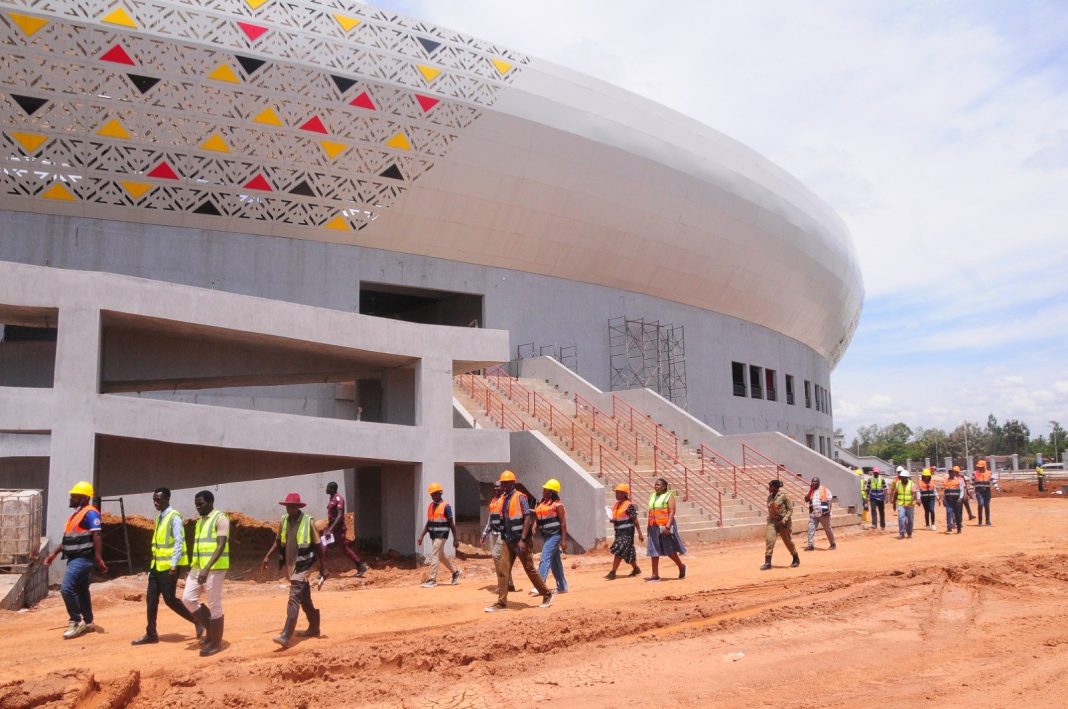

Uganda’s Akii-Bua Olympic Stadium in Lira has reached 82% completion, lawmakers said after inspecting the facility as the country prepares to co-host the 2027 Africa Cup of Nations.
The 20,000-seat stadium is being built by Egyptian contractor SAMCO and is one of the major sports infrastructure projects being developed ahead of the tournament.
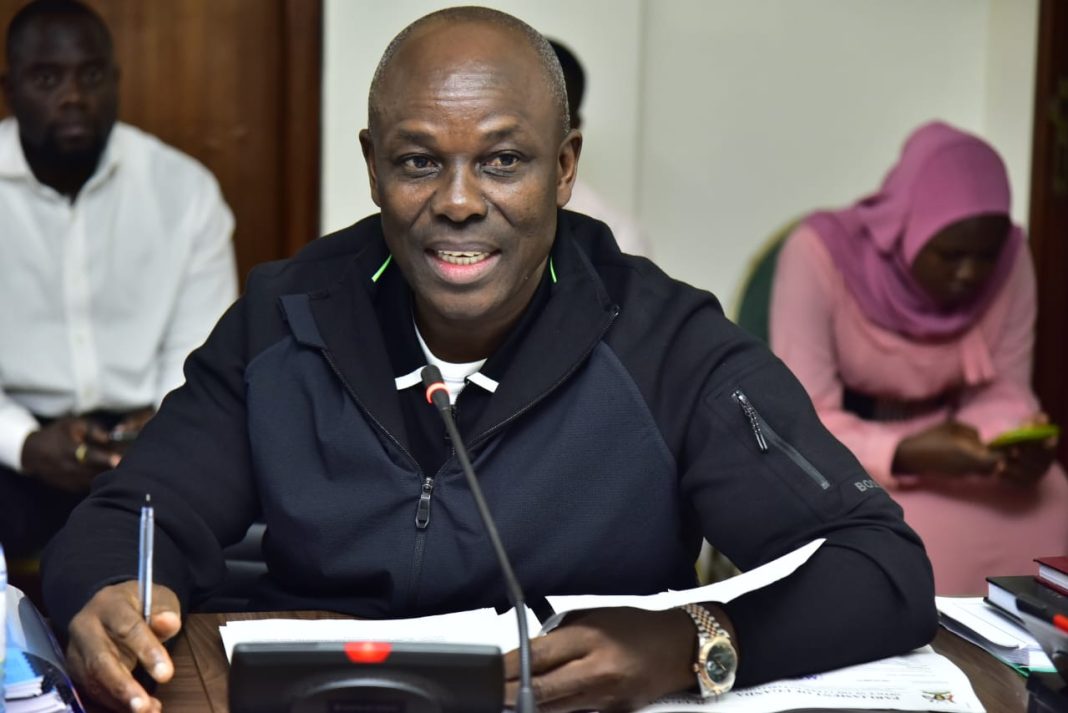
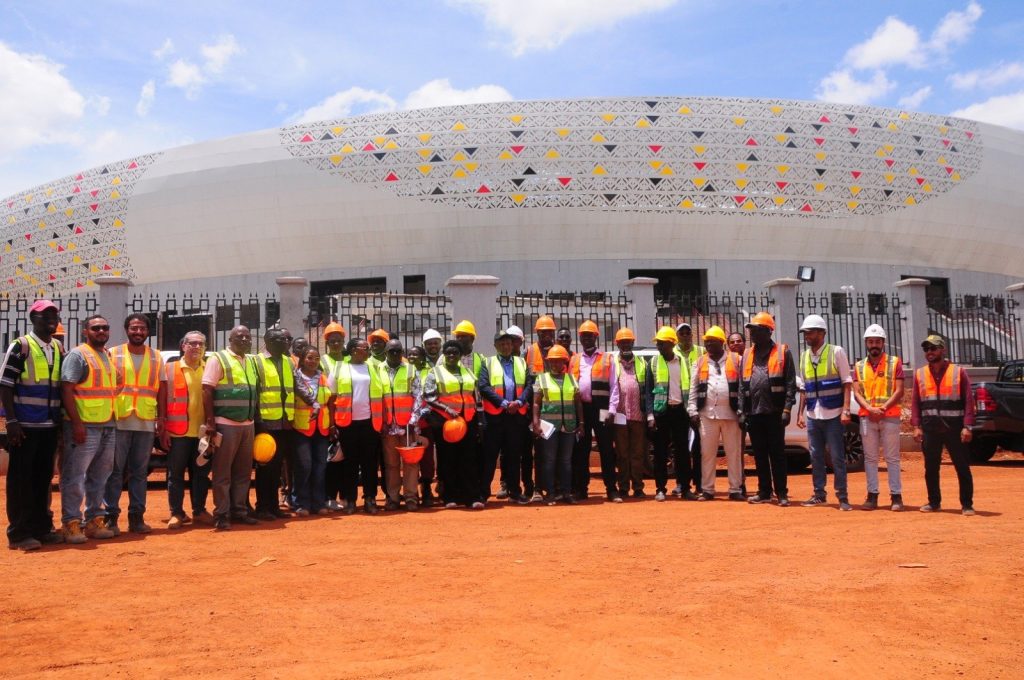
Members of Parliament’s Committee on Education and Sports, led by Vice Chairman Emmanuel Ongiertho, toured the facility and inspected its main stadium, training grounds and other supporting facilities.
The complex includes a football pitch and running track, an additional training pitch, two five-a-side artificial-turf pitches, changing rooms, a clubhouse, a 60-bed hostel, an indoor arena, swimming facilities and parking.
The stadium is named after John Akii-Bua, Uganda’s Olympic champion who won the 400 metres hurdles gold medal at the 1972 Munich Olympics in a world-record time.
Parliamentarians welcomed the progress but urged the National Council of Sports to ensure the facility remains operational and financially sustainable after AFCON 2027.
They also raised concerns over the slower progress of some training facilities expected to support the stadium, including Pece Stadium in Lira and the Gulu University training ground.
The UPDF Engineering Brigade told the committee that the facilities, which started later and have faced construction challenges, would be completed within their respective timelines.
The inspection followed a visit by the committee to the National High Altitude Training Centre in Teryet, Kapchorwa.
The lawmakers are continuing their assessment of sports facilities, with inspections scheduled for the King George Stadium training ground in Masindi, Sir Tito Winy and Hoima Boma grounds before a visit to the completed Hoima City Stadium.
Uganda, Kenya and Tanzania are jointly hosting AFCON 2027, with preparations including the construction and upgrading of stadiums, training grounds and related infrastructure.
For Lira, the completion of Akii-Bua Stadium is expected to add a major sporting facility to northern Uganda, while its long-term use will depend on maintenance, programming and commercial activities beyond the tournament.