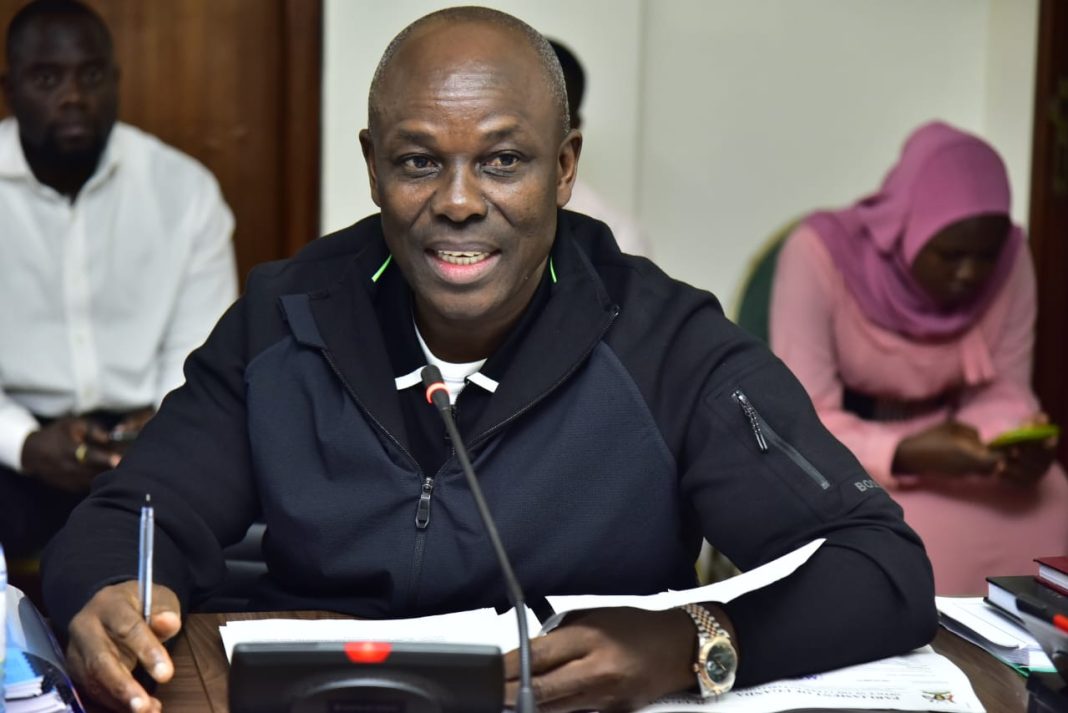

Businessman Hassan Basajjabalaba has told Parliament’s Committee on Commissions, Statutory Authorities and State Enterprises (COSASE) that he is seeking compensation from the government over the cancellation of a deal that would have allowed his company to redevelop Kampala’s City Square.
Basajjabalaba told the committee that his company won the tender in 2001 and paid Shs1.635 billion to the then Kampala City Council (KCC) as a premium for the proposed development.
He said the plan was designed to retain the square’s green space while putting commercial activities below ground, allowing the public space to remain accessible.
Under the arrangement, he said, the company was to receive a five-year lease beginning in 2002, with an option for a further 49 years.
The deal was subsequently halted after government intervention, becoming part of a wider series of compensation claims by Basajjabalaba and companies associated with him over cancelled arrangements involving several Kampala properties.
Basajjabalaba questions fresh City Square proposal
Basajjabalaba said he was surprised when he saw a recent letter from President Yoweri Museveni directing the Minister for Kampala, Minsa Kabanda, to study a proposal to redevelop City Square.
Museveni’s August 30 letter followed a proposal from businessman Hassan Bulwadda to transform about two acres of City Square into an eco-friendly commercial complex featuring a hotel, shopping mall and other facilities powered by solar energy. The President instructed Kabanda to consult Kampala Capital City Authority (KCCA) and report back.
The presidential directive, however, did not amount to an allocation of the land. Deputy Presidential Press Secretary Faruk Kirunda said the President was seeking an assessment and had not decided to hand the property to an investor.
Basajjabalaba told COSASE that the development proposal had raised questions about competing claims over the same property.
He said he was waiting to see whether the government would effectively give the property to another developer while his own claim over the cancelled arrangement remained unresolved.
A dispute dating back 25 years
The City Square dispute dates back to 2001, when KCC sought to enter into an arrangement with Basajjabalaba’s Yudaya International Ltd for redevelopment of the square.
Court records show that the then Minister of Local Government intervened and stopped the arrangement, while a commission of inquiry was established to examine the proposed redevelopment. The inquiry recommended against the contractual arrangement, and the project was subsequently aborted.
Contemporary and subsequent accounts have differed over the precise amounts paid and the contractual details. A New Vision report, for example, previously reported a Shs250 million premium for the former City Square, while more recent accounts have cited different figures and entities involved in the wider contractual arrangements.
The broader compensation dispute eventually became the subject of constitutional litigation. A 2025 Supreme Court decision records that between 2000 and 2011, companies associated with Basajjabalaba entered into contracts and leases with KCC involving several properties, including Nakasero, Nakivubo, Nakawa and the former Constitutional Square. Those arrangements were later terminated, leading to compensation claims and disputes over government-backed financing.
COSASE seeks answers
During the hearing, COSASE Chairperson Muwada Nkunyingi questioned the circumstances under which Basajjabalaba acquired interests in the City Square property.
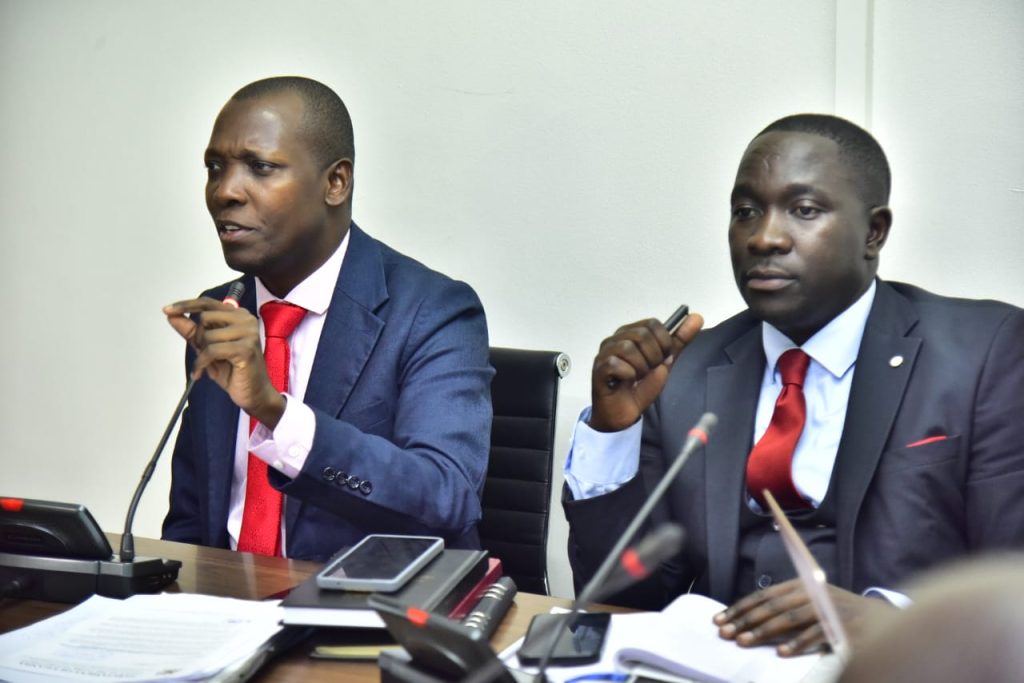
The questioning comes as the committee examines a broader dispute involving Basajjabalaba’s Haba Group and a Shs140 billion Bank of Uganda guarantee. Parliament summoned him earlier this month to explain the circumstances surrounding the guarantee and the roles of Haba Group, the central bank and other parties.
The City Square issue adds another layer to the committee’s examination because the property has remained at the centre of competing public and private interests for more than two decades.
Recent reporting indicates that Kampala authorities and political leaders have also raised concerns about commercialising the square, citing its role as public open space and, according to some officials, as an emergency assembly area in the central business district.
For now, the President’s directive remains at the study and consultation stage, with no publicly confirmed allocation of City Square to Bulwadda or any other developer.
Basajjabalaba, meanwhile, has signalled that he intends to challenge any attempt to award the property to another developer while his claim over the earlier cancelled arrangement remains unresolved.