
Lira City’s emerging sports hub is expected to drive demand for accommodation, hospitality and other businesses as Uganda prepares to host major international sporting events.
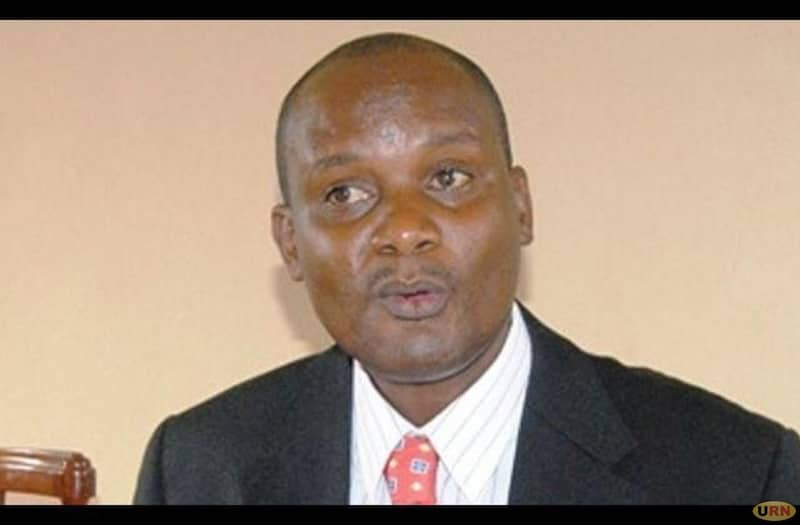
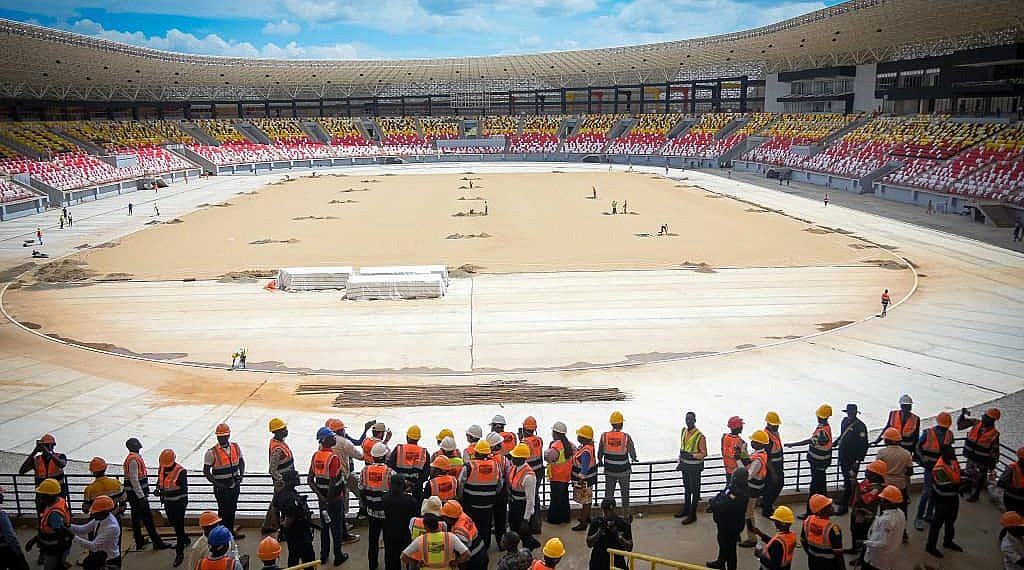
Minister of State for Education and Sports Peter Ogwang has urged private investors to move quickly and establish quality four- and five-star hotels in Lira City as construction of the Akii-Bua Olympic Stadium reaches 80 percent completion.
Ogwang said the growing sports infrastructure in the city presents a major commercial opportunity for the hospitality industry, particularly with Uganda preparing to host major international sporting competitions.
The minister made the call after inspecting the ongoing construction of the Akii-Bua Olympic Stadium and the Lira University Training Pitch alongside Minister for Disaster Preparedness and Refugees Sam Engola and Lira City and district leaders.
“I call upon private investors to take advantage of the opportunities in Lira by investing in quality four- and five-star hotels to supplement the sports infrastructure,” Ogwang said.
Akii-Bua Stadium reaches 80 percent
According to Ogwang, construction of the 20,000-seater Akii-Bua Olympic Stadium is progressing ahead of schedule, with overall works now estimated at about 80 percent.
The project includes the main stadium, an indoor arena, swimming pool, clubhouse, hostel, tennis courts and training pitches, creating a broader sports complex rather than a standalone football stadium.
“I am pleased to report that works at Akii-Bua are ahead of schedule, with overall progress now at about 80 percent,” Ogwang said.
Once completed, the facility is expected to significantly expand Lira’s capacity to host major sporting events while creating demand for accommodation, restaurants, transport, entertainment and other services.
Hospitality gap creates investment opportunity
Ogwang’s appeal comes as Uganda positions itself to host major continental football events, including the 2027 Africa Cup of Nations (AFCON).
For Lira, the stadium could bring athletes, technical teams, officials, supporters, journalists and other visitors into the city, potentially creating a sustained market for quality accommodation.
The minister therefore urged the private sector to invest ahead of the expected increase in visitor numbers rather than wait until major events arrive.
The investment opportunity, he said, should complement the public investment already being made in sports infrastructure.
Government working with CAF on standards
Ogwang also said the Government is working with the Confederation of African Football (CAF) to ensure that the facilities being developed meet the standards required for international competitions.
“Government is working closely with CAF to ensure that the facilities meet the required standards,” he said.
Meeting international standards would strengthen Lira’s prospects of attracting high-level sporting events and the economic activity that comes with them.
The stadium is one of Uganda’s flagship sports infrastructure projects and is expected to play a role in transforming Lira’s sporting profile while supporting wider urban economic activity.
Beyond football
The scale of the Akii-Bua project means its potential impact extends beyond match days.
The indoor arena, swimming pool, tennis courts, training pitches and other facilities could allow Lira to host different sporting disciplines, tournaments, training camps and other events throughout the year.
That could provide a more consistent customer base for hotels and hospitality businesses while supporting jobs and new opportunities for local enterprises.
Ogwang reiterated the Government’s commitment to expanding modern sports infrastructure across the country.
“The Government of Uganda remains committed to delivering world-class sports infrastructure for Uganda,” he said.