
Uganda’s Ministry of Finance, Planning and Economic Development (MoFPED) has called for a fundamental change in the way government plans and manages public investments as it reviews progress under the $200 million Public Investment Management PLUS (PIM PLUS) operation.
The call was made during the second meeting of the PIM PLUS Operations Technical Committee (OTC), which brought together officials to assess progress on agreed Disbursement Linked Indicators (DLIs) and review implementation challenges and lessons from the first year of the operation.
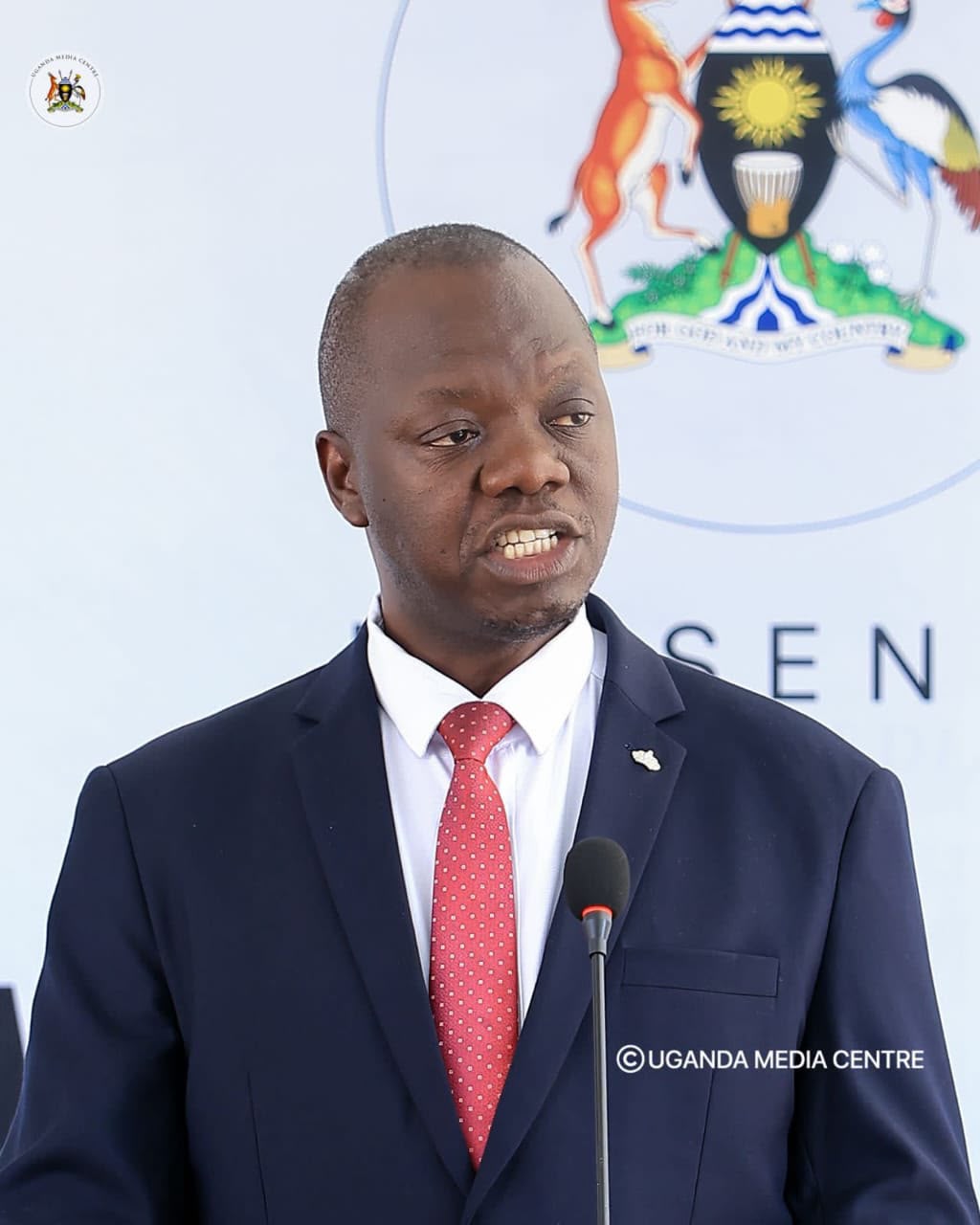
The meeting was chaired by Hannington Ashaba, MoFPED’s Director of Budget, who said the reforms will only deliver their intended results if government institutions change how they conduct business.
“This is PIM PLUS, we must do things differently,” Ashaba told OTC members.
He said the operation is expected to address persistent bottlenecks in the public investment system while improving the efficiency and effectiveness of public investment and asset management.
Ashaba cautioned that achieving the objectives of PIM PLUS will require more than increasing the number of activities undertaken by government institutions.
“We all agree that this Operation requires more than intensifying activities—it requires a significant change in mindset from how government has traditionally been doing business,” he said.
The meeting focused on progress towards the Disbursement-Linked Results (DLRs) for the first year, with Ashaba commending committee members for their commitment to delivering the agreed results.
PIM PLUS is a $200 million World Bank-funded operation and one of the flagship reforms under Uganda’s Public Financial Management strategy. It is intended to strengthen public investment and asset management across government.
The operation supports the implementation of the Fourth National Development Plan (NDP IV) and the Tenfold Growth Strategy by improving the way public projects are prepared, budgeted for, implemented and maintained.
The reforms are intended to help government improve the value generated from public expenditure by strengthening project preparation and execution while ensuring that completed investments and public assets are properly maintained.
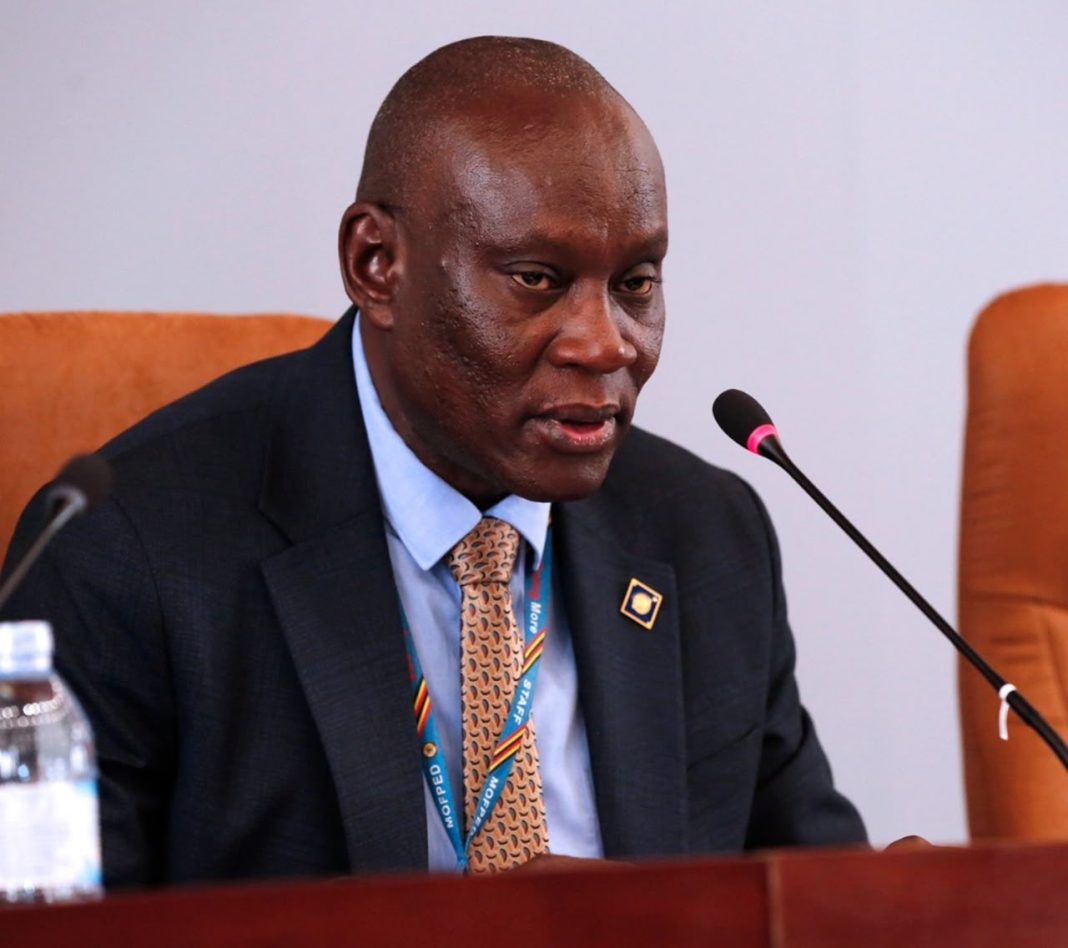
Gertrude Basiima, Acting Commissioner for Project Analysis and Public Investment, commended OTC members for their continued efforts towards achieving the agreed DLIs.
She, however, urged implementing agencies to maintain focus on the timelines attached to the reforms and ensure that commitments are delivered within the agreed frameworks.
The emphasis on timelines comes as PIM PLUS moves from planning and institutional reform towards demonstrating measurable results. Meeting the agreed indicators will be critical to sustaining momentum under the World Bank-supported operation.
At the centre of the programme is an effort to make Uganda’s public investment system more effective—from the initial identification and preparation of projects to budgeting, implementation and the long-term management of assets.
The latest OTC review therefore places emphasis not only on what government institutions are doing, but also on whether the reforms are changing the systems and practices that have historically slowed public investment delivery.