
The Health Ministry says CHEWs are meant to connect households with health facilities, not replace trained healthcare professionals.
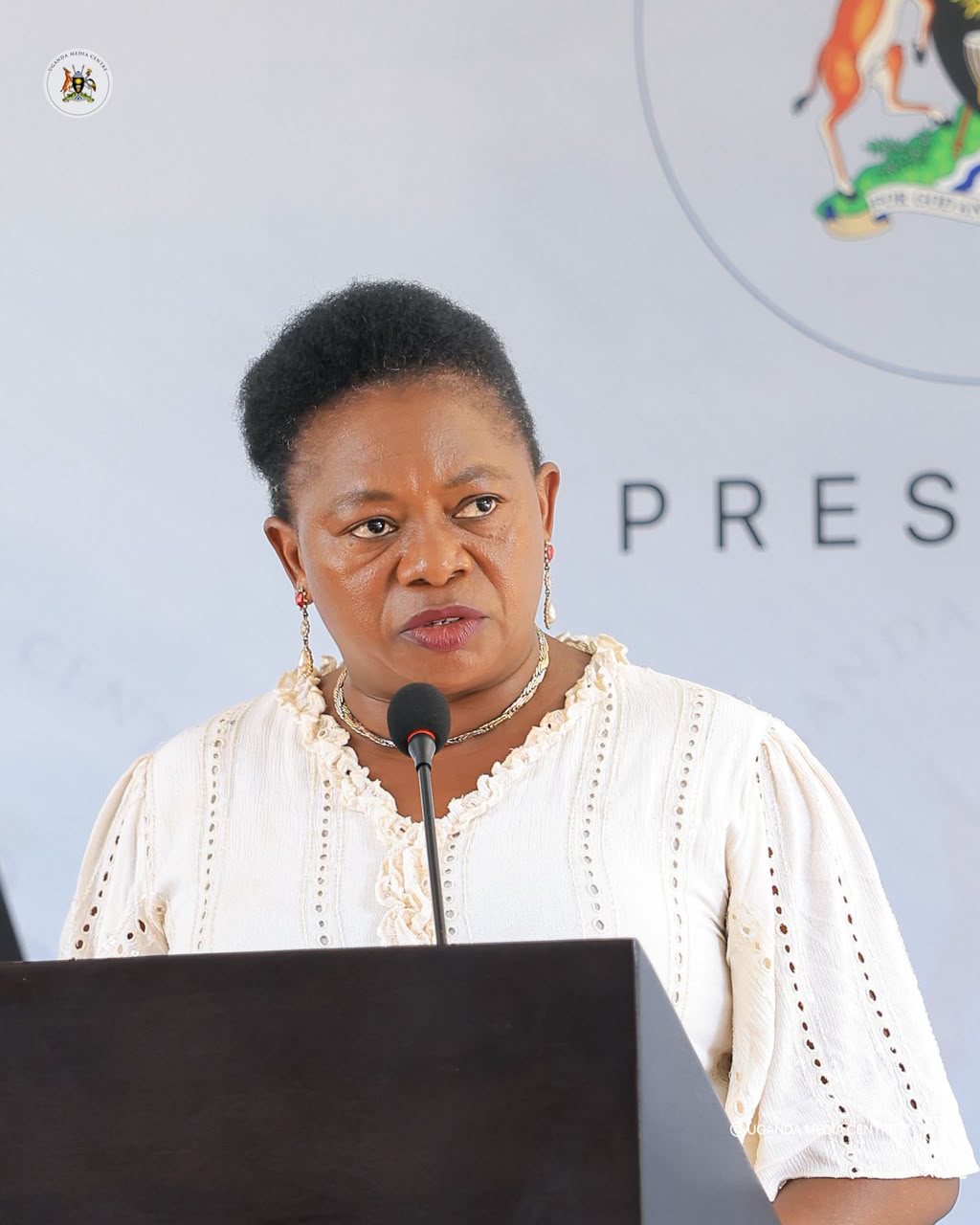
Permanent Secretary in the Ministry of Health Diana Atwine has warned health workers against shifting their responsibilities to Community Health Extension Workers (CHEWs), stressing that the new cadre must operate within the limits of its training.
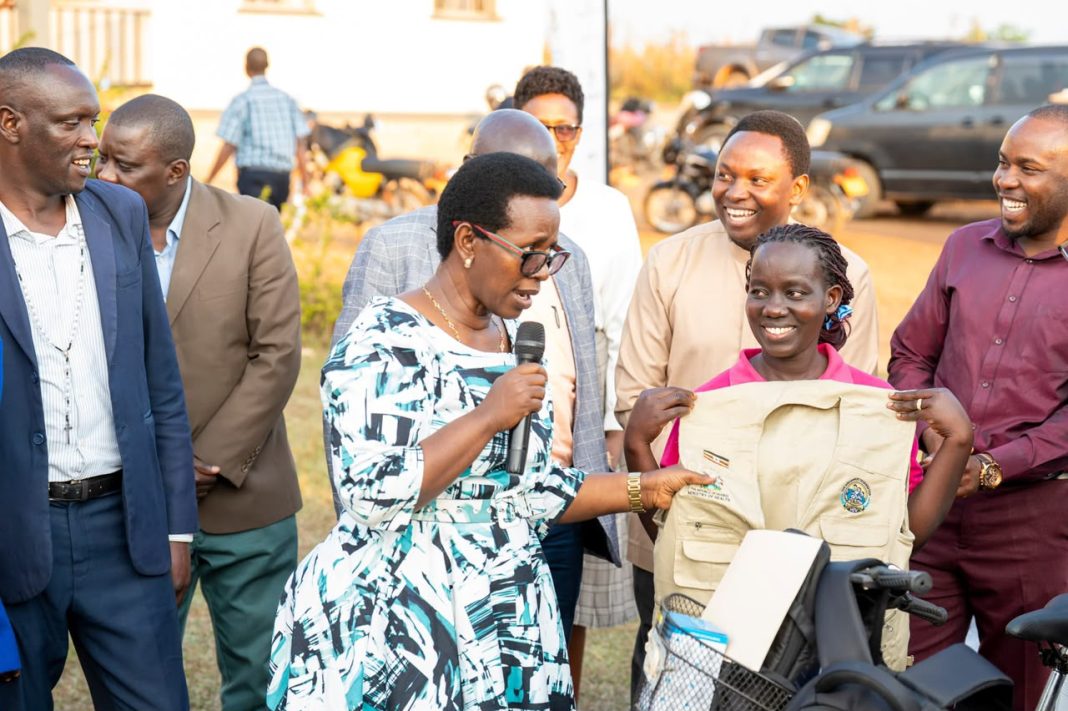
Atwine issued the warning during the commissioning of CHEWs in Kalungu District, where she was joined by the Permanent Secretaries of the ministries responsible for Gender and Education.
She said CHEWs will play an important role in strengthening community-level healthcare through disease prevention, health education, community surveillance, early identification of illness and timely referral.
“CHEWs are critical to disease prevention, health education, community surveillance, early identification of illness and timely referral,” Atwine said.
She, however, cautioned the newly commissioned workers against taking on duties beyond their defined mandate.
“We reminded them that they are a link between households and the health system, not the destination or healthcare provider,” she said.
Atwine’s message also targeted qualified health workers, whom she accused of sometimes abandoning their responsibilities and leaving them to less-qualified personnel.
She compared the practice to situations where some health workers leave responsibilities to interns, warning that professional accountability must remain with those entrusted with delivering healthcare services.
“CHEWs must work within their defined mandate, while qualified health workers must remain accountable for the services entrusted to them,” Atwine said.
CHEWs to strengthen community healthcare
The government expects CHEWs to serve as a frontline link between households and Uganda’s health system, helping communities identify health problems early and seek appropriate care.
Their responsibilities are largely focused on prevention, health education, surveillance, early identification and referral rather than replacing clinical services provided by trained health professionals.
The distinction is important as Uganda expands community-based healthcare. While CHEWs can help detect health problems and guide people towards appropriate services, they are not intended to become substitutes for nurses, midwives, clinical officers, doctors or other qualified health professionals.
Atwine’s warning therefore places responsibility on both sides: CHEWs must remain within their scope of practice, while qualified health workers must continue to perform the duties assigned to them.
The Ministry says the effectiveness of the CHEW programme will depend on maintaining this division of responsibility while ensuring that communities receive timely and appropriate healthcare.