
The Bank of Uganda’s October 1 deadline for large Savings and Credit Cooperative Organisations (SACCOs) is approaching with uncertainty still surrounding institutions that have started the licensing process but have not yet secured licences.
The central bank had warned that large SACCOs that fail to obtain the required licences by October 1 could lose access to the commercial banking system, including bank accounts, deposits and mobile-money transactions.
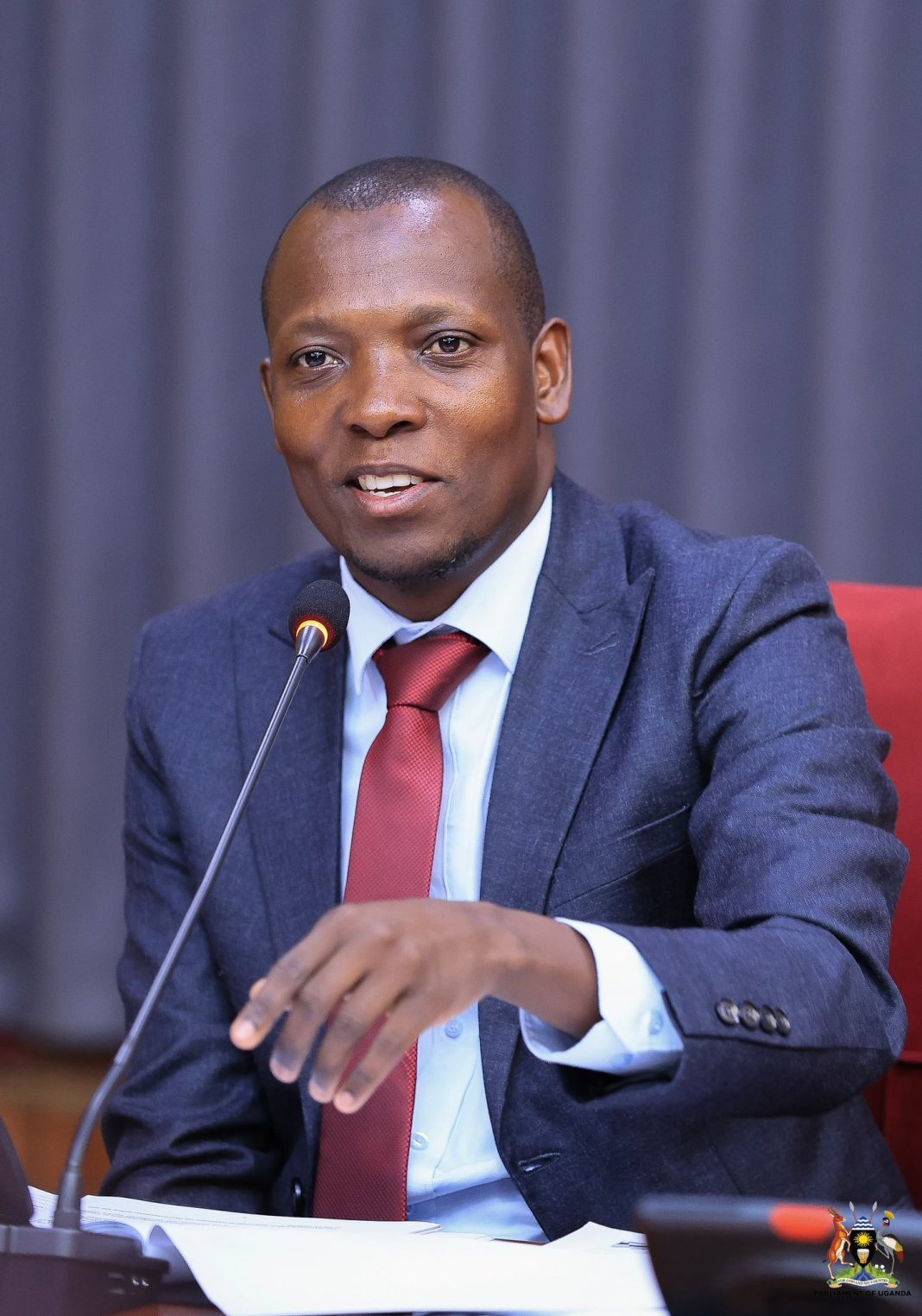
But a September 23 meeting chaired by Speaker of Parliament Jacob Marksons Oboth introduced a phased approach that could give unlicensed SACCOs additional time to regularise their operations.
Under the arrangement, large SACCOs were directed to pick licensing application forms within seven days and demonstrate genuine efforts towards compliance, with March 31, 2027 proposed as the deadline for completing the process. Parliament also called for changes to the legal framework governing SACCO regulation.
The question now is whether SACCOs that have entered that process will still face the October 1 restrictions.
Phased compliance does not automatically mean a licence
The distinction between applying for a licence and actually holding one is at the centre of the dispute.
Speaker Oboth’s September 23 intervention created a roadmap for SACCOs to move towards compliance, but the parliamentary account of the meeting does not state that picking an application form automatically exempts a SACCO from Bank of Uganda enforcement.
Governor Michael Atingi-Ego, according to Parliament, maintained that any extension must be accompanied by concrete action from SACCOs and that the central bank’s regulatory position remains in force.
That leaves SACCOs that have begun the application process in a potentially different position from institutions that have taken no steps towards compliance—but it does not, on the information publicly available, amount to a blanket suspension of the October 1 requirement.
What the law provides
The regulatory framework includes the Microfinance Deposit-Taking Institutions Act, 2003, the Microfinance Deposit-Taking Institutions (Registered Societies) Regulations, 2023, and the Tier 4 Microfinance Institutions and Money Lenders Act, 2016.
The 2023 regulations introduced a specific regulatory framework for large registered societies. They apply to registered societies providing financial services to members where voluntary savings exceed Shs1.5 billion and institutional capital exceeds Shs500 million.
The regulations provide for licensing and supervision of institutions falling within the framework, effectively bringing large SACCOs under closer regulatory oversight.
The Tier 4 Act also establishes licensing requirements for SACCO financial-services operations and provides for circumstances involving societies that have applied for licences.
This legal framework is important because the September 23 parliamentary agreement was a compliance roadmap, while changes to the underlying law would require the appropriate legislative process.
Why the October 1 deadline matters
The dispute comes as the government seeks to tighten supervision of SACCOs whose growing size means that they hold substantial amounts of members’ savings.
Bank of Uganda has argued that licensing is necessary to strengthen governance, financial controls, liquidity management and protection of members’ funds.
The central bank has also raised concerns about financial-sector supervision and Uganda’s international obligations relating to anti-money-laundering and combating the financing of terrorism.
SACCO leaders, however, have raised concerns about overlapping regulatory requirements and called for a harmonised framework that recognises the distinctive nature of cooperative financial institutions.
About 99 large SACCOs affected
The regulatory push is focused particularly on large SACCOs that fall within the thresholds established under the new framework.
The scale of the transition has made the October deadline significant for thousands of SACCO members whose institutions depend on commercial banks and mobile-money networks to receive, transfer and manage funds.
The immediate issue is therefore not simply whether a SACCO has collected an application form.
It is whether Bank of Uganda will regard a SACCO that has formally entered the licensing process and is demonstrating genuine compliance efforts as sufficiently regularised to continue accessing the financial system while its application is being processed.
Parliament seeks legal changes
Speaker Oboth has directed the Ministry of Finance to begin work on amendments aimed at harmonising the legal framework governing SACCOs.
The move is intended to address concerns over regulatory overlaps and provide a clearer framework for supervision of the sector.
However, a proposed amendment does not immediately change the law.
Until Parliament passes and the relevant authorities implement any amendments, the existing statutory and regulatory framework remains applicable.
BoU clarification now critical
The September 23 agreement therefore creates a transition pathway, but it leaves an important operational question unresolved.
A SACCO that has picked its application forms, submitted documentation and is actively working towards licensing may be making the “genuine efforts” demanded by the phased-compliance arrangement. But whether that status protects it from the October 1 banking and mobile-money restrictions must be determined through BoU’s implementation of the arrangement.
For SACCOs and their members, the distinction is critical.
Being in the licensing process is not necessarily the same as being licensed.
Unless Bank of Uganda formally clarifies that SACCOs participating in the phased-compliance programme can continue accessing commercial banks and payment platforms while their applications are processed, the October 1 deadline remains a significant regulatory point.
The coming days are therefore likely to determine whether the September 23 compromise becomes a practical transition for large SACCOs—or whether institutions without licences will still face restrictions despite having begun the journey towards compliance.