
Subheadline: Government says unlicensed boats will be removed from Uganda’s water bodies after the deadline as new regulations seek to rebuild declining fish stocks and curb illegal fishing.
The Government has given fishers until September 15, 2026, to obtain fishing licences, warning that enforcement will begin immediately after the deadline with the removal of unlicensed boats from Uganda’s water bodies.
The deadline is part of a wider overhaul of fisheries management following the enactment of the Fisheries and Aquaculture Act, 2023, as the Government seeks to tackle declining fish stocks, excessive fishing capacity, illegal fishing gear and the harvesting of immature fish.
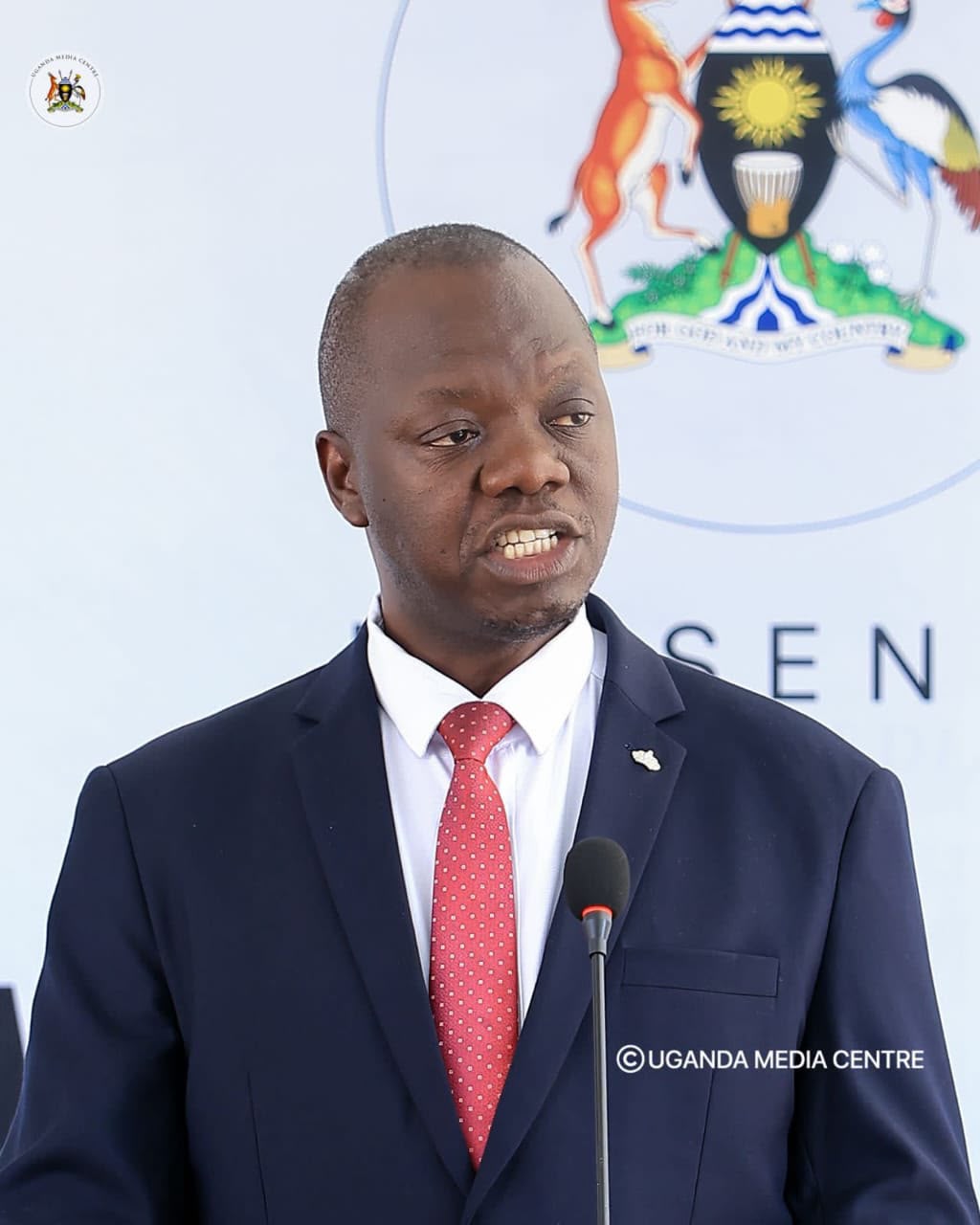
Minister of State for Fisheries Robert Migade Ndugwa said the new regulatory framework is intended to bring fishing activities within sustainable limits while protecting Uganda’s fisheries resources.
“I call upon all the fishers to apply for licenses before the 15th of September 2026 because after that date, enforcement to reduce fishing capacity (removal of boats that are not licensed) will start,” Ndugwa said.
Government moves to control fishing capacity
Under the Fish (Fishing Capacity Management) Regulations, 2026, the Government will regulate the number and size of boats permitted on individual water bodies, establish licensing procedures and impose penalties for non-compliance.
The regulations will also determine the types and sizes of fishing gear permitted for different fish species and water bodies.
Licences will be species-specific, meaning a licence to fish Nile perch will be different from one issued for Nile tilapia. Each fishing activity will therefore require its own licence.
The licences will also be non-transferable and non-shareable, according to Ndugwa.
For small pelagic fish such as silver fish, the regulations provide for harvesting with scoop nets and lift nets during the dark phase of the moon and at least two kilometres from the shoreline. Fishing for silver fish will also be restricted to designated landing sites.
The Government says these measures are aimed at preventing excessive fishing pressure and allowing depleted fish stocks to recover.
Uganda targets higher fish production
The Government says Uganda has substantial potential to expand its fisheries sector, with about 18% of the country’s surface area—approximately 43,479 square kilometres—covered by open freshwater and swamps.
Uganda currently produces an estimated 750,000 metric tonnes of fish annually, including about 65,000 metric tonnes from aquaculture.
The national ambition is to raise production to approximately 1.7 million metric tonnes, with aquaculture expected to contribute up to one million tonnes.
However, officials say achieving that target will require stronger controls over fishing activities and greater protection of breeding grounds.
Illegal fishing threatens stocks
The Ministry of Fisheries has identified unlicensed fishing, increasing numbers of fishers and boats, illegal fishing gear and the use of monofilament nets among the major challenges facing the sector.
Other concerns include excessive use of lights when harvesting small pelagic fish, improper fishing methods, weaknesses in fish landing committees and fishing in breeding and nursery grounds.
According to the ministry, these practices have contributed to declining fish production and productivity, leaving fish processing plants with inadequate supplies and reducing potential foreign exchange earnings.
The Government also says the quantity of fish available for domestic consumption has become inadequate.
Ndugwa said enforcement will be intensified against traders dealing in immature fish, as well as importers and distributors of illegal fishing equipment.
Nine regulations introduced
The fishing reforms are being implemented through a broader package of nine regulations.
The Closed Fishing Regulations, 2026 provide for temporary and spatial closure of fishing activities based on scientific research, while the Protection of Fish Breeding Areas Regulations, 2026 provide for the identification, demarcation and protection of breeding grounds.
Other regulations cover quality assurance, aquaculture, fish maw, co-management, and the stocking and restocking of natural water bodies.
The Quality Assurance Regulations, 2026 are intended to strengthen the safety of fish and fish products for human consumption, while the Aquaculture Regulations, 2026 provide a framework for managing and developing fish farming.
The Fish (Co-management) Regulations, 2026 will establish rules governing fish landing committees, including their composition, responsibilities and operations.
The Government also plans to establish a Monitoring, Control and Surveillance Unit within the ministry to strengthen enforcement and compliance.
Government seeks wider support
Beyond enforcement, the ministry says it will improve post-harvest handling, fish processing and marketing, promote higher-value fish products and develop species-specific management plans.
Ndugwa called on local governments, civil society organisations, private-sector players and the public to support implementation of the new rules.
“I call upon the public, the Local Government Authorities, Civil Society Organizations and the Private Sector to support us to ensure that we conserve the fish of this country for generations to come,” he said.
The September 15 deadline now gives fishers a clear window to regularise their operations before enforcement begins.
The Government says the ultimate goal is not only to remove illegal boats and fishing gear, but to rebuild fish stocks and create a sustainable fisheries sector capable of supporting livelihoods, food security, processing industries and economic activity for future generations.