
The Government is taking its land-awareness campaign to the Rwenzori sub-region from August 24 to 29, 2026, seeking to confront persistent land conflicts, alleged land grabbing, weak documentation of customary land and mounting pressure on natural resources.
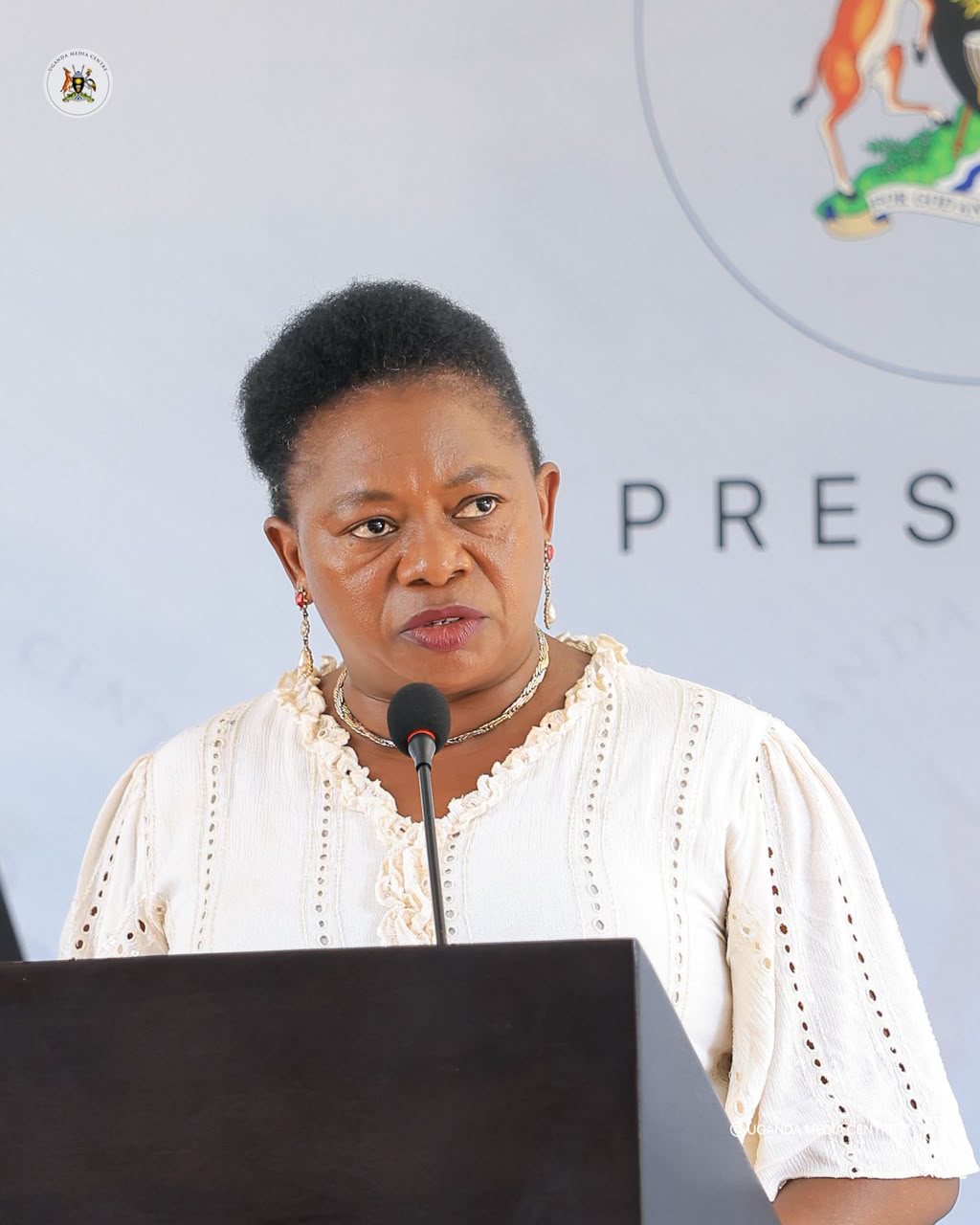
The Land Awareness Week, announced by Minister of State for Lands Harriet Ntabazi, will bring government agencies, cultural and religious leaders, civil society organisations and private-sector actors closer to communities to address some of the region’s most persistent land-governance challenges.
The campaign comes as the Rwenzori continues to face disputes over land ownership and boundaries, unregistered customary land, allegations of land grabbing, environmental degradation and encroachment around national parks.
The Ministry has also identified human-wildlife conflict, limited knowledge of land rights and responsibilities, landslides, land degradation, displacement of indigenous communities and landlessness associated with natural disasters among the challenges affecting the region.
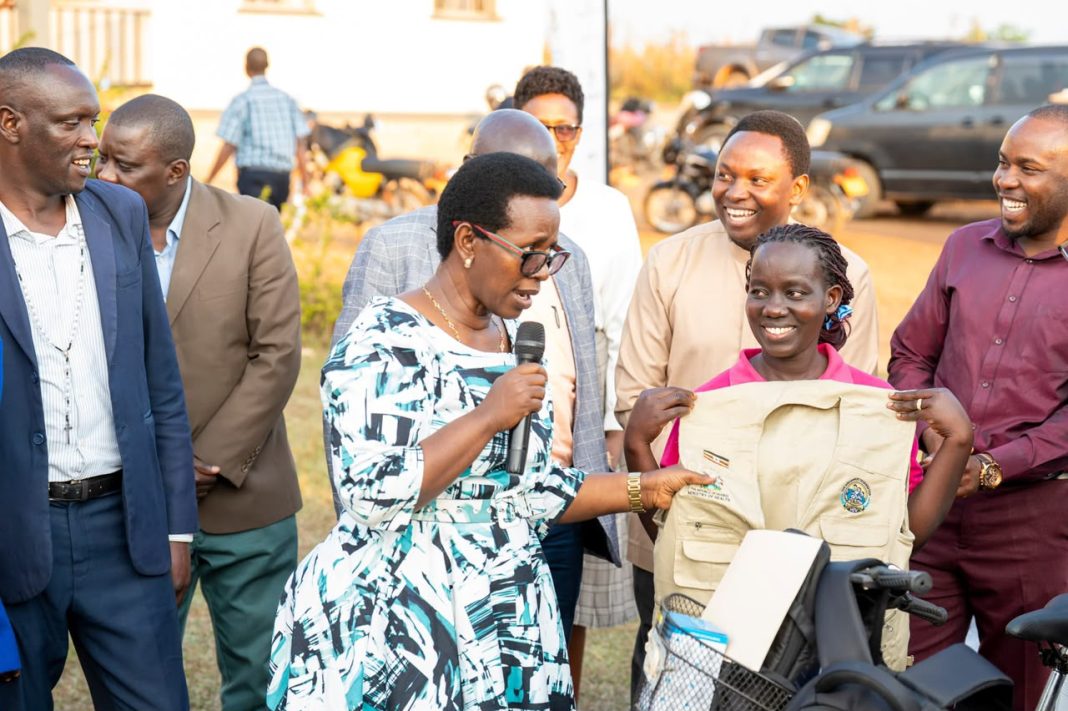
Ntabazi said the awareness week is intended to bridge the gap between communities and institutions responsible for land administration by giving residents an opportunity to raise concerns and obtain legal, technical and practical guidance.
The minister’s intervention comes at a time when population pressure and continued fragmentation of land are making disputes and competing demands over land increasingly difficult to manage.
Government takes legal services to communities
Rather than requiring residents to travel to government offices to pursue land-related complaints, the Ministry plans to deploy mobile legal clinics during the awareness week.
The clinics will provide free guidance on matters including land acquisition, succession, compensation and alternative dispute-resolution mechanisms.
Farmers and families will also be able to present land-related cases and receive advice on possible avenues for resolving them.
The Ministry plans to use the Land Economic Competitiveness Programme (LECP) to sensitise landowners about the importance of land registration and guide them through the process of obtaining formal documentation.
This is particularly important for communities relying on customary tenure, where the absence of documentation can leave families vulnerable to disputes over ownership, boundaries and inheritance.
The programme will therefore seek to turn awareness into practical action by helping residents understand both their rights and the procedures available to secure those rights.
Traditional leaders to play central role
Cultural institutions will form an important part of the campaign.
Leaders representing the Bakonzo, Bamba, Bayabindi, Basongora and Batwa communities are expected to participate alongside religious leaders, government agencies and private-sector actors.
Their involvement is intended to ensure that discussions on land governance reflect the realities of communities whose livelihoods, cultural identity and traditions remain closely tied to land.
The Ministry is also seeking broader engagement with local leaders to improve the identification and resolution of land problems before they escalate into prolonged disputes.
Radio to extend reach
The physical community engagements will be supplemented by radio talk shows, giving residents who cannot attend meetings an opportunity to access information and raise questions.
District Resident District Commissioners have been requested, through the Ministry of ICT and National Guidance, to facilitate government airtime for the broadcasts.
The radio engagements are expected to focus on land rights and responsibilities, registration, dispute resolution and the services available to communities.
The Government hopes the campaign will improve public understanding of Uganda’s land laws and policies while encouraging more landowners to pursue formal documentation.
Land, conservation and displacement
The Rwenzori’s land challenges extend beyond disputes between individual landowners.
The region’s proximity to protected areas has created tensions involving human-wildlife conflict, conservation and access to land and natural resources. Landslides and other natural disasters have also contributed to displacement and landlessness.
At the same time, land degradation and pressure caused by population growth and fragmentation are placing additional demands on already limited land resources.
These challenges make land governance particularly important in the Rwenzori, where questions of ownership intersect with agriculture, housing, conservation, cultural identity and livelihoods.
The Government expects the awareness week to contribute to improved service delivery and accountability by both local and central government, while providing authorities with a clearer understanding of grassroots land and housing concerns.
For Ntabazi, addressing the region’s land problems will require participation from government, traditional institutions, communities and other stakeholders.
“Together, we can address our land challenges in the Rwenzori and secure a better future for all Ugandans,” Ntabazi said.
The week will ultimately test whether greater access to information and legal services can translate into fewer disputes, better documentation of customary land and stronger protection of communities and natural resources.
The Rwenzori Land Awareness Week will run from August 24 to 29, 2026.