
Kenya has changed the way mobile short codes are allocated, allowing newly assigned codes to be linked to services rather than individual mobile operators, a move that could simplify access to USSD and SMS services across networks.
Under the new framework announced by the Communications Authority of Kenya on Sept. 8, businesses such as banks, schools, broadcasters and fintech firms can use a single short code across mobile networks instead of maintaining separate codes for customers on different operators.
The regulator said the framework applies to newly assigned codes, while existing codes will continue under their current arrangements until they expire.
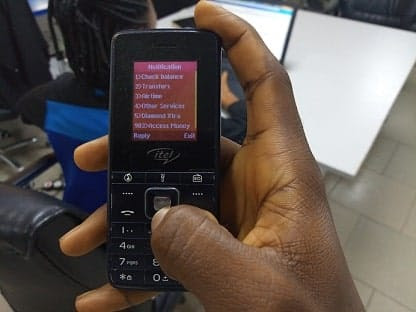
The change could reduce technical and commercial barriers for companies offering mobile-based services, particularly those relying on USSD, which remains widely used in East Africa because it does not require smartphones or mobile data.
Content service providers will also be able to apply directly to the regulator for short codes, including bulk allocations that they can later assign to customers.
The move comes as East African regulators review numbering systems to accommodate rapid growth in digital services.
Uganda and Tanzania already have regulatory frameworks covering short codes for USSD and value-added services, although numbering remains largely organised within national markets.
For regional technology companies, greater harmonisation could eventually make it easier to scale services across East Africa. But differences in licensing, network integration, pricing and consumer-protection rules mean a common regional numbering system remains a longer-term prospect.
Kenya’s reform therefore goes beyond simplifying a few digits for consumers. It reflects a broader shift toward treating mobile access as part of a digital service rather than something tied primarily to the network carrying it.