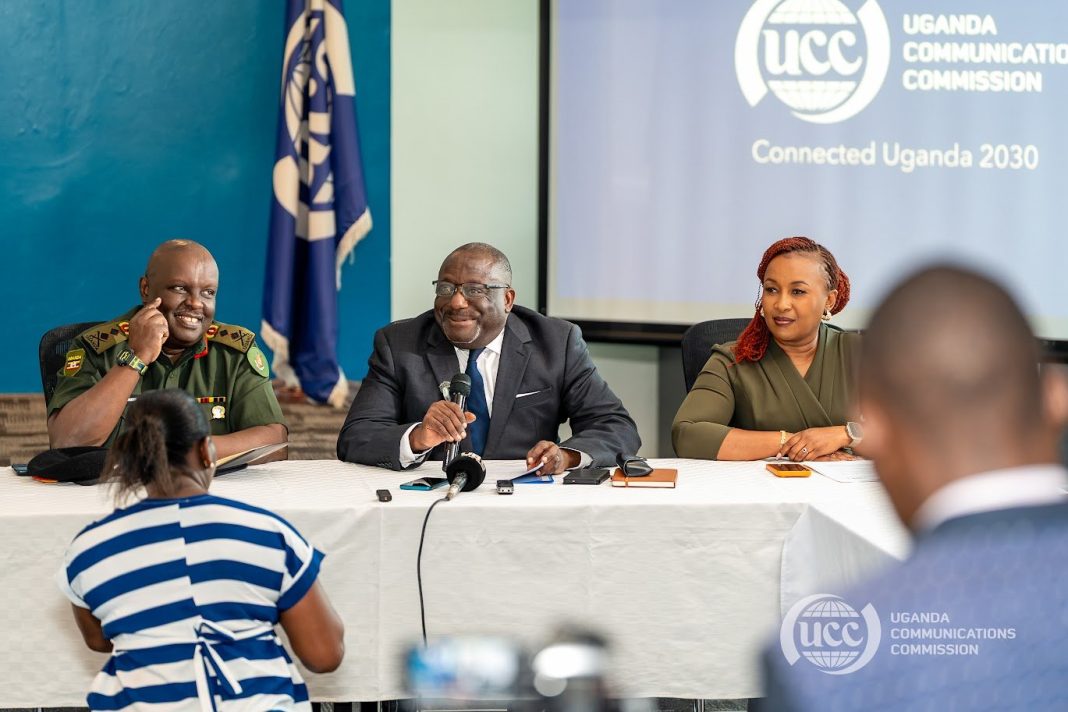

Government has launched a new National Communication Policy aimed at improving public access to government information, coordinating official messaging across state institutions and strengthening communication through digital platforms.
The National Communication Policy 2026, adopted by Cabinet on March 9, requires ministries, government agencies, local governments and Uganda’s diplomatic missions abroad to integrate communication into the planning, implementation and evaluation of their programmes and projects.
The policy seeks to improve public understanding of government programmes, make information and public services more accessible, and encourage citizens to participate in decisions affecting their lives.
President Yoweri Museveni, who called for clear and consistent government messaging during the Cabinet meeting that adopted the policy, stressed the need for institutions to coordinate their communication so that citizens receive a coherent account of government policies and development initiatives.
The president also pledged to increase funding for government communication, according to a statement issued by the Ministry of ICT and National Guidance.
ICT ministry takes lead in implementation
The Ministry of ICT and National Guidance will oversee implementation, coordinate communication across government institutions, establish standards, monitor compliance and follow up on Cabinet decisions relating to public communication.
The ministry will also administer the scheme of service governing the work and career development of government communication officers, while helping public institutions develop communication strategies aligned with the new framework.
Individual institutions will remain responsible for explaining their programmes, preparing public information and adapting or translating messages to meet the needs of different audiences.
Implementation will involve the Uganda Broadcasting Corporation, Uganda Media Centre, Government Citizen Interaction Centre, Vision Group, Uganda Communications Commission, National Information Technology Authority-Uganda and the Media Council of Uganda. A secretariat within the ICT ministry will coordinate their activities.
The policy was developed through consultations involving the Cabinet Secretariat, government institutions, communication professionals and the Communication and National Guidance Advisory Taskforce.
Communication becomes part of government planning
Under the policy, all ministries, departments, agencies and local governments must ensure that communication is incorporated into their routine planning, service delivery and programme reviews. Their communication strategies must comply with the national framework.
The requirement links government communication to the priorities of the National Resistance Movement’s 2026–2031 manifesto and the Fourth National Development Plan for 2025–2030.
Implementation begins immediately, with the ministry planning sessions to familiarise government institutions with the policy and help them incorporate its requirements into their daily operations.
The launch comes as governments increasingly rely on digital platforms to disseminate information and engage citizens. In Uganda, the new framework places coordination, consistency and public access to official information at the centre of government communication.
Its effectiveness will depend on how institutions implement the requirements, allocate resources and ensure that citizens can obtain timely, understandable and useful information about public programmes and services.
The policy was announced by Minister of ICT and National Guidance Justine Kasule Lumumba.