
Uganda and the United States have signed a $1.7bn (£1.3bn) health agreement that will shift a significant share of American assistance towards government-to-government financing, giving Kampala greater responsibility for managing funds that have traditionally been channelled through donor programmes and implementing partners.
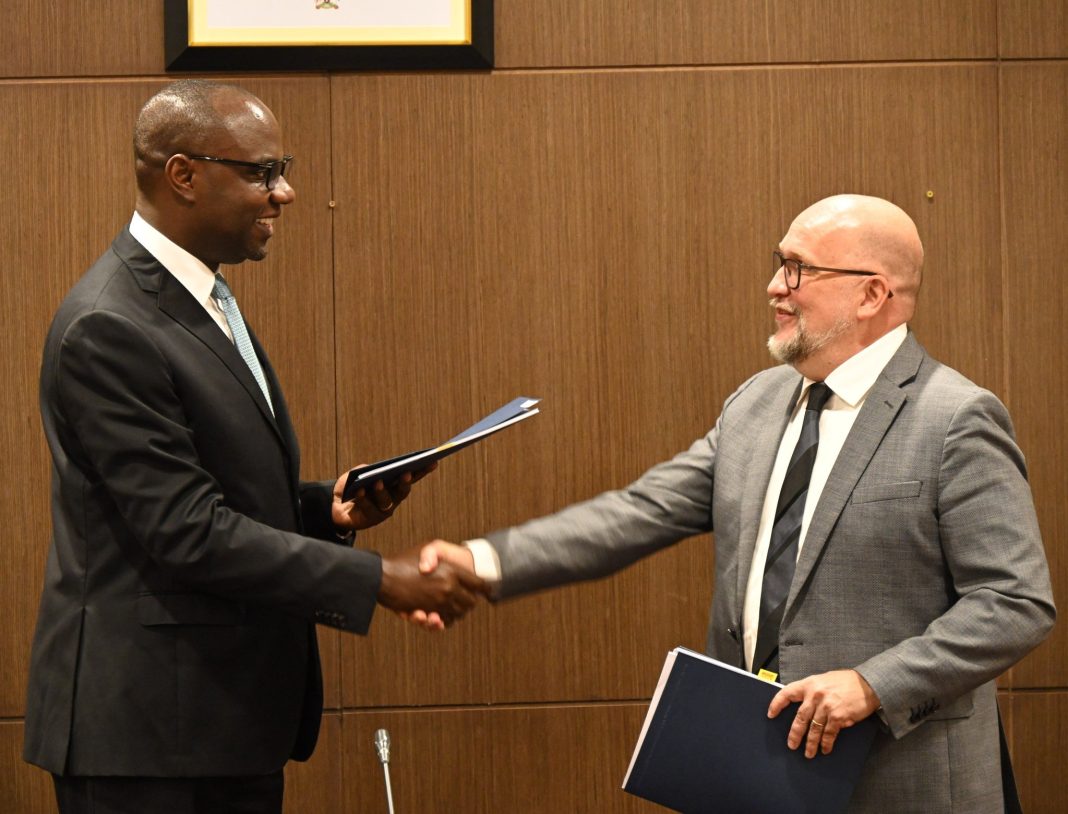
The Strategic Objective Agreement, covering 2026 to 2030, was signed in Kampala by Uganda’s finance minister, Henry Musasizi, and the US embassy’s chargé d’affaires, Mikael Cleverley.
The deal follows a memorandum of understanding signed in December 2025 under which the US committed about $1.7bn to help Uganda prevent, detect and respond to infectious disease threats.
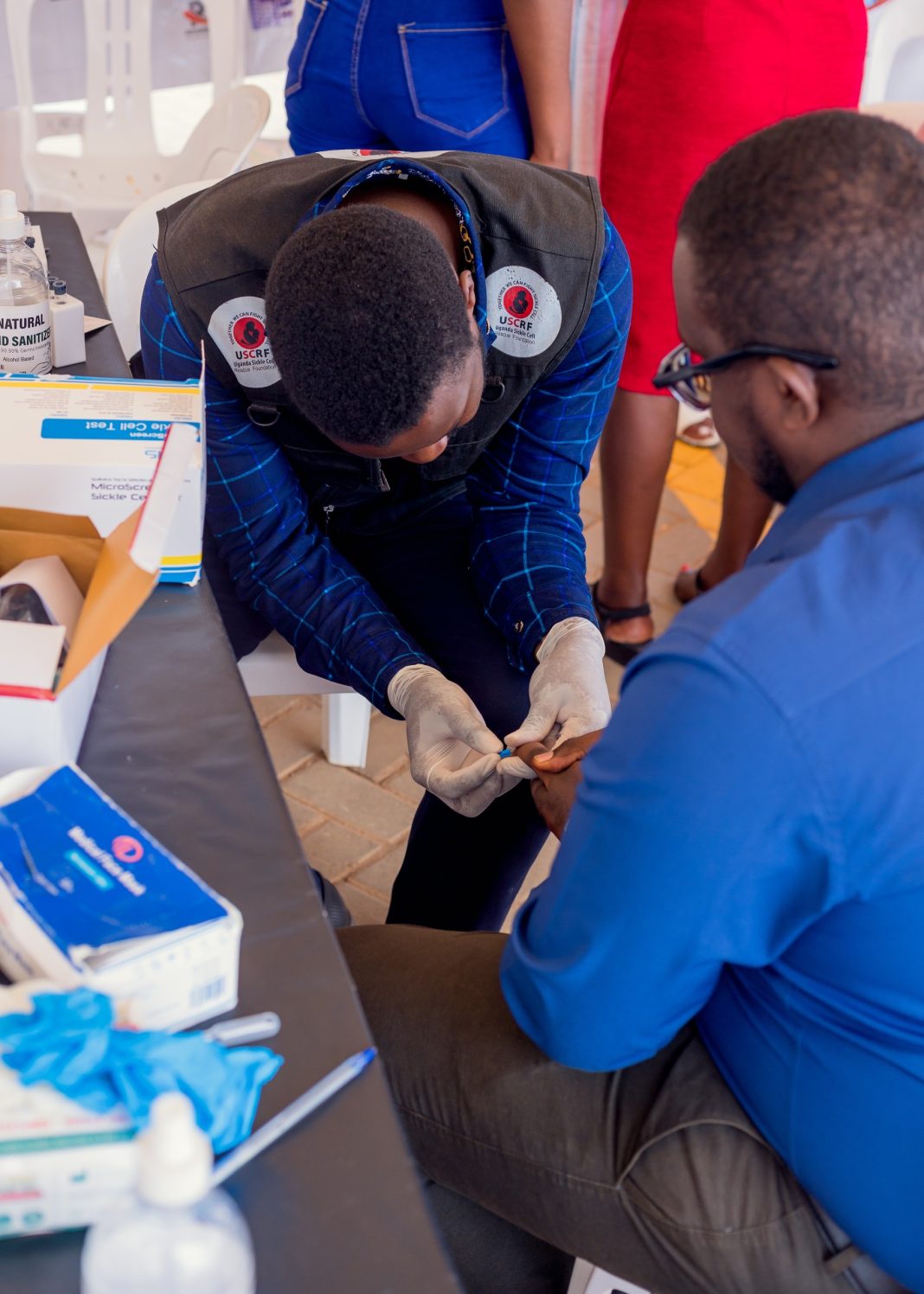
The money will support programmes addressing HIV, tuberculosis and malaria, as well as disease surveillance, outbreak preparedness and response, health commodity supply chains and wider health-system strengthening.
But the financing mechanism may prove as consequential as the size of the commitment.
For years, much of Uganda’s externally funded health spending has been managed outside the government’s main budget structures, often through international agencies and implementing organisations. The new arrangement is intended to put more of the responsibility for planning and allocating the money in the hands of Ugandan institutions.
Musasizi described the agreement as a “significant milestone” in the relationship between Uganda and the US, while acknowledging the contribution American assistance had made to the country’s health sector.
“These interventions have saved lives, strengthened communities and enhanced Uganda’s capacity to respond to public-health emergencies,” he said.
The government has welcomed the new model as a step towards greater national ownership of development assistance. Musasizi said it would help align external funding with Uganda’s priorities and improve the sustainability of development programmes.
That greater control, however, comes with greater scrutiny.
Moving funds through government systems means Uganda will be expected to demonstrate that it can plan, spend and account for the resources effectively. It also raises the stakes around procurement, financial management and the ability of health institutions to translate funding into services.
Musasizi acknowledged another challenge: donor money cannot provide a permanent substitute for domestic health financing.
“The Government of Uganda acknowledges that sustainable health outcomes require increased domestic financing,” he said, promising a gradual increase in government funding for the interventions covered by the agreement.
The emphasis on domestic financing reflects a longstanding dilemma across African health systems. External funding has helped finance some of the continent’s most important public health gains, but dependence on donors can leave governments vulnerable when priorities or funding arrangements change.
Uganda’s health ministry says progress has been substantial. Health minister Chris Baryomunsi cited a decline in HIV prevalence from about 18.5% in the late 1980s and early 1990s to 5.9%, while life expectancy has risen from roughly 43 years to 68 years.
Yet Uganda continues to face a dual burden of infectious and non-communicable diseases, putting pressure on a health system that must expand access while maintaining gains already made.
Cleverley said the agreement represented more than a financing arrangement, describing it as a sign of US confidence in Uganda’s leadership and health institutions.
The partnership will also extend beyond individual diseases, with the two governments intending to strengthen institutions, build the health workforce, improve accountability and enhance Uganda’s capacity to plan and finance services.
For Uganda, the five-year agreement offers both an opportunity and a test. Greater control over donor resources could allow the government to integrate external assistance more closely with national health priorities. But the model will ultimately be judged not by the amount pledged, but by whether the money reaches patients, strengthens institutions and leaves behind a health system less dependent on external support.