
The investment aims to expand local production of vaccines, diagnostics and medicines, strengthen regional supply chains and reduce the continent’s dependence on imports.
Afreximbank has committed US$2 billion under its Africa Health Security Investment Plan to support the production of vaccines, diagnostics and therapeutics on the continent, as African countries seek to strengthen healthcare systems and reduce reliance on imported medical products.
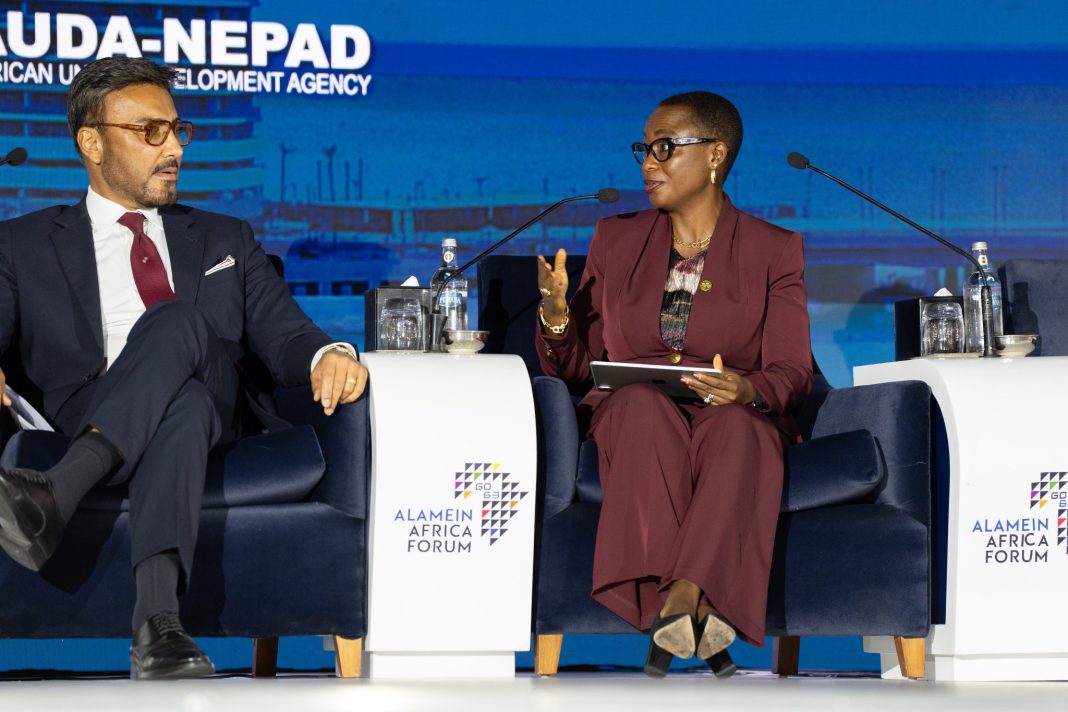
The commitment was highlighted at the Alamein Business Forum during a panel discussion on “Investing in Health: Manufacturing and Regional Value Chains”, where Oluranti Doherty, Afreximbank’s Managing Director for Export Development, discussed the role of financing and regional market access in growing Africa’s pharmaceutical industry.
The initiative seeks to address a critical challenge facing African healthcare: the continent’s limited capacity to manufacture essential medicines and medical supplies at the scale required to meet its population’s needs.
Expanding domestic production could help African countries improve access to essential healthcare products, strengthen preparedness for future health emergencies and reduce exposure to disruptions in global supply chains.
Financing local pharmaceutical production
Under the investment plan, Afreximbank is using project preparation support, trade finance, guarantees and equity investment to help healthcare manufacturers develop viable projects, attract capital and expand their operations across borders.
Access to financing remains important for pharmaceutical manufacturers, which often require substantial upfront investment in production facilities, technology, quality-control systems and regulatory compliance before they can compete in regional and international markets.
Doherty’s participation in the forum underscored the importance of connecting investment in manufacturing with access to larger regional markets, allowing businesses to expand production, achieve economies of scale and compete more effectively.
The development of regional value chains could also help African countries strengthen trade in healthcare products and reduce dependence on suppliers outside the continent.
Expanding access to specialist healthcare
Afreximbank’s healthcare investments also extend to service delivery through the US$300 million African Medical Centre of Excellence (AMCE) in Abuja, Nigeria.
The centre is intended to expand access to specialist medical services within Africa, supporting efforts to improve the continent’s healthcare capacity and reduce the need for patients to travel abroad for advanced treatment.
The project complements investment in local manufacturing by addressing another dimension of healthcare security: the availability of specialised medical services and facilities closer to the populations that need them.
Health security and economic development
Beyond improving access to medicines and treatment, investment in Africa’s healthcare industry has broader economic implications.
Developing pharmaceutical manufacturing capacity can create skilled employment, support technology transfer, encourage industrial investment and strengthen trade among African economies.
It can also improve the continent’s ability to respond to disease outbreaks and other public health emergencies by increasing the availability of essential medical products.
However, translating investment commitments into lasting improvements will depend on the successful development of manufacturing facilities, reliable infrastructure, effective regulatory systems and stronger cross-border trade.
For Africa, building a more resilient healthcare sector will therefore require sustained investment not only in production but also in the regional markets and institutions needed to support it.
Afreximbank’s investment plan reflects an effort to position healthcare as both a strategic priority for public health and an opportunity for industrial development, as African countries seek to build greater economic self-reliance.