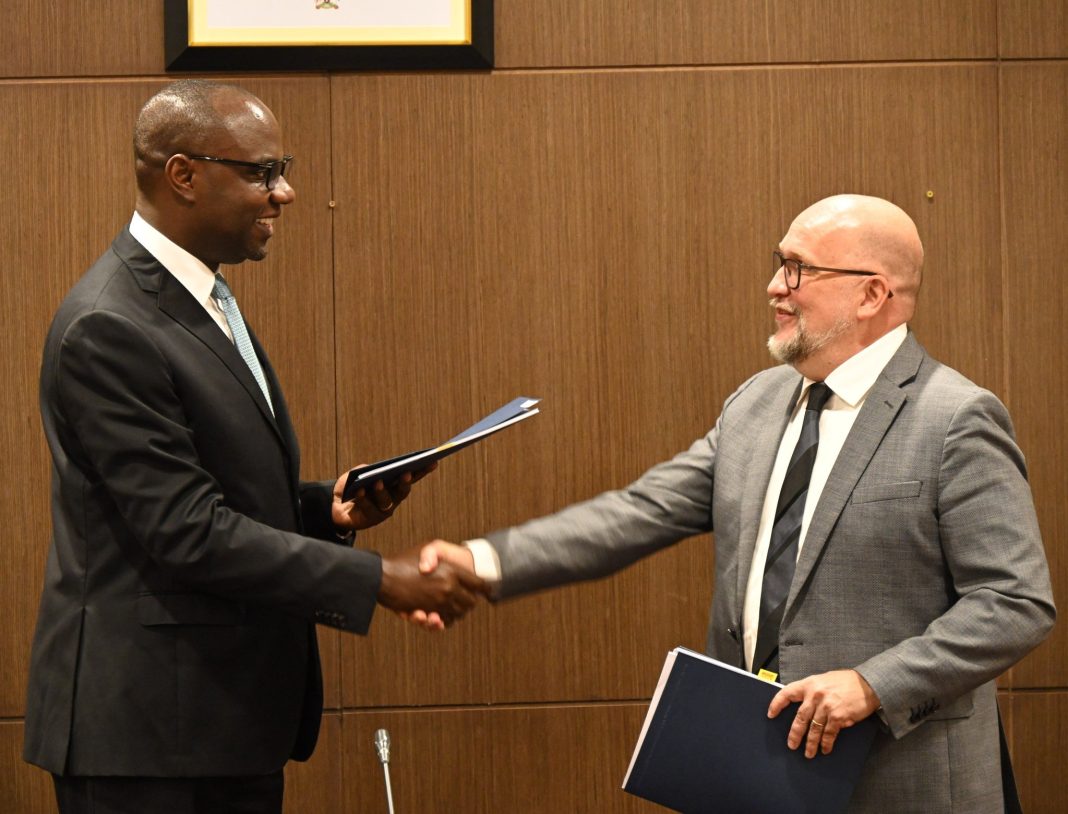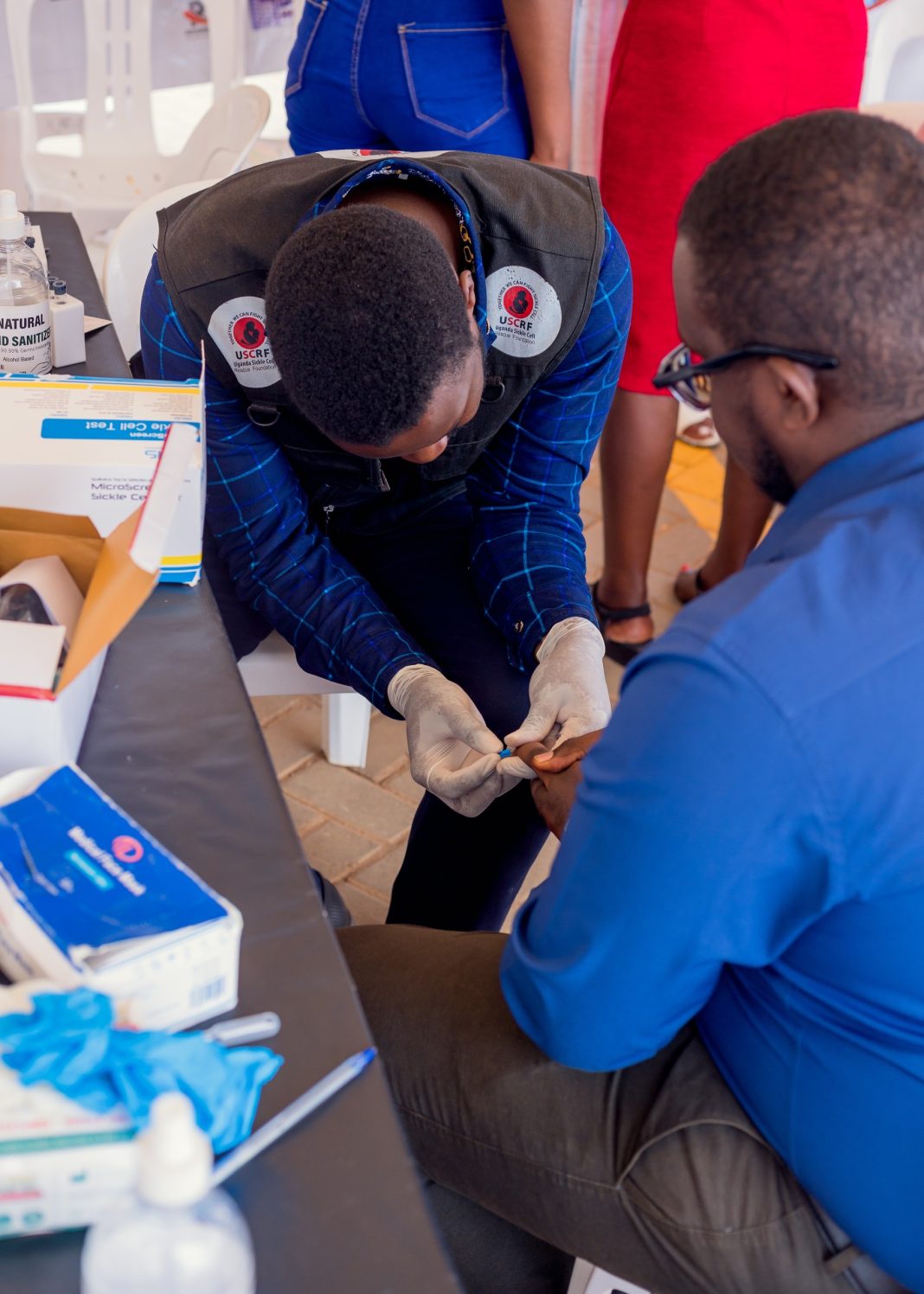

The health camp at IUIU Kibuli provided free sickle cell screening, consultations, nutrition and mental health awareness as organisers stepped up preventive healthcare among young people.
More than 300 students at the Islamic University in Uganda (IUIU) Kibuli Campus were screened for sickle cell and other health conditions during a free medical camp organised by dfcu Bank and Rotary Uganda.
The camp, held at the university, brought free preventive healthcare services closer to students and surrounding residents, with the number of students screened meeting the organisers’ target for the day.
The services included sickle cell screening, general medical consultations, health checks, nutrition information and mental health awareness, while people requiring specialised care were connected to referral pathways for further treatment.
For organisers, the strong turnout underscored the demand for accessible preventive healthcare, particularly among young people who may not routinely seek screening unless they are already experiencing symptoms.
The focus on IUIU was also deliberate.
According to Amos Kibirige, Secretary of the Rotary Club of Kiwafu Breeze, universities provide an important entry point for sickle cell awareness because students are approaching an age when many will begin making decisions about relationships, marriage and having children.
“A lot of people do not know their status in terms of sickle cells. Those who are sick know, but those whom we call carriers are not aware,” Kibirige said.
He said awareness and testing can help young people understand whether they carry the sickle cell trait and make informed decisions about their future families.
Students welcome free screening
Among those who took advantage of the camp was Mkwanga Nabilah Hamidah, a Bachelor of Medicine and Bachelor of Surgery student at IUIU.
Nabilah said she had wanted to establish her sickle cell status, particularly because the condition has affected members of her extended family.
“My uncle’s kids have sickle cells, so you never know,” she said.
She said bringing the screening directly to the university made it easier for students to access a service that could otherwise require a visit to a health facility.
“I know they do it in hospitals, where I’m thinking it’s costly if you go specifically to do that, so them doing it here for free is very good for people,” she said.
The camp also gave people living with sickle cell disease an opportunity to speak to students about the realities of the condition.
One beneficiary, identified as Josephine Tukundakwe, said her experience with sickle cell had reinforced the importance of young people knowing their status before making decisions about marriage.
She described the condition as painful and emotionally demanding, urging students to seek testing and understand the implications of carrying the sickle cell trait.
Part of Shs1 billion health commitment
The IUIU camp is part of a wider three-year partnership between dfcu Bank and Rotary Uganda through which dfcu has committed Shs1 billion towards preventive healthcare initiatives.
Diana Nanono, Sustainability Manager at dfcu Bank, said the partnership was established on the understanding that health and financial wellbeing are closely connected.
“At dfcu, our purpose is to transform lives and businesses in Uganda. Health and financial wellbeing go hand in hand,” Nanono said.
She said a serious medical emergency can wipe out household savings, disrupt businesses and undermine the ability of families to plan for the future.
Since the partnership began, dfcu and Rotary Uganda have conducted quarterly medical camps in several communities, including Nakivubo and Mbuya in Kampala, Kasenyi Landing Site, Mbarara, Ibanda and Masaka.
According to Nanono, the initiatives have so far reached more than 22,000 people with free screenings, consultations and referrals.
The partnership has also supported lifesaving interventions, including heart surgeries for 22 children in western Uganda.
Nanono said the programme is now slightly more than a year into its three-year commitment and will continue expanding to more communities.
Rotary expands sickle cell campaign
Beyond the medical camps, Rotary is using schools and universities to increase awareness about sickle cell disease and the importance of knowing one’s genetic status.
Kibirige said Rotary has previously conducted awareness activities at Greenhill Academy and Seta High School, with IUIU becoming the latest institution to host the campaign.
The organisation’s broader sickle cell programme includes collaboration with Nsambya Hospital and the Uganda Sickle Cell Foundation to establish a sickle cell centre where patients can access affordable treatment.
Rotary’s work, Kibirige said, depends heavily on partnerships and fundraising because the organisation supports communities through programmes that require medical equipment, testing and other resources.
The partnership with dfcu, he said, has helped make it possible to provide such services at no cost to beneficiaries.
From treatment to prevention
The organisers say the growing emphasis on screening reflects a broader effort to shift community healthcare from treating illness after it occurs to detecting risks earlier.
For sickle cell disease, knowing one’s status does not cure the condition or eliminate its risks. However, it can give individuals important information about their health and help couples seek appropriate counselling and make informed reproductive decisions.
Nanono said dfcu hopes the initiative will also encourage other businesses to invest in preventive healthcare.
“Healthcare access shouldn’t depend on where you live or what you can afford, and no single institution can close that gap alone,” she said.
For the more than 300 students screened at IUIU, the immediate outcome was access to information and testing that could potentially influence decisions about their health and future families.