

Uganda has taken another step toward expanding digital inclusion and improving access to public services with the launch of two new platforms designed to bring government services closer to citizens.
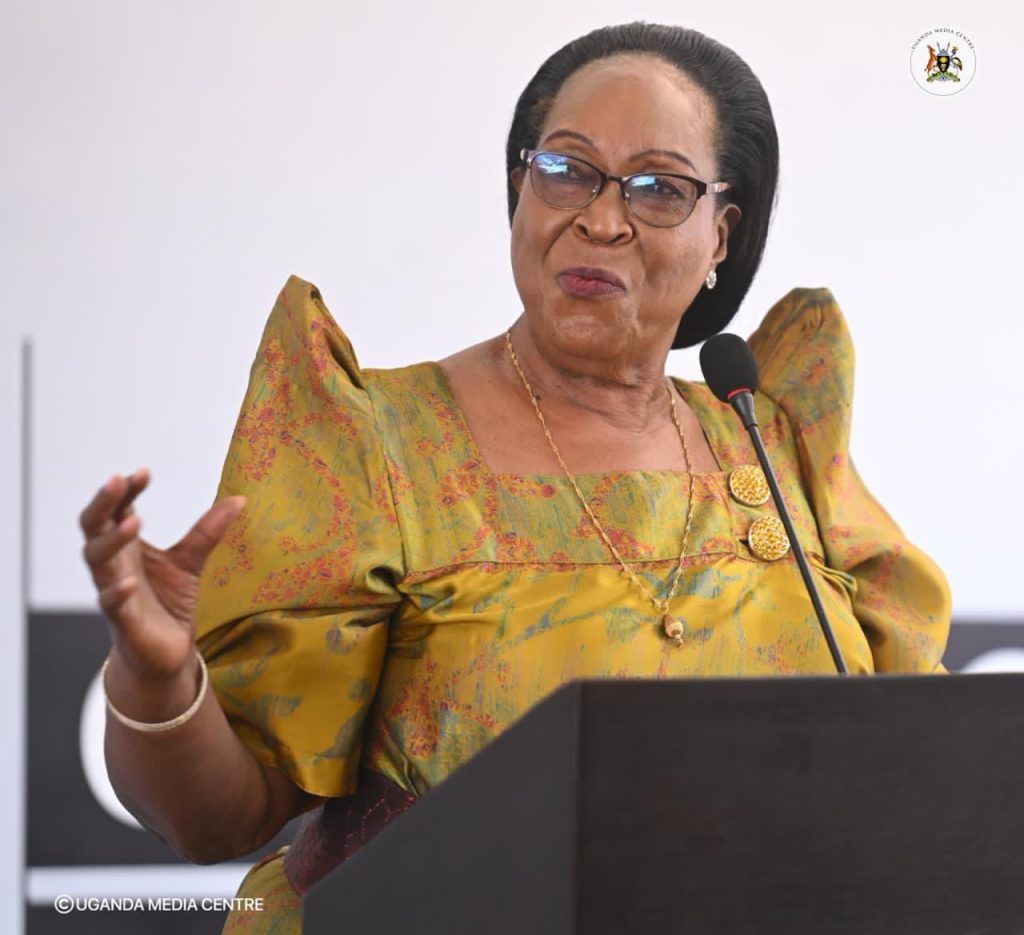
The Minister of State for ICT, Joyce Nabbosa Ssebugwawo, launched the U-Learn platform and the Uganda Human Rights Commission (UHRC) Case Management System under the Uganda Digital Acceleration Project (UDAP-GovNet).
U-Learn, developed in partnership with the Ministry of Education and Sports, provides teachers with self-paced training in digital and financial literacy. The platform is designed to address geographical barriers to professional development by allowing educators to access courses online and offline.
More than 6,600 educators across 26 institutions have already enrolled, with hundreds completing courses and receiving verified certificates.
Dr. Annet Mugisha Kajura, Commissioner for Teacher Education, Training and Development at the Ministry of Education and Sports, said the platform could help close the digital-access gap between teachers in urban and rural areas.
“Many of our teachers, especially those upcountry, have never had easy access to refresher training,” Kajura said. “A teacher upcountry can take the same course as one in Kampala, at their own pace, even offline, and still walk away with a certificate that counts toward their professional development.”
The second platform, the UHRC Case Management System, provides a centralised digital mechanism through which members of the public can submit, track and follow up complaints relating to human rights violations.
The system is expected to improve the Commission’s ability to manage complaints while strengthening transparency, accountability and access to justice.
Ssebugwawo said the platforms demonstrate how digital transformation can move beyond infrastructure and directly improve citizens’ interaction with government.
“Today marks another significant step in Uganda’s digital transformation journey,” she said. “These two platforms are firmly aligned with our National Development Plan III agenda to digitise government services across ministries, departments and agencies, and they show that digital transformation is a practical tool for improving the lives of citizens.”
The two systems form part of 14 e-services being introduced under UDAP-GovNet, reflecting a broader government effort to digitise public services and make them more accessible, efficient and transparent.
NITA-Uganda Executive Director Dr. Hatwib Mugasa said the platforms demonstrate the practical benefits of technology when public institutions design services around citizens’ needs.

“Both platforms show what is possible when institutions embrace technology to serve citizens better,” Mugasa said, noting that one platform is helping teachers build skills while the other is making it easier for Ugandans to seek redress when their rights have been violated.
The rollout comes as Uganda seeks to expand digital inclusion by ensuring that technology-enabled public services are not limited to people in major urban centres.
With offline access incorporated into U-Learn and digital complaint tracking introduced through the UHRC system, the government is positioning digitalisation not only as a technological upgrade but also as a means of widening access to education, professional development and public accountability.