
Rwanda is nearing an agreement to host a Formula 1 Grand Prix, potentially bringing the championship back to Africa for the first time since 1993, as the country seeks to attract tourists and investment through major sporting events.
The East African country has emerged as a leading contender in the race to secure an African round of the championship, ahead of rival bids from South Africa and Nigeria, according to media reports.
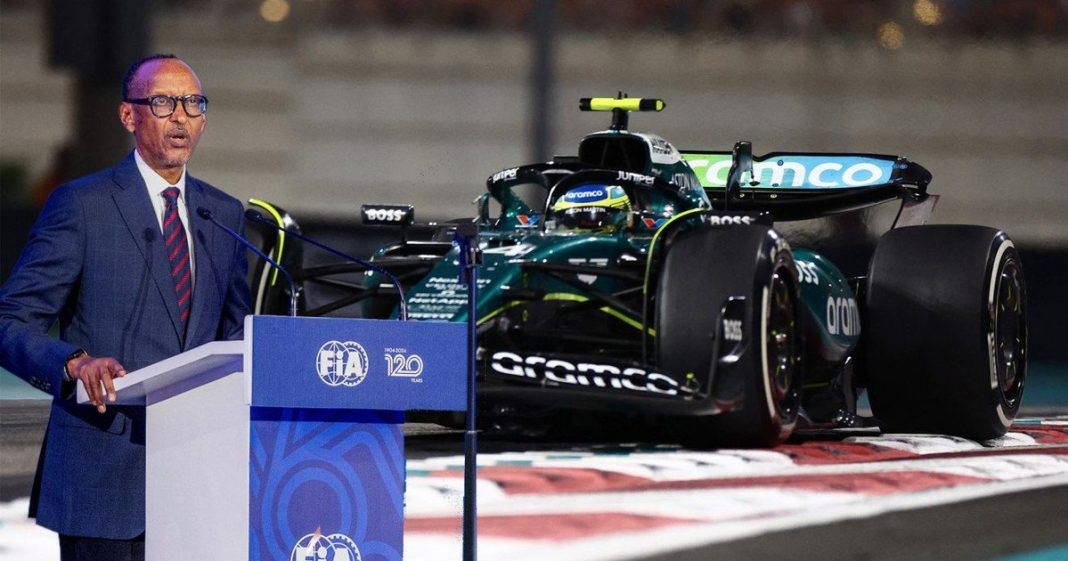
Rwanda announced its ambition to host Formula 1 in December 2024, when President Paul Kagame said the country was committed to bringing the sport back to the continent.
A race has been targeted for 2030, although Formula 1 and its governing body, the International Automobile Federation (FIA), had not formally confirmed a final hosting agreement as of October 9, 2026.
The proposed race would be held on a new circuit planned near Bugesera International Airport, about 40 kilometres from the capital, Kigali. The project would require substantial investment in track infrastructure and supporting facilities to meet Formula 1’s technical and safety standards.
Formula 1 last raced in Africa at South Africa’s Kyalami circuit on March 14, 1993, when French driver Alain Prost won the Grand Prix for Williams-Renault. A race in Rwanda in 2030 would end a 37-year absence from the continent.
South Africa has also sought to bring the championship back, with proposals involving Kyalami and Cape Town, while Nigeria has expressed interest in hosting a race. South Africa’s established motorsport infrastructure gives it a different starting point from Rwanda, which is pursuing a purpose-built facility.
Rwanda has increasingly used international sport to raise its global profile and support tourism. The country has invested in partnerships with prominent football clubs and hosted major sporting events, including the 2025 UCI Road World Championships.
A Formula 1 race could generate spending on accommodation, transport, hospitality and other services, while exposing Rwanda to a global television audience. However, the scale of the economic benefits would depend on construction costs, event revenues, visitor spending and the extent of private-sector investment.
Formula 1’s expansion into new markets has increased competition among countries seeking to host races, with governments weighing the potential tourism and investment benefits against the costs of staging major events.
For Rwanda, securing the deal would be an important step, but delivering the circuit and the supporting infrastructure would remain central to turning its ambitions into a race on the championship calendar.