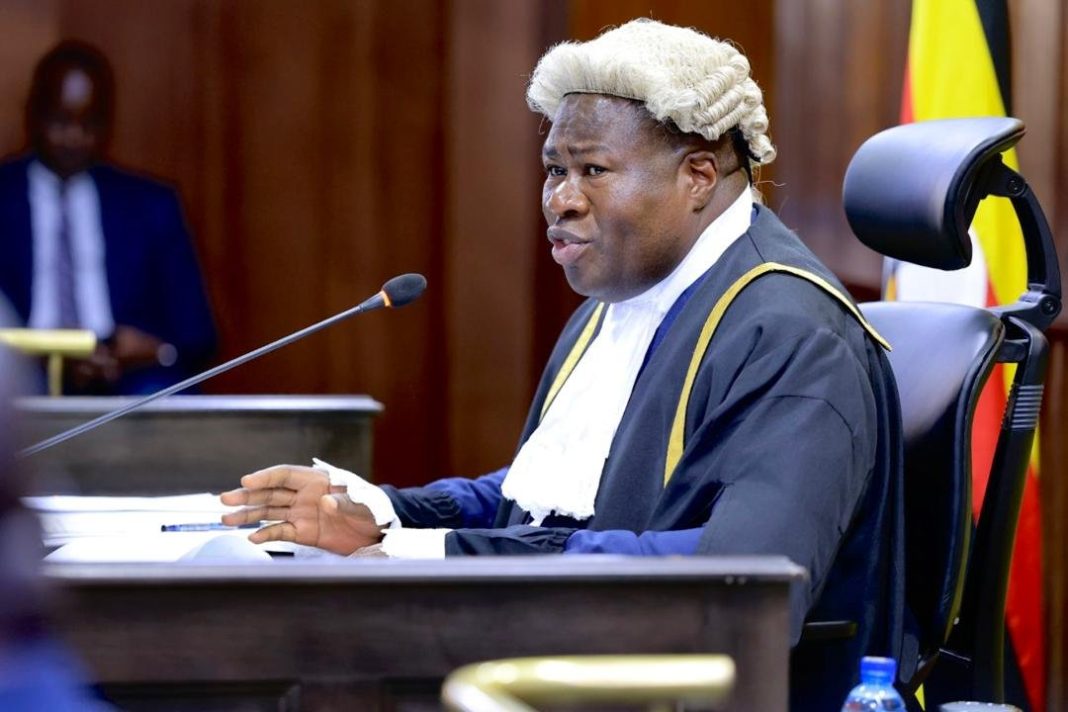

Speaker Oboth Oboth postpones debate on rising fuel prices to allow MPs to examine the exchange rate and global market pressures together.
Parliament has given the Ministry of Finance one week to prepare a statement explaining the rising US dollar exchange rate, postponing a debate on increasing fuel prices so lawmakers can examine the two issues together.
Speaker Jacob Oboth Oboth set the deadline after Minister of State for Finance, Planning and Economic Development (Planning) Amos Lugoloobi told Parliament that the government was still consulting key stakeholders before presenting its response.
Lugoloobi confirmed that the statement was being prepared but did not provide a specific date for its presentation.
Oboth said the exchange rate and fuel prices should be considered together because movements in international markets and other factors affecting prices are closely connected.
“Because you can’t talk about fuel without looking at the global market and the factors that are distorting the prices,” Oboth said.
The Speaker consequently deferred debate on the fuel-price issue until the Finance Ministry presents its statement on the exchange rate, allowing MPs to discuss both matters in a single sitting.
The Government Chief Whip also undertook to ensure that the Ministry of Finance and the Bank of Uganda work together to prepare the government’s response.
“One week is enough,” Oboth said, setting a clear timeline for the ministry to return to Parliament.
The exchange rate is a key concern for Uganda’s economy because businesses rely on foreign currency to pay for imports, including petroleum products and industrial inputs. When the shilling weakens against the dollar, importers may face higher costs, which can be passed on to consumers through increased prices.
Fuel prices are particularly sensitive to international oil-market movements, exchange-rate changes and domestic distribution costs. Higher fuel costs can, in turn, increase transport and production expenses, putting pressure on household budgets and businesses.
By linking the two debates, Parliament is seeking a broader explanation of the factors behind the price increases rather than examining fuel costs in isolation.
The forthcoming statement is expected to provide lawmakers with an opportunity to question the government’s assessment of the exchange-rate pressures and its response, although the specific measures to be presented have not yet been announced.
The Finance Ministry’s response, together with input from the central bank, will be central to the parliamentary debate on the economic pressures facing businesses and consumers.