
Uganda has reaffirmed its commitment to strengthening the Eastern Africa Standby Force (EASF) as regional security leaders confront a rapidly changing threat environment marked by evolving extremist networks, illicit activities and increasingly complex conflicts.
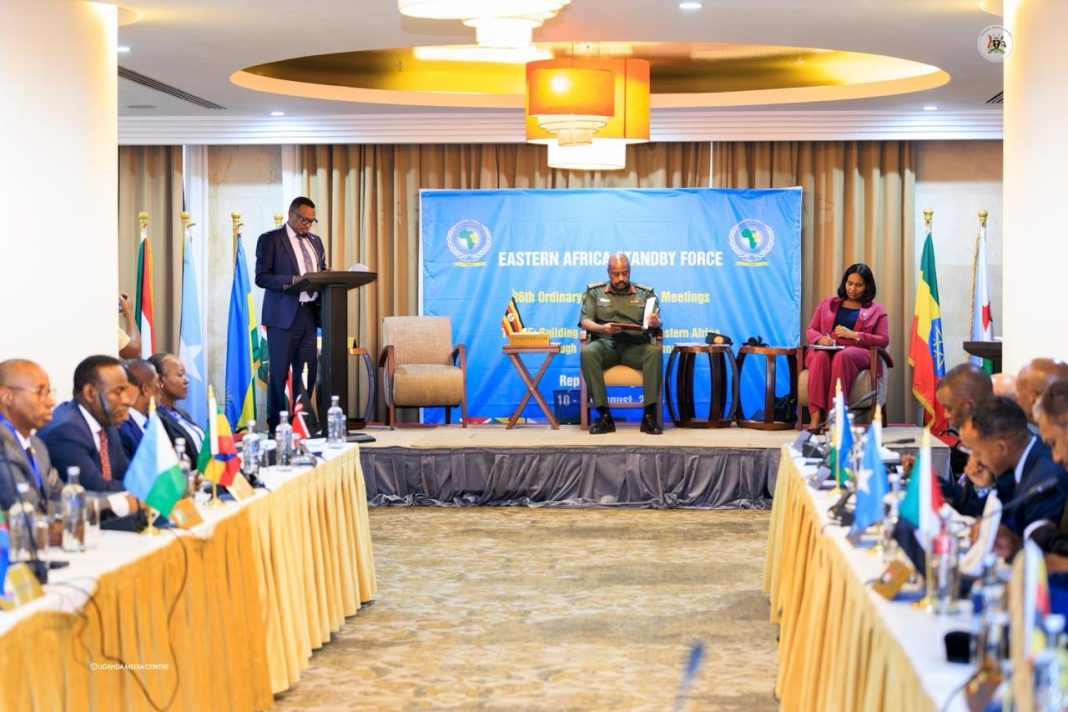
The commitment was made in Kampala during the 36th Ordinary Session of the Committee of Chiefs of Defence and Security of the EASF, bringing together senior military leaders from member states to assess the force’s readiness, sustainability and role in responding to emerging security threats.
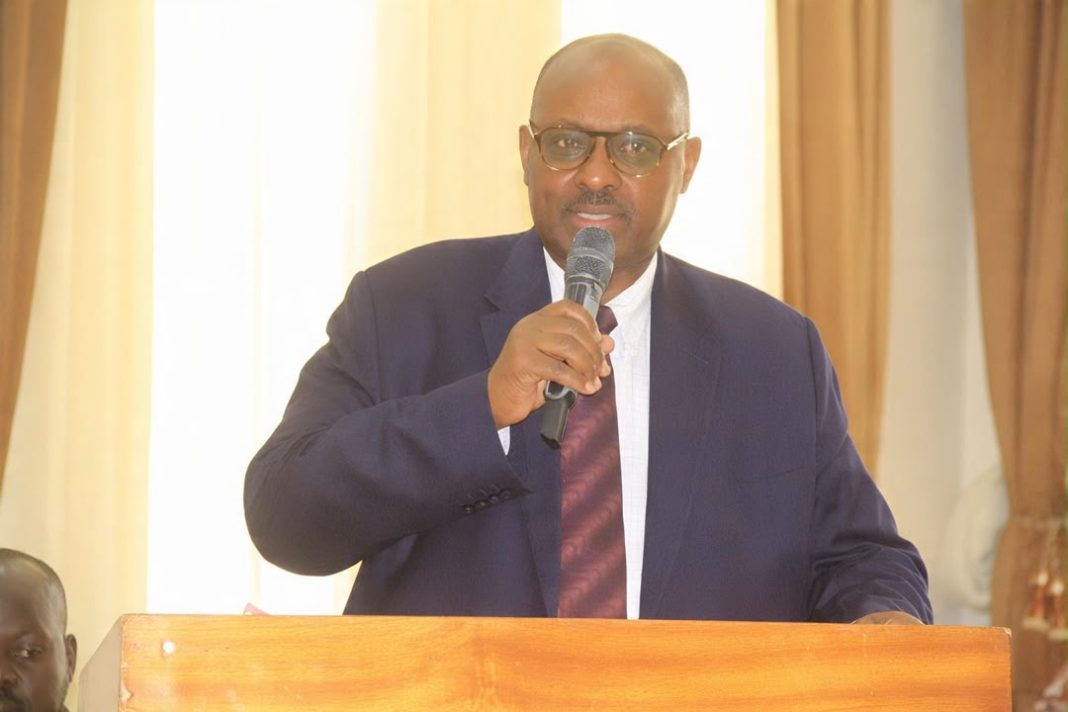
Uganda’s Minister of State for Defence and Veteran Affairs (Defence), Grace Akifeza Ngabirano, said stronger regional cooperation and confidence-building were essential to preventing conflict and preserving stability in Eastern Africa.
“Security cannot be sustained through isolation. It is built through confidence, strengthened through partnership, and endures when nations choose cooperation over uncertainty,” Ngabirano said.
She urged military leaders to anticipate emerging threats while strengthening professional dialogue, interoperability and cooperation among neighbouring countries.
Ngabirano said the region’s defence chiefs now carry responsibilities that extend beyond commanding national armed forces, describing them as strategic advisers to governments, custodians of national resilience and builders of regional confidence.
“You are builders of regional confidence. The relationship you cultivate, the truth you maintain, and the cooperation you strengthen are themselves strategic assets that contribute to preventing conflict and preserving stability,” she said.
Preparedness beyond troop numbers
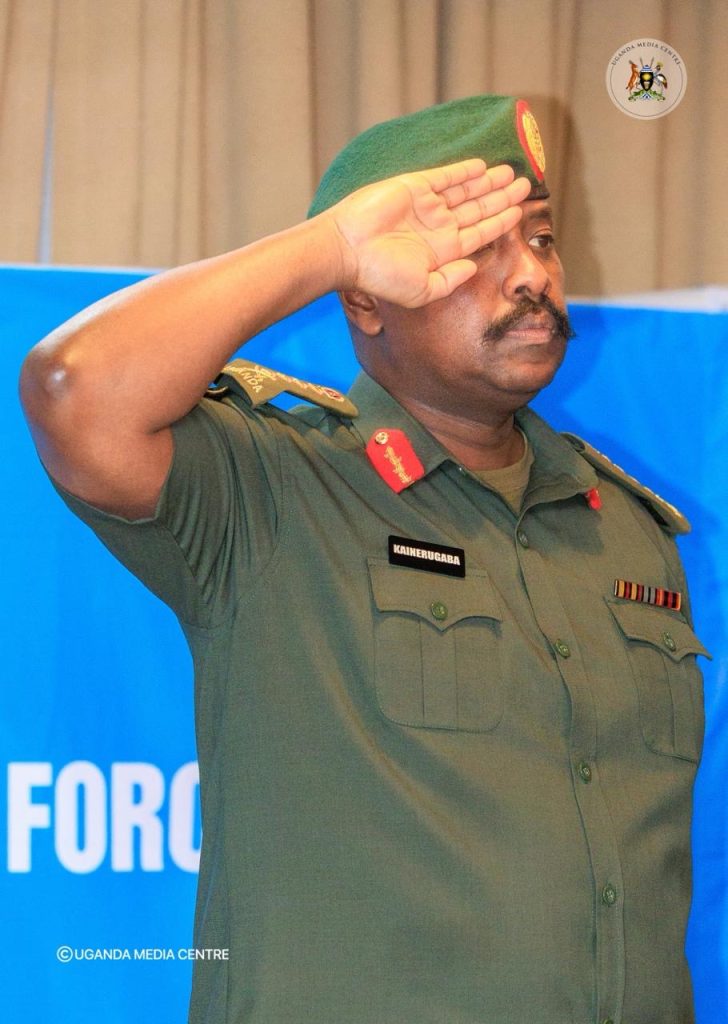
Uganda Peoples’ Defence Forces Chief of Defence Forces Gen. Muhoozi Kainerugaba said Eastern Africa’s security environment was becoming increasingly demanding as conflicts evolve rapidly, extremist threats adapt, illicit networks become more sophisticated and technology transforms military operations.
“In such an environment, preparedness is no longer measured by numbers alone. It is measured by agility, interoperability, foresight and the ability to respond decisively under uncertain circumstances,” Kainerugaba said.
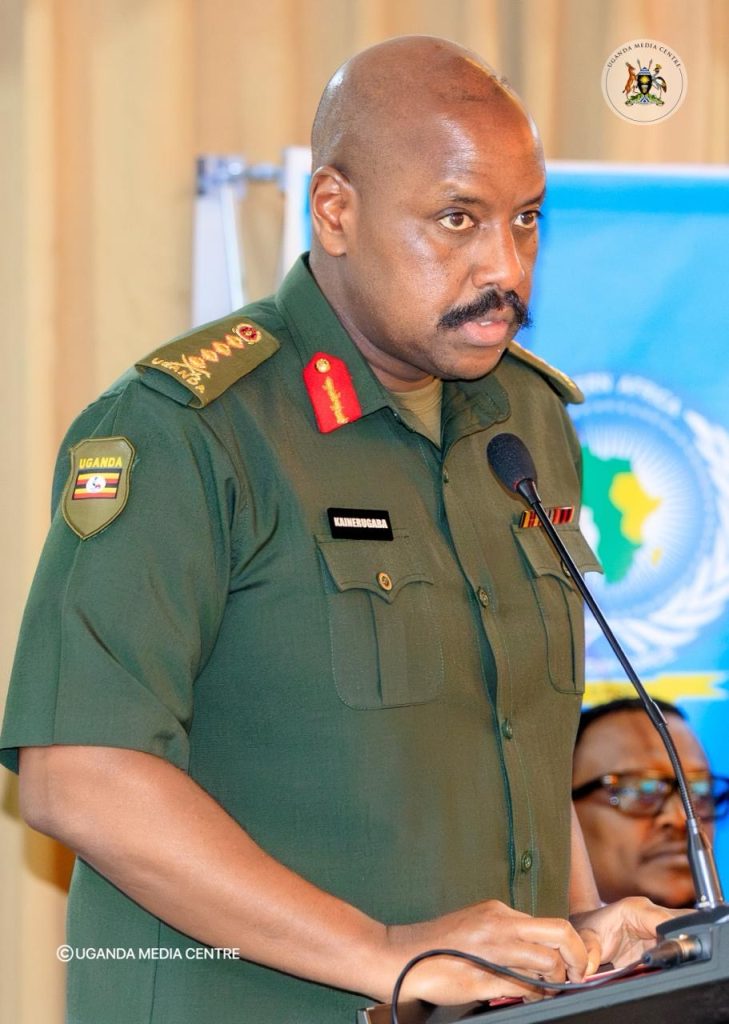
He pointed to the ongoing transition to the African Union Support and Stabilisation Mission in Somalia as evidence of the changing demands facing regional security institutions.
Kainerugaba said Eastern African states could not afford to wait for crises before preparing to respond.
“We cannot afford to depend on unpredictable circumstances. We must remain prepared to respond whenever the African Union and Member States require collective action,” he said.
He disclosed that the EASF had recently completed a force verification exercise in Uganda, describing it as a practical test of the readiness and capabilities of the force’s military, police and civilian components.
For Kainerugaba, the value of a standby force extends beyond its ability to deploy troops.
“A standby force earns credibility not only through the missions it undertakes, but through the confidence it inspires before deployment becomes necessary,” he said.
He also announced that Uganda would meet its financial obligations to the EASF, while urging member states to develop sustainable solutions to the force’s longstanding funding requirements.
Push for stronger political backing
EASF Director Brig. Gen. Ronald Rwivanga said the Kampala meeting would examine measures to strengthen the organisation’s governance, financial sustainability and operational effectiveness.
He said changes in the financing and conduct of peace support operations were placing greater responsibility on African institutions to assume ownership of peace and security on the continent.
“The question before us, therefore, is not whether EASF has a mandate. The question is whether we are collectively prepared to make that mandate a reality,” Rwivanga said.
He also renewed calls for the EASF Summit of Heads of State and Government to reconvene, noting that the summit had not met since 2014 despite provisions requiring regular meetings.
According to Rwivanga, a summit would provide renewed political commitment, strategic direction and collective ownership of the regional force at the highest level.
The push comes as African regional security mechanisms face growing pressure to develop more sustainable and locally driven responses to conflicts and other security threats.
EASF seeks greater readiness
The three-day Kampala meeting is expected to produce strategic decisions aimed at strengthening the EASF as a credible, responsive and self-reliant mechanism for addressing peace and security challenges in Eastern Africa.
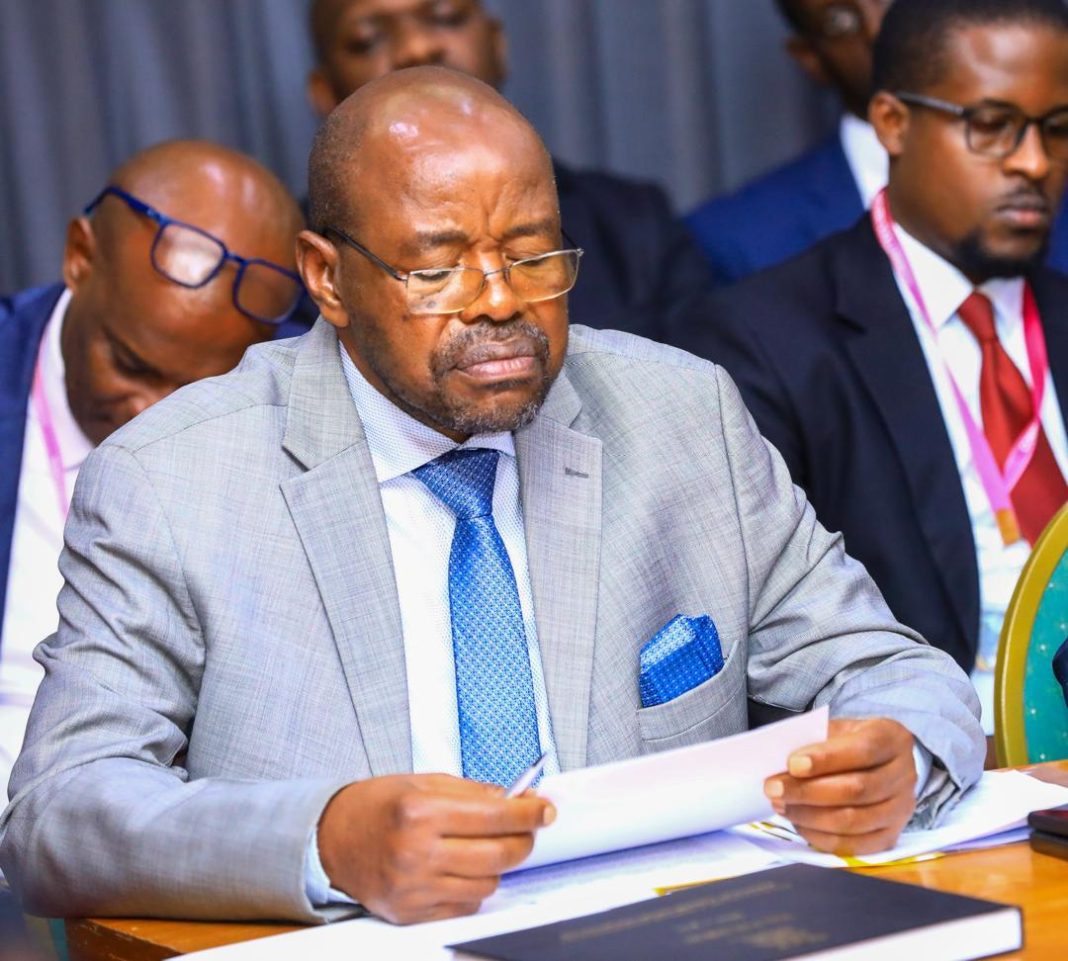
The session has attracted senior defence and security representatives from across the region, including Burundi’s Lt Gen Jean Paul Habimana, Sudan’s Lt Gen Muatasim Abbas Eltoum Ahmed, Ethiopia’s Maj Gen Teshome Gemechu Aderie, Rwanda’s Maj Gen Vincent Nyakarundi, Djibouti’s Col Mohamed Elmi Abaneh, Somalia’s Col Ahmed Mohamed Hassan and Comoros’ Lt Col Adaine Moudjib.
For Uganda, the discussions underscore a broader regional security imperative: ensuring that Eastern Africa has forces that are not only capable of deployment, but sufficiently coordinated, funded and politically supported to act when crises emerge.
As security threats become less predictable and increasingly interconnected, the effectiveness of the EASF will depend on whether member states can translate regional commitments into sustained financing, joint preparedness and operational cooperation.