
President Yoweri Kaguta Museveni has called for a renewed reflection on Ankole marriage traditions, warning that excessive financial demands risk weakening the very cultural values they are meant to preserve.
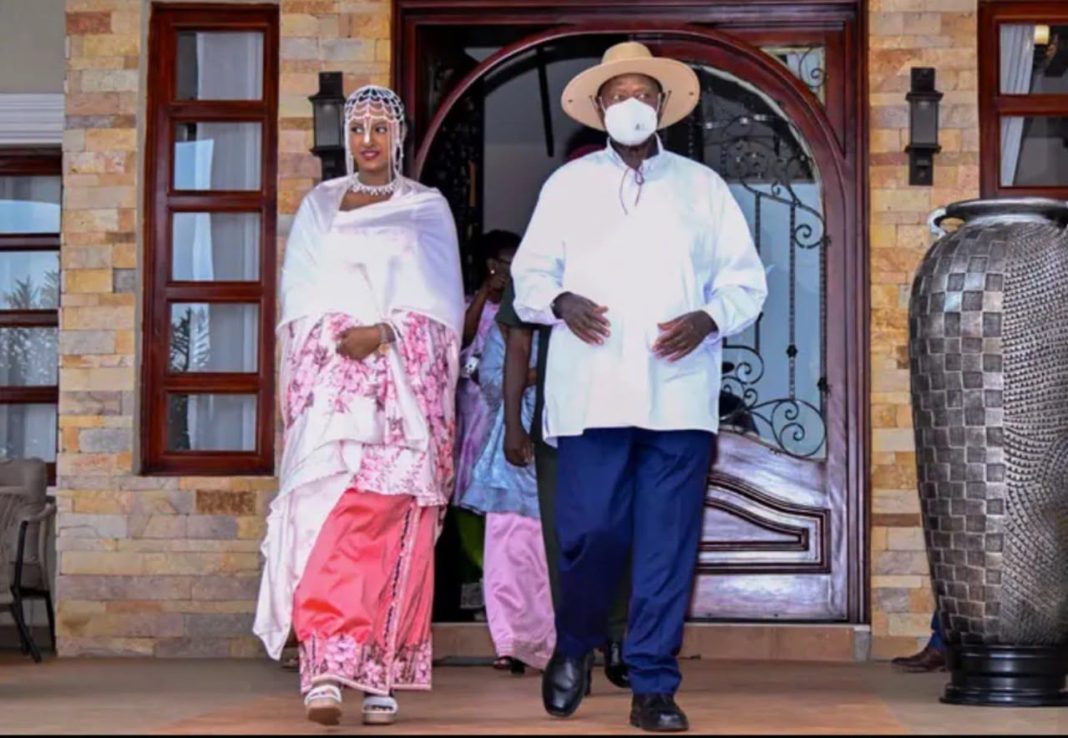
Addressing guests at a traditional Ankole wedding ceremony in Kiruhura District, President Museveni said marriage remains a vital pillar of society, but cautioned that growing costs attached to ceremonies and bride price negotiations could discourage young people from starting families.
The President said cultural practices must continue to serve their original purpose of promoting unity, respect and strong family bonds rather than becoming barriers that make marriage unattainable.
He urged the Banyankole community and other cultural groups to protect the positive elements of their heritage while reviewing practices that may place unnecessary pressure on couples and their families.
“Traditions should help people build families and strengthen communities, not create difficulties for those seeking to marry,” Museveni said.
Marriage among the Banyankole has traditionally been regarded as more than a union between two individuals, but a relationship that connects families, clans and communities. Ceremonies often reflect values of respect, identity and social responsibility passed down through generations.
However, in recent years, concerns have emerged over the increasing financial expectations surrounding weddings, including bride price demands, large ceremonies and other associated costs.
Cultural experts argue that while traditions remain important in preserving identity, they must evolve with changing social and economic realities to remain meaningful to younger generations.
Museveni’s remarks add to a broader national conversation on balancing cultural preservation with affordability, as communities seek ways to keep traditional marriage practices alive without placing overwhelming financial demands on families.
The President encouraged cultural leaders to continue promoting responsible traditions that strengthen families and uphold the social fabric of Ugandan communities.