
The Kampala Capital City Authority (KCCA) is facing mounting pressure to clear tonnes of garbage that have accumulated across the city following the government’s newly introduced monthly nationwide community cleaning exercise.
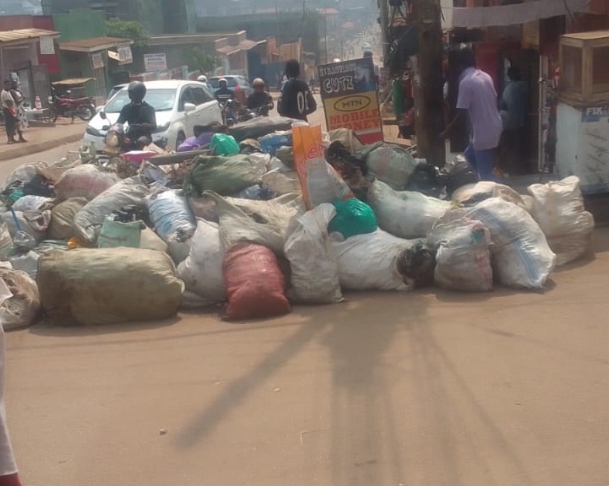
What was intended as a public health initiative to improve sanitation has instead exposed weaknesses in waste collection and disposal systems, with piles of rubbish remaining at road junctions, trading centres and residential neighbourhoods more than two weeks after the latest exercise.
The mandatory cleanup campaign, launched last month, requires communities across Uganda to participate in regular environmental sanitation activities. While local leaders have welcomed the initiative as a step towards improving cleanliness, they say implementation has been undermined by inadequate planning and limited funding for the immediate transportation and disposal of collected waste.
Several leaders interviewed said the prolonged presence of uncollected garbage risks creating the very public health hazards the campaign seeks to eliminate, including foul odours, pest infestations and the spread of sanitation-related diseases.
A representative of one of the private companies contracted to collect garbage in Kampala, who spoke on condition of anonymity because they were not authorised to comment publicly, said the scale of the exercise was significantly underestimated during the procurement process.
“We priced our bid based on the information provided at the time. We were not informed that every month the entire population of Kampala would participate in a mandatory cleanup exercise that would dramatically increase the volume of waste requiring collection,” the source said.
The source also alleged that some contractors are yet to receive the formal certification required to fully execute government waste management contracts, limiting their ability to expand operations despite the growing demand.
The delays have raised questions about whether the city’s waste management infrastructure is adequately prepared to support the government’s expanded sanitation programme.
Environmental experts have long argued that community cleaning campaigns must be matched with efficient waste collection, sufficient disposal facilities and sustainable financing if they are to deliver lasting improvements in urban sanitation.
Monthly community cleanups are not entirely new to Uganda. Similar exercises were conducted during the colonial era and in the years preceding independence as part of local public health campaigns. Today, countries such as Rwanda continue to implement regular community cleaning programmes, widely known as Umuganda, combining mandatory public participation with coordinated waste collection and local government oversight.
As Kampala continues to grapple with growing volumes of waste, stakeholders say the success of Uganda’s renewed sanitation drive will ultimately depend not only on community participation but also on timely waste collection, adequate funding and stronger coordination between government agencies and private contractors.