
Justice Minister Norbert Mao has criticised Foreign Affairs Minister Adonia Ayebare’s threat to withdraw the country from the International Criminal Court, warning that the remarks could undermine Uganda’s campaign for Olara Otunnu to become United Nations secretary-general.
The dispute, aired on social media platform X, highlights divisions within Uganda’s government over how to balance national sovereignty, criticism of international justice institutions and diplomatic interests.
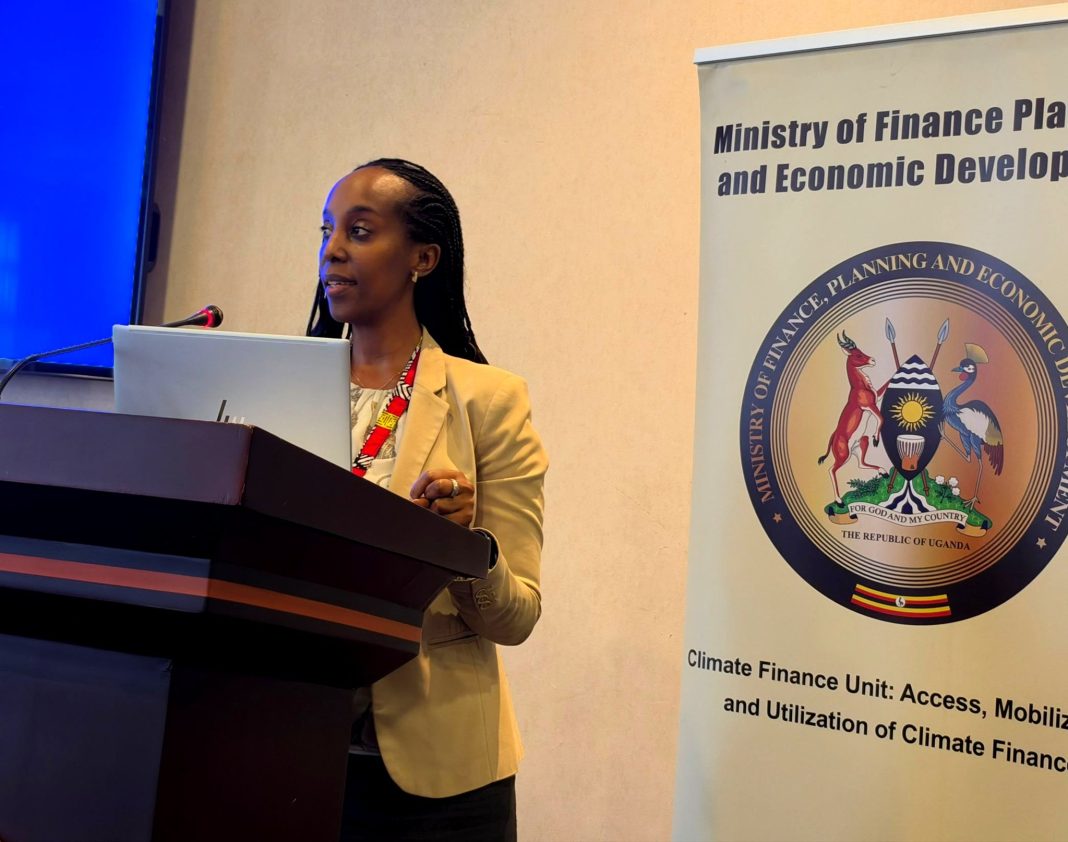
Ayebare said Uganda would not hesitate to leave the ICC if it investigated or indicted Ugandan nationals, accusing the court of disproportionately targeting African officials and undermining the sovereignty of member states.
“As a member of the ICC Bureau we will continue to advocate for common-sense reforms,” Ayebare said, describing the court as an increasingly rogue institution.
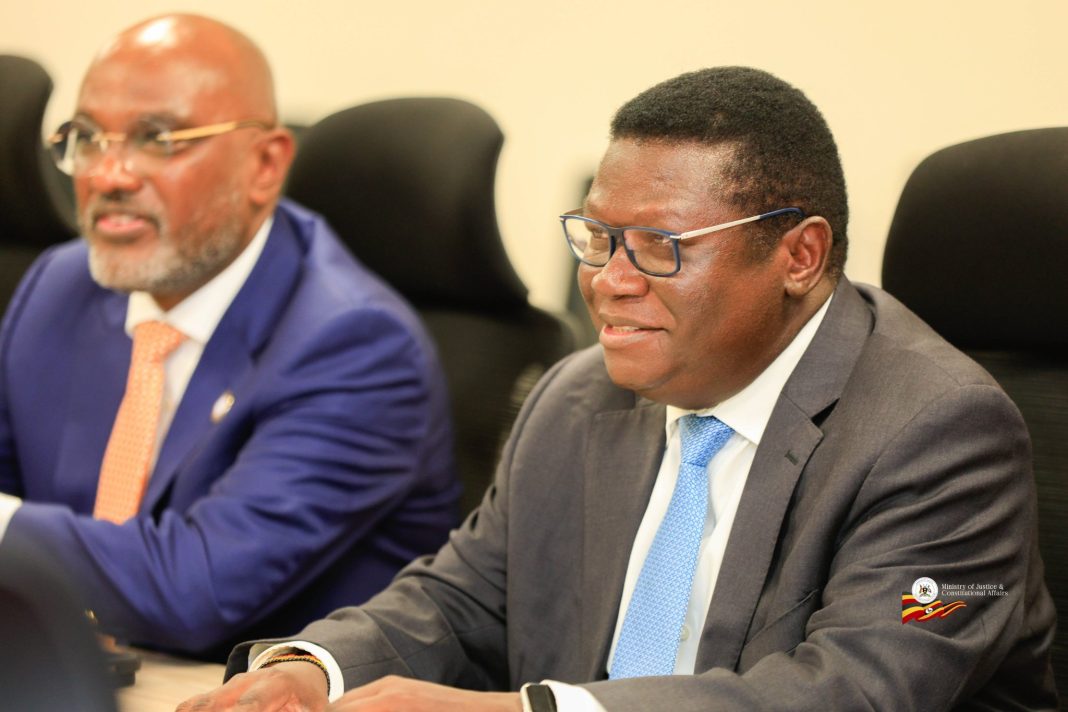
Mao urged the government to discuss its position more thoroughly before making public statements, saying the timing of Ayebare’s remarks could complicate Otunnu’s campaign.
Otunnu, a former Ugandan foreign minister and senior United Nations official, is Uganda’s candidate for the UN’s top diplomatic post, with President Yoweri Museveni having formally backed his bid.
Mao said Otunnu believed in international law and the role of international organisations in protecting weaker countries and communities against more powerful actors.
“It cannot be the country promoting his candidacy to start publicly denouncing an international organisation to which Uganda belongs voluntarily,” Mao wrote.
He also questioned the need to echo the position of U.S. Secretary of State Marco Rubio, whose government has imposed sanctions on the ICC.
Ayebare rejected Mao’s suggestion that his position could affect Otunnu’s campaign, saying his views on the court had been consistent for years. He also objected to the suggestion that he was repeating Rubio’s arguments.
Ayebare cited past ICC actions involving African countries, including Sudan and Kenya, as evidence of what he regards as unequal treatment. He also raised concerns about pressure on former ICC prosecutor Karim Khan.
The United States, which is not a party to the Rome Statute establishing the court, has argued that the ICC should not exercise jurisdiction over American citizens without its consent. The court says it prosecutes genocide, war crimes, crimes against humanity and aggression within the limits of its founding treaty.
Uganda ratified the Rome Statute in 2002 and referred the situation in northern Uganda to the ICC in 2004, leading to investigations into alleged crimes committed during the conflict involving the Lord’s Resistance Army.
The disagreement comes as the court faces renewed pressure following U.S. sanctions. The ICC has condemned the measures as an attack on the rule of law and urged member states to help sustain its operations.
The exchange between the two Ugandan ministers leaves open whether Kampala will pursue formal reforms, consider withdrawal or maintain its membership while challenging the court’s approach.
For Mao, the immediate concern is the possible diplomatic cost of Uganda’s rhetoric. Ayebare, meanwhile, maintains that his criticism of the ICC is independent of Otunnu’s candidacy.