
Uganda and Denmark are exploring a package of proposed investments and technical cooperation potentially worth more than €240 million, targeting health infrastructure, agro-industrialisation, fire and rescue services, and environmental protection.
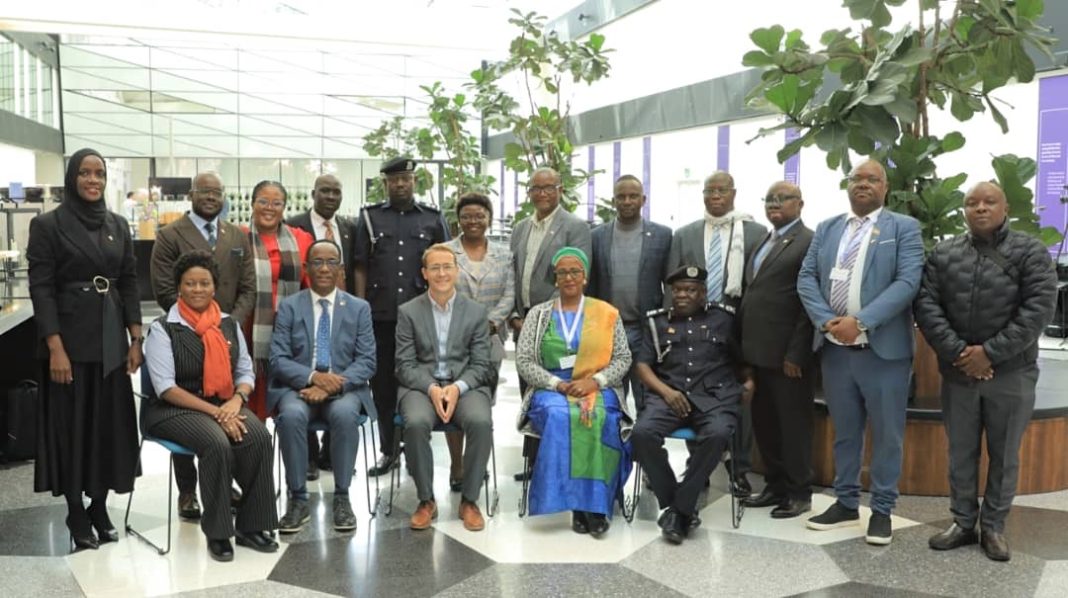
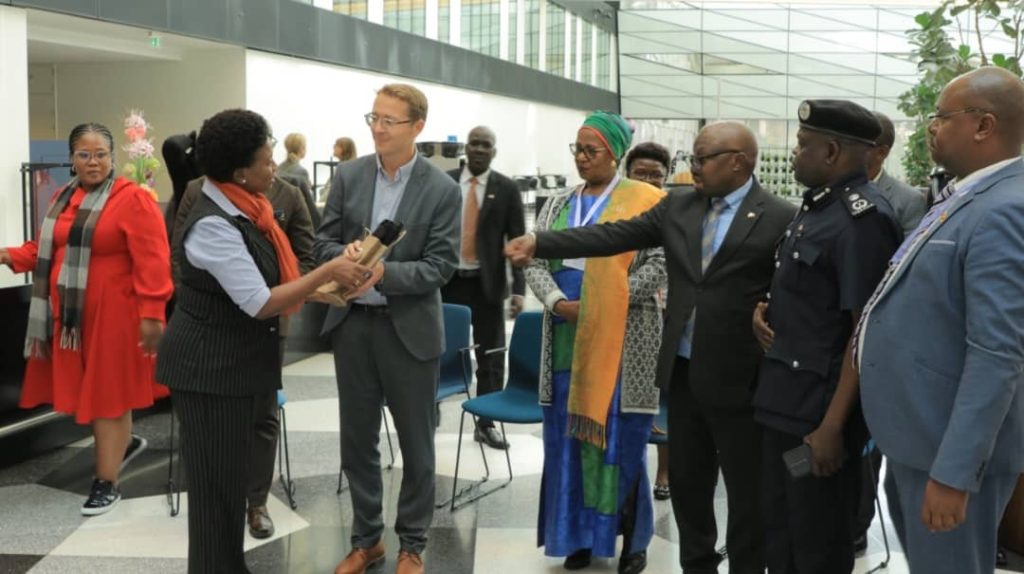
The proposals were discussed during high-level engagements between Uganda’s technical delegation, led by Ambassador Margaret M. Ottestov, and officials at Denmark’s Ministry of Foreign Affairs in Copenhagen.
The talks form part of efforts to deepen Uganda-Denmark cooperation by moving beyond traditional diplomatic relations towards practical investments in infrastructure, public services, economic transformation and environmental resilience.
At the centre of the discussions was a €70 million proposed agro-industrialisation programme for the Uganda Prisons Service.
Uganda is seeking financing for the programme through the Export and Investment Fund of Denmark (EIFO), alongside government-to-government cooperation between the two countries.
The proposal is intended to strengthen agricultural production and value addition within the Uganda Prisons Service, although the embassy did not disclose specific projects or financing terms.
Lake Victoria oil spill response
The two countries also examined cooperation on oil spill preparedness and environmental response on Lake Victoria, an issue gaining importance as Uganda moves towards commercial oil production.
The proposed partnership would strengthen Uganda’s preparedness to respond to environmental emergencies while supporting the sustainable management of Lake Victoria and its economic resources.
The discussions extended to the Blue Economy, including aquaculture, reflecting Uganda’s interest in expanding economic opportunities linked to its water resources.
Denmark considers support for fire and rescue modernisation
Uganda also presented plans to modernise fire prevention and rescue services across its cities, as urbanisation increases demand for stronger emergency response systems.
Denmark has proposed exploring selected investments through government-to-government cooperation, with an indicative financing framework of €50 million to €70 million.
Any investment, however, would be subject to feasibility studies and prioritisation by the two governments.
The proposed programme could provide support for upgrading emergency-response capabilities and strengthening fire prevention systems in Uganda’s growing urban centres.
Wakiso hospital project seeks up to €140 million
Healthcare was another major area of cooperation, with Uganda presenting plans to transform Wakiso Health Centre IV into a 300-bed public general hospital.
The proposed project has an indicative investment requirement of €120 million to €140 million.
The upgrade is intended to respond to rising demand for healthcare services in Wakiso District, where rapid population growth has placed increasing pressure on existing health infrastructure.
If developed, the project would represent one of the larger proposed investments discussed under the emerging Uganda-Denmark cooperation framework.
Cooperation still at development stage
While the proposals discussed in Copenhagen could collectively exceed €240 million, they should not be treated as confirmed financing commitments at this stage.
The projects are at different stages of development and would require feasibility assessments, financing arrangements, prioritisation and other approvals before implementation.
The Copenhagen meeting nevertheless signals an effort by Uganda and Denmark to broaden their partnership into sectors with direct implications for public services, industrial development, environmental protection and economic transformation.
The Uganda Embassy in Copenhagen said the engagements underscored the two countries’ shared interest in developing practical and sustainable investments capable of supporting Uganda’s infrastructure, public services and environmental resilience.