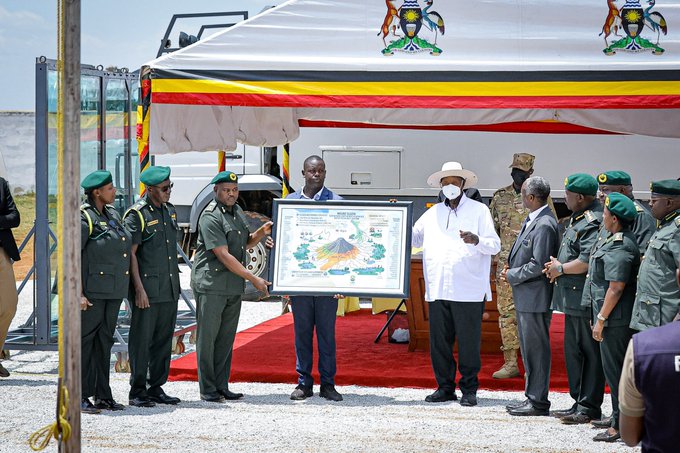

President Yoweri Museveni has urged Ugandans to embrace tourism as a major source of wealth while protecting the natural environment and improving infrastructure in areas with high tourism potential.
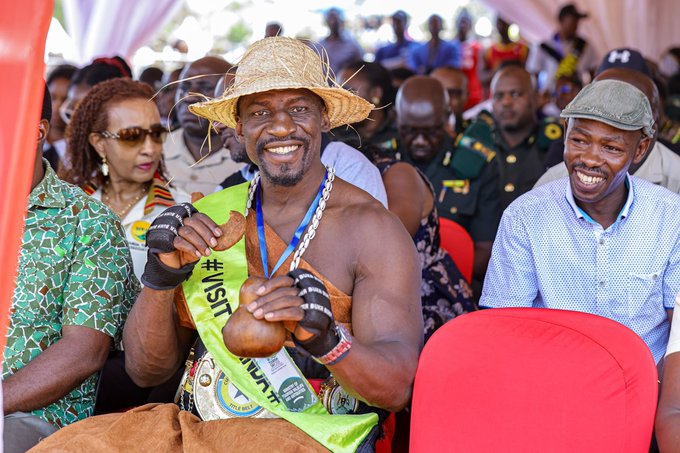
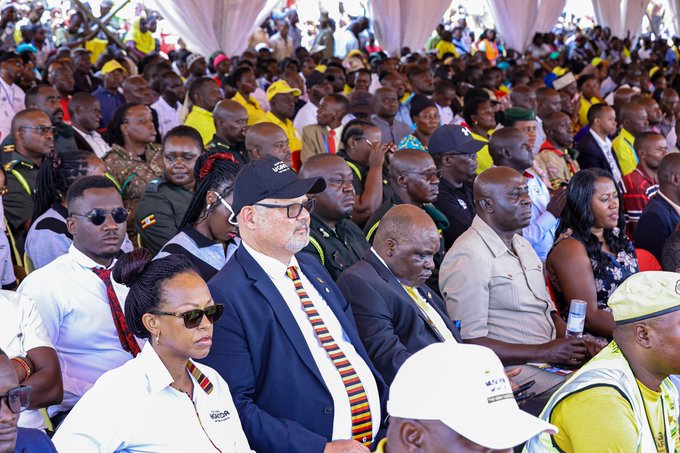
Speaking at Mbale Secondary School grounds during celebrations to mark World Tourism Day on September 27, Museveni said Uganda has a combination of natural attractions and a favourable climate that allows it to compete in the global tourism market.
“We have what Europe has and what Europe doesn’t have, including the snow-capped Rwenzori Mountains and our favourable climate,” Museveni said.
He challenged Ugandans to take advantage of the opportunities presented by tourism alongside other wealth-creating sectors, arguing that the industry can generate income for communities while creating markets for local businesses.
The remarks came as Uganda used Mbale and the wider Elgon region to showcase its tourism potential under the 2026 World Tourism Day programme, themed “Digital Agenda and Artificial Intelligence to Redesign Tourism.” The Ministry of Tourism said the celebrations were intended to position Mbale and the Elgon sub-region as important tourism destinations.
Tourism’s global economic weight
Museveni pointed to the scale of the global tourism industry, saying it is worth about $11.6 trillion.
The figure is broadly consistent with the latest World Travel & Tourism Council data, which estimates that travel and tourism contributed $11.6 trillion to global GDP in 2025, equivalent to 9.8% of the world economy. The sector supported about 366 million jobs globally that year.
Uganda is also seeking to increase its share of that global market. Ministry of Tourism statistics show that the country received 1.64 million international visitors in 2025, up 19.7% from 2024, while tourism receipts reached about $1.62 billion.
Museveni said Uganda should therefore position itself to capture more of the economic opportunities created by international and domestic tourism.
‘Those who destroy wetlands are enemies of the future’
The President linked tourism development directly to environmental protection, warning against the destruction of wetlands and other natural ecosystems.
“If you love tourism, agriculture and want electricity, you must be against environmental destruction,” he said. “Those who destroy wetlands are enemies of the future.”
His warning reflects a broader tension facing Uganda: the country is seeking to expand economic activity while preserving the natural assets on which sectors such as tourism, agriculture and hydropower depend.
Uganda’s tourism industry relies heavily on landscapes, forests, wetlands, mountains and wildlife. The Ministry has increasingly promoted conservation alongside tourism development, while the government continues to face pressure over encroachment and degradation of natural resources.
Infrastructure key to unlocking tourism
Museveni also called for the expansion of last-mile infrastructure to areas such as Bududa and Manjiya, saying better connectivity would improve access to communities and support economic activity.
The call is particularly relevant to the Elgon region, where tourism stakeholders have highlighted the area’s mountains, waterfalls, coffee culture, cuisine and cultural attractions as products with potential for greater development.
The President also welcomed what he described as renewed activity by the Uganda Wildlife Authority (UWA) and the Ministry of Tourism.
“I am glad that UWA and the Ministry of Tourism have woken up from kugona (sleep),” he said.
His comments came during a tourism campaign that included Open Park Days from September 25 to 27, when UWA opened selected savannah national parks to the public at no charge to encourage Ugandans to experience the country’s protected areas.
The government is also increasingly looking to technology to expand the sector. The Ministry says artificial intelligence can help with destination marketing, personalised visitor experiences, customer engagement and tourism data analysis, although it has cautioned that digital transformation should not leave smaller tourism businesses behind.
For Uganda, the challenge now is to convert its natural and cultural assets into sustained economic value while ensuring that the forests, wetlands, mountains and wildlife that attract visitors are not degraded in the process.