
He was arrested, imprisoned and killed. But the Congo he imagined refused to die.
There are moments in African history when the calendar seems to hold its breath.
The arrest of Patrice Emery Lumumba was one of them.
In 1960, Congo had just stepped out of the long shadow of Belgian colonialism. The flag had changed. The anthem had changed. The country had been declared free.
But freedom, Lumumba would soon discover, was easier to announce than to possess.
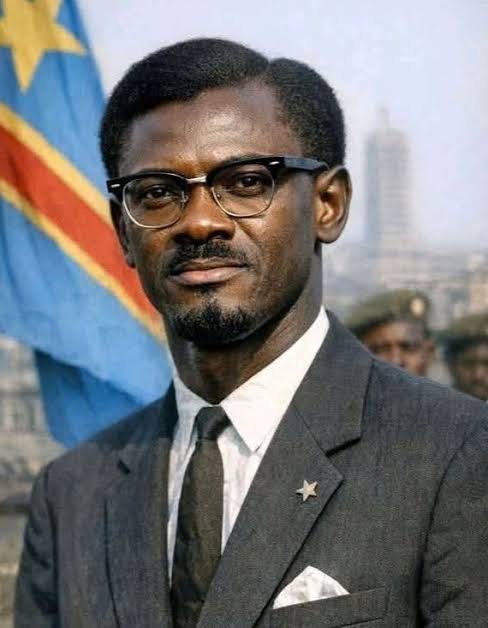
He was the first legally elected prime minister of the newly independent Republic of Congo, a young nationalist who believed that independence should mean more than Africans replacing Europeans in government offices.
He wanted the Congo to belong to the Congolese.
Its copper.
Its diamonds.
Its gold.
Its forests.
Its rivers.
Its extraordinary wealth beneath the soil.
He wanted those riches to become schools for children, hospitals for mothers, roads between villages and dignity for a people who had endured generations of colonial brutality.
That dream frightened powerful men.
The flag rose, but the chains remained
On June 30, 1960, Congo became independent from Belgium.
The ceremony was supposed to mark a new beginning.
Instead, it exposed an old wound.
Belgian officers still held influence over the army. Foreign companies remained deeply invested in Congo’s mineral wealth. Political leaders were divided, while the Cold War was beginning to cast its long shadow across the continent.
Lumumba refused to pretend that independence was complete simply because Belgium had lowered its flag.
His famous words at the independence ceremony were not the words of a man prepared to inherit colonialism quietly.
He spoke of the suffering of the Congolese people.
He spoke of humiliation.
He spoke of a country that had been exploited in the name of civilisation.
And he spoke of a future in which Congo would finally belong to itself.
For Washington and Brussels, Lumumba increasingly appeared not as a statesman to be accommodated, but as a problem to be solved.
Then came the storm
The young republic began to fracture.
The army mutinied. Belgium intervened militarily. Katanga, the mineral-rich province, declared secession.
Congo’s independence was being pulled apart at its seams.
Lumumba appealed to the United Nations for help. When that assistance failed to restore his government’s authority, he turned toward the Soviet Union.
In the fever of the Cold War, that decision made him even more dangerous in Western eyes.
Behind diplomatic language, secret plans were taking shape.
Declassified American records show that the CIA developed a covert programme to remove Lumumba and even explored assassination. Belgium, meanwhile, was deeply involved in the political and military crisis surrounding him.
And in the middle of this great contest stood a young African leader who had imagined something profoundly simple:
Congo should be free.
The night Lumumba disappeared
On September 14, Colonel Joseph-Désiré Mobutu seized power.
Lumumba was stripped of authority.
Soldiers surrounded his residence.
The prime minister of independent Congo became a prisoner in the country he had helped lead to independence.
Still, Lumumba refused to disappear quietly.
In November, he escaped and began travelling towards Stanleyville, where supporters hoped to rebuild his political movement.
But the journey ended before he could reach them.
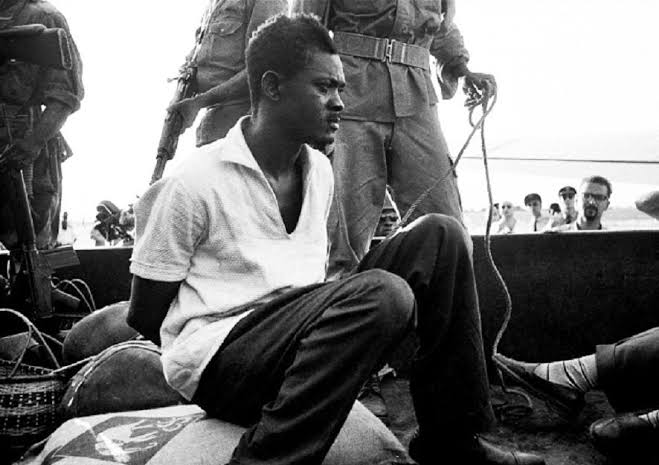
He was captured on December 1, 1960.
The man who had once stood before a cheering nation was now being paraded before soldiers.
His freedom had narrowed to the walls of a prison cell.
His enemies had finally caught him.
January 17, 1961
The final journey came in January.
Lumumba was transferred to Katanga with two fellow nationalists, Joseph Okito and Maurice Mpolo.
They were taken into the night.
And there, on January 17, 1961, Patrice Lumumba was executed.
He was only 35.
But death was not enough.
His body was later exhumed and destroyed in an attempt to ensure that no grave would become a shrine, no resting place would become a gathering point for those who still believed in his dream.
They tried to erase the body.
They could not erase the memory.
A grave without a body
Perhaps that is the cruelest irony in the story of Patrice Lumumba.
Those who destroyed his remains understood something that history would prove true:
A dead man can become more powerful than a living politician.
Lumumba’s grave disappeared.
But his name travelled.
It crossed the Congo River.
It travelled through the villages and cities of Africa.
It entered the speeches of liberation movements.
It found its way into the imagination of generations who had never seen him alive.
From Ghana to Guinea, from Tanzania to South Africa, Lumumba became something larger than the prime minister he had once been.
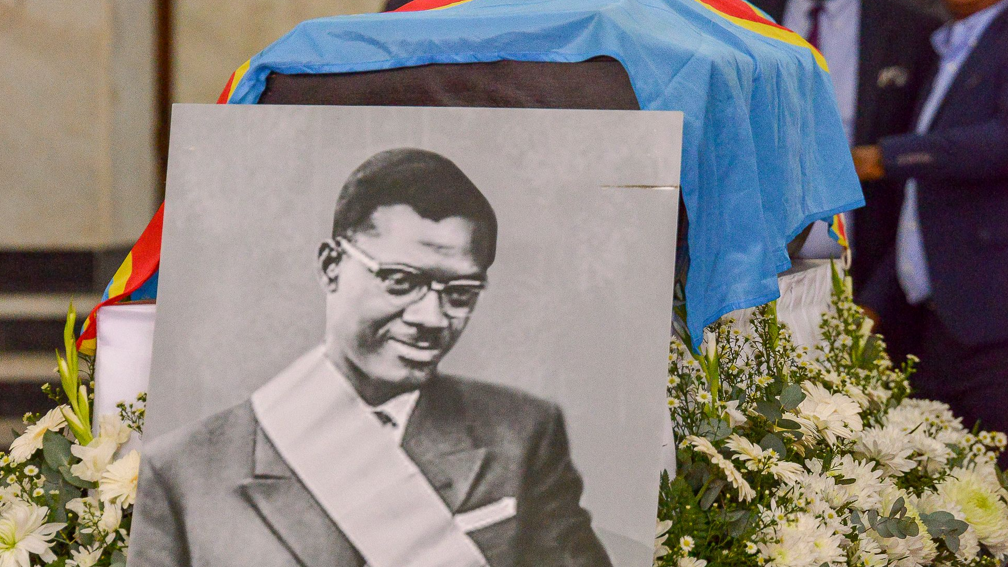
He became a symbol.
A symbol of the African who refused to bow.
Of the nation that wanted to own its own wealth.
Of independence that demanded to be real.
Congo still carries the question
More than six decades after his death, the Congo remains one of the world’s richest countries in natural resources and one of its most troubled.
The paradox would not have been lost on Lumumba.
A country blessed beneath the soil, yet repeatedly wounded above it.
A nation whose wealth has attracted armies, corporations, politicians and foreign powers.
A nation whose story has often been written by those who wanted something from it.
And perhaps this is why Lumumba’s voice still echoes.
Because his central question was never only about himself.
It was about Africa.
What does independence mean if a people cannot control their own destiny?
The bullets silenced Lumumba.
The prison walls could not.
The execution could not.
The destruction of his body could not.
Because some men leave behind monuments.
Others leave behind nations still searching for the future they promised.
Patrice Lumumba left behind a question.
And Congo is still answering it.