
Anti-Corruption Court refuses to halt Shs3.8bn case as judge warns that justice delayed is becoming justice stalled
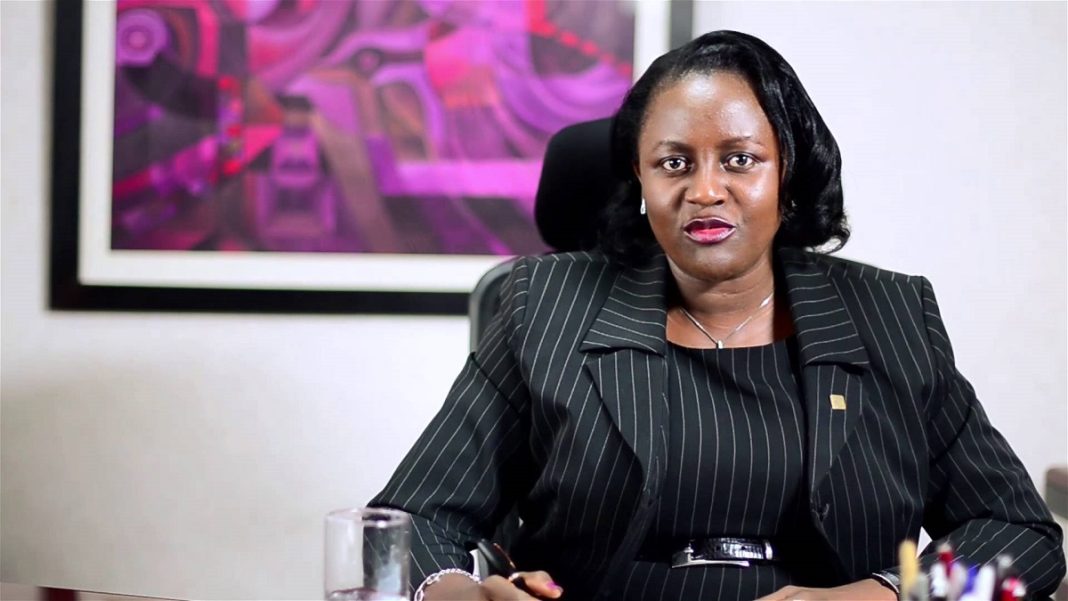
The paradox hanging over the Shs3.8 billion corruption case against former Trade Ministry Permanent Secretary Geraldine Ssali and her co-accused is difficult to miss: the court has refused to pause a trial that, more than two years after it was committed, has hardly started.
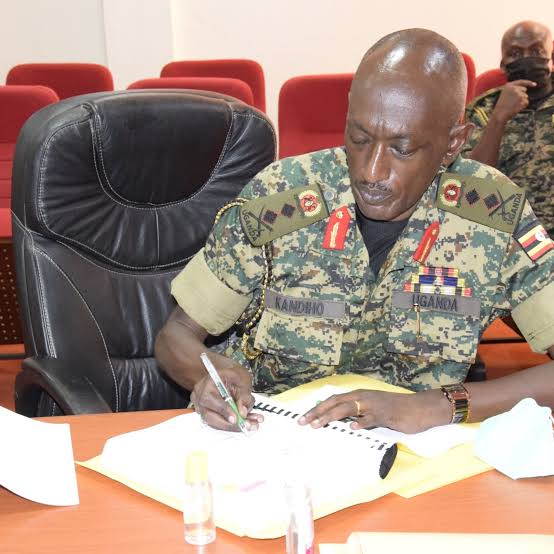
The Anti-Corruption Court has rejected an application by former Busiiki County MP Paul Akamba to halt the proceedings, with Justice Jane Okuo Kajuga warning that another stay would only deepen delays that have already frustrated the case.
Akamba had asked the court to suspend the corruption trial until the Constitutional Court determines an appeal arising from his human rights enforcement application.
His complaint is grave. He alleges that he was abducted, assaulted and detained incommunicado, among other violations, and has asked the Constitutional Court for damages and for the criminal proceedings against him to be nullified.
But the judge drew a line between the alleged violations and the corruption charges.
“All these are serious violations and I am not in any way belittling them,” Justice Kajuga said.
Yet, she added, the allegations were not sufficiently connected to the corruption case to justify stopping the trial.
The result is an unusual judicial contradiction: Akamba says the circumstances surrounding his prosecution demand that the case be stopped, while the Anti-Corruption Court says stopping it would itself become an injustice.
The court, Kajuga said, could not allow the criminal proceedings to remain suspended while related applications moved through the courts.
She also pointed to another twist.
Akamba and several co-accused had urged the court to allow his human rights proceedings to be dealt with first. But Akamba had separately filed an application seeking to stay those very human rights proceedings—an application that had not yet been heard.
For the judge, the bigger danger was becoming increasingly clear: a case caught in a web of applications, appeals and counter-applications, while the substantive trial remained untouched.
The corruption case was committed to the Anti-Corruption Court in June 2024.
Yet by September 2026, not a single prosecution witness had testified.
“It is important that cases are heard and that they are heard quickly. Since June 2024, not even one witness has testified,” Kajuga said.
The judge acknowledged the burden placed on the accused by repeatedly appearing in court without the trial advancing.
“I can imagine the toll it has taken on them to keep reporting from 2024 till now. We are ending 2026 and no trial has started,” she said.
That observation gives the case its sharpest paradox.
The court is demanding that the trial move forward in the name of speedy justice, even as the passage of more than two years without a single witness means the justice system itself has already moved painfully slowly.
Kajuga nevertheless found no legal basis to grant the requested stay.
She ruled that the proceedings would continue unless the Director of Public Prosecutions withdrew the charges or the Supreme Court issued a stay on implementation of the Constitutional Court decision in the case of Farouk and Others versus Sonia Jenner.
The ruling clears the way for the prosecution of Ssali, Akamba and their co-accused.
For the accused, the ruling means the wait continues.
For the prosecution, it means the courtroom door remains open.
And for the court, the message is stark: after more than two years of waiting for the first witness, the trial can no longer afford to wait for another application.
The case was adjourned to December 5 for hearing.