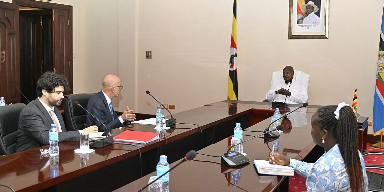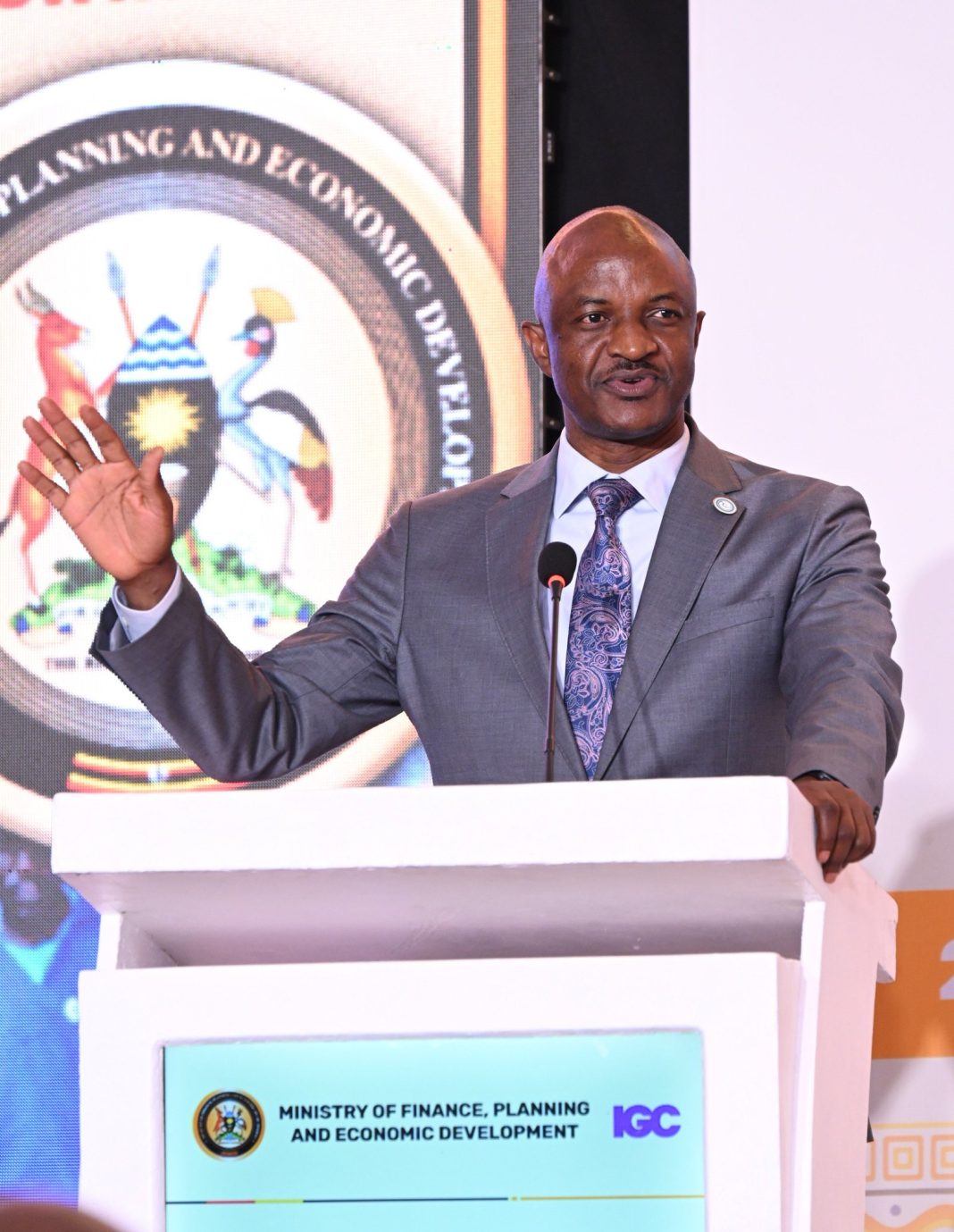

PSST Ramathan Ggoobi says Uganda will back AI, export-led growth, industrial productivity and disciplined public investment as Government moves to turn research into measurable results.
Uganda must now move from identifying economic challenges to executing solutions that deliver jobs, exports, investment and productivity, Permanent Secretary and Secretary to the Treasury (PSST) Ramathan Ggoobi has said.
Ggoobi said a 10-year partnership between the Government and the International Growth Centre (IGC) has shown that evidence-based policymaking is increasingly influencing how Uganda designs its economic policies.
But he warned that research will have little value unless its findings are translated into action.
Speaking at the 10th Economic Growth Forum, Ggoobi said the Ministry of Finance, Planning and Economic Development (MoFPED) is committed to implementing the most practical recommendations emerging from the forum.
“The commitment is to ensure that well researched and actionable ideas from this 10th EGF are implemented and translated into impact,” he said.
The commitments place execution at the centre of Uganda’s next phase of economic transformation, with Government outlining reforms around technology, exports, industrialisation, public investment and private-sector financing.
AI becomes part of Uganda’s economic strategy
Ggoobi said Government will adopt Artificial Intelligence to address economic and public-service challenges.
But he said Uganda cannot expect AI to transform the economy without first fixing the infrastructure and institutional foundations needed to support it.
Reliable electricity, affordable internet, relevant skills, quality data and effective institutions, he said, will determine how successfully Uganda can use AI.
The approach signals a broader shift from viewing technology simply as an innovation tool to treating it as part of the country’s economic development strategy.
Exports to become the growth engine
Ggoobi also put exports at the centre of Uganda’s growth agenda, saying the country must produce for markets beyond its borders.
He said Ugandan companies should be helped to establish themselves in regional markets before being prepared to compete globally.
“Those who need derisking from government, the first key requirement is export reform,” he said.
The strategy will require businesses to become more competitive while ensuring that Government support is increasingly tied to access to markets and export performance.
Government will back winners, not protect losers
On industrial policy, Ggoobi said Government would continue supporting businesses capable of driving productivity and economic transformation, but would not use public policy to indefinitely shield inefficient firms from competition.
“We shall look beyond large firms, but also manufacturing. Our focus will be productivity, jobs, learning and the spillovers wherever they are,” he said.
He said the approach is already embedded in the Tenfold Growth Strategy, which seeks to accelerate productivity, investment and structural transformation.
Ggoobi said evidence presented through the IGC partnership has also given Government greater confidence that it is improving its ability to design the policy frameworks necessary for growth.
Tougher discipline on public projects
Government is also preparing to tighten discipline around public investment.
Ggoobi said Uganda will pursue fewer but better projects, with projects expected to be properly prepared, fully financed and completed on schedule.
The objective, he said, is to ensure that projects deliver the economic and social returns promised when they are approved.
“We are also going to finance our growth sustainably by plugging the leakages, mobilising more domestic resources and diversifying into the cheaper and innovative capital,” he said.
He added that reforms to enforce greater discipline in public investment have already started.
Financing alone will not create jobs
Ggoobi also challenged the traditional approach of treating all private businesses in the same way when designing financing programmes.
He said Government intends to develop a more segmented financing system that recognises the different needs and growth potential of businesses.
Larger firms, he said, should receive support to scale and penetrate new markets.
But he cautioned against assuming that simply providing firms with money will automatically translate into employment.
“I have learnt from research today that financing firms alone does not automatically create the net jobs, what matters is markets,” he said.
The message from the 10th Economic Growth Forum was therefore less about generating another list of economic recommendations and more about putting existing knowledge to work.
For Ggoobi, Uganda’s next economic breakthrough will depend not only on the quality of its policies, but on the country’s ability to execute them.