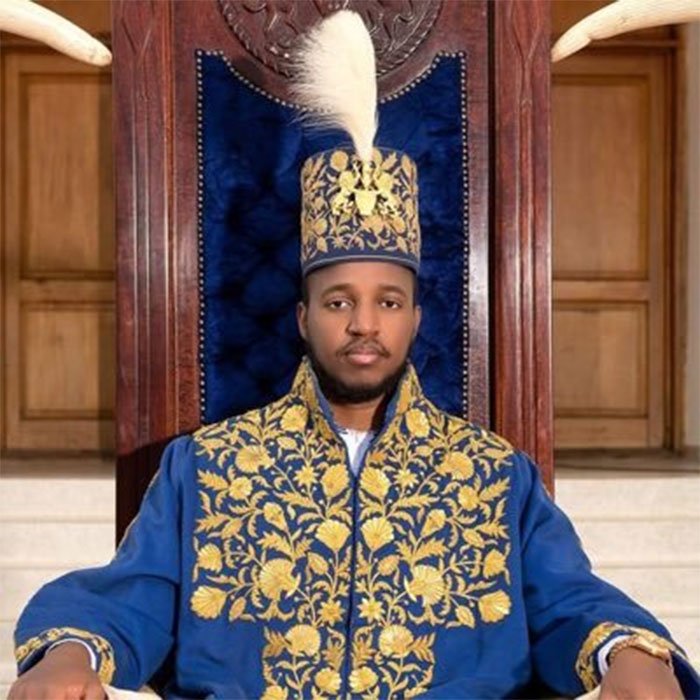

Omukama Oyo Nyimba Kabamba Iguru Rukidi IV, the 13th King of Tooro, has died at the age of 34, ending a historic reign that began when he was only three years old.
The Tooro Kingdom confirmed the death on Thursday night, bringing to a close the life of a monarch who spent almost his entire existence at the centre of the kingdom’s cultural and public affairs.
King Oyo had been receiving treatment in the United States after falling critically ill. Earlier on Thursday, the Tooro Kingdom authorities appealed for prayers and urged the public to disregard reports circulating on social media about his death until an official announcement was made.
By about 10 p.m., Tooro Kingdom Prime Minister Calvin Armstrong Rwomiire Akiiki announced that the King had died.
In his message, the Prime Minister described the death as an immeasurable loss and called for calm among the people of Tooro, saying: “Omukama Atulize. Enkuba Etutire.”
The announcement triggered an outpouring of grief across Uganda, particularly in the Tooro sub-region, where Oyo had served as the cultural leader of the Batooro for nearly three decades.
A King From Childhood
Born on April 16, 1992, to King Patrick David Matthew Kaboyo Olimi III and Queen Mother Best Kemigisa, Oyo became Omukama on September 12, 1995, following the sudden death of his father.
He was only three years old.
His accession made him internationally known as the world’s youngest reigning monarch, placing the young prince under intense public attention from an early age.
For years, his mother, Queen Mother Best Kemigisa, and kingdom officials played important roles in guiding the institution while the young monarch grew up.
Oyo later assumed greater responsibility for the kingdom as he reached adulthood and formally took over the running of its affairs at the age of 18.
His reign subsequently evolved beyond the symbolism of a child king. He became an important public figure in Uganda, representing Tooro at national and international events while championing initiatives aimed at improving the welfare of his subjects.
Beyond the Crown
King Oyo was involved in a range of social and development initiatives.
He served as a UNAIDS Global Ambassador for HIV/AIDS, using his position to promote awareness and encourage communities to confront the impact of the disease.
He also supported environmental conservation efforts, including initiatives linked to the River Mpanga, while promoting agriculture and development planning within the kingdom.
His leadership increasingly focused on positioning the kingdom as an institution capable of contributing to social and economic development while preserving the cultural identity of the Batooro.
The Future of the Tooro Crown
Despite the shock of his death, the Tooro Kingdom has indicated that the institution of the monarchy will continue.
Kingdom authorities said Oyo leaves behind a prince whose identity will be disclosed in accordance with Tooro customs.
Funeral arrangements were still being worked out late Thursday, with further details expected from the kingdom.
Oyo’s death comes nearly 31 years after his father’s death, which unexpectedly placed the three-year-old prince on the throne.
His reign therefore became inseparable from his personal journey—from a child monarch whose accession attracted global attention to an adult cultural leader who spent more than three decades representing the Tooro Kingdom.
At 34, King Oyo’s reign has ended far earlier than expected, leaving Tooro with the task of mourning its monarch while preparing for the next chapter of its ancient institution.