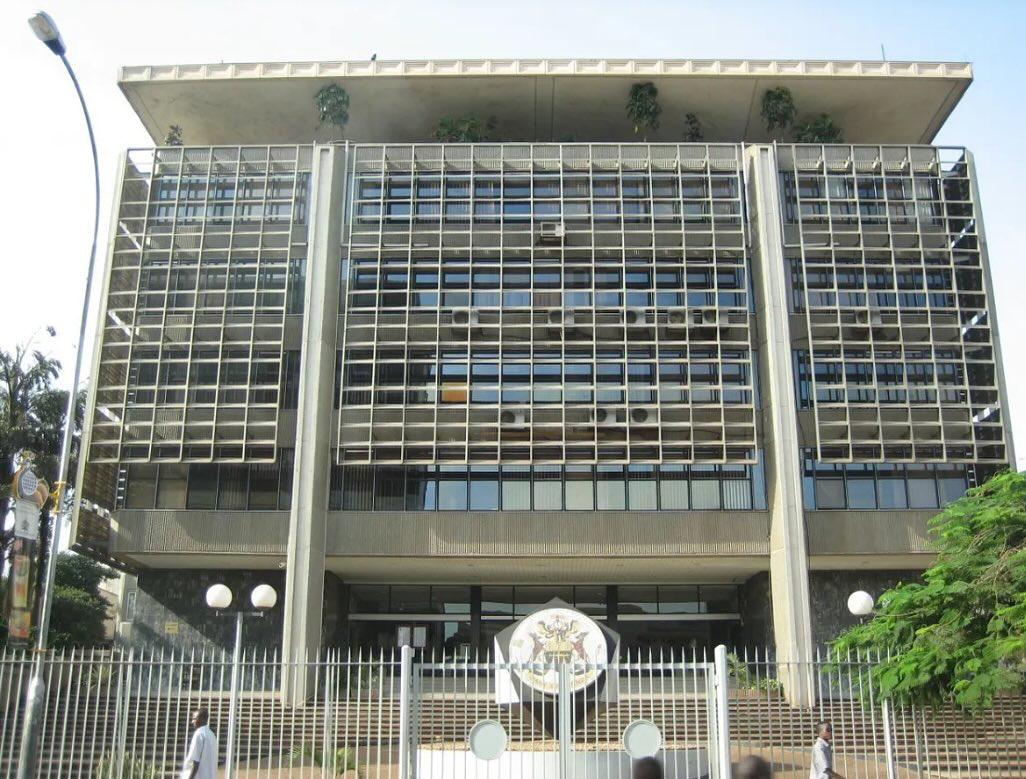

The Bank of Uganda kept its benchmark interest rate unchanged at 9.75% as policymakers weigh renewed energy and food-price pressures against a resilient economy and easing inflation risks.
The Monetary Policy Committee maintained the Central Bank Rate at its August meeting, opting for a cautious stance as higher fuel prices and a weaker shilling earlier in the year threaten to push inflation higher.
Annual headline inflation accelerated to 4.0% in July from 3.7% in June, driven primarily by rising Energy, Fuel and Utilities prices and an increase in food crop prices, the central bank said.
Energy, Fuel and Utilities inflation surged to 14.9% from 11.9%, reflecting higher petroleum prices and exchange-rate effects. Food crop inflation also increased to 1.6% from zero in June.
Still, the rise in prices has yet to become broad-based. Core inflation, which excludes some of the more volatile components, remained at 3.4%, while services inflation eased to 4.8% from 4.9%.
The central bank said inflation averaged 3.3% for both headline and core measures over the 12 months to July, supported by prudent monetary and fiscal policies.
Governor Michael Atingi-Ego said the inflation outlook has improved from the previous forecast, largely because international oil prices have fallen from their May peak. But continued volatility in global energy markets has complicated the near-term outlook.
The Bank of Uganda now expects core inflation to average 4.0% to 4.5% over the next 12 months, while headline inflation is projected at 5.5% to 6.0%.
The shilling has also stabilized after coming under depreciation pressure earlier in the year, easing one source of imported inflation.
Growth outlook strengthens
Uganda’s economy is showing stronger momentum, with growth estimated at 6.4% in fiscal 2025/26, according to the central bank.
Improved private-sector credit has supported household consumption and investment, while government spending has provided additional demand. The banking sector has also seen improving credit conditions as lending rates ease and asset quality strengthens.
The external position has improved as well. Uganda recorded a $2.4 billion balance-of-payments surplus in the 12 months through June, contributing to higher foreign-exchange reserves.
The central bank expects economic growth to accelerate to 7.0% to 7.5% in fiscal 2026/27 and reach about 8% over the medium term.
That expansion is expected to be driven by investment, remittances, exports and oil production, alongside continued implementation of the government’s Tenfold Growth Strategy.
But the outlook remains exposed to global risks, including elevated energy costs, trade disruptions, protectionism and geopolitical tensions. Adverse weather could also weaken agricultural output and push food prices higher.
A stronger-than-expected expansion in extractive-sector investment, improved global growth and continued credit expansion could provide upside to the growth forecast.
Cautious policy stance
The MPC said it needs more evidence on whether higher food and fuel prices will translate into broader inflation before considering another policy move.
“Clarity on the inflation outlook, particularly its path and underlying drivers, is needed before considering further policy action,” the central bank said.
The 9.75% Central Bank Rate will therefore remain in place, with the CBR corridor maintained at plus or minus two percentage points.
The rediscount rate remains at 12.75%, while the bank rate is 13.75%.
The decision underscores the central bank’s preference to preserve price stability while allowing economic activity to benefit from improving credit conditions and stronger investment.
The Bank of Uganda said future monetary-policy decisions will remain data-dependent, with policymakers closely monitoring global energy prices, exchange-rate developments, food supply and domestic demand.