
Uganda’s Human Rights Commission chairperson says President Museveni instructed her to return to office after rejecting her resignation, raising fresh questions over the commission’s leadership and accountability.
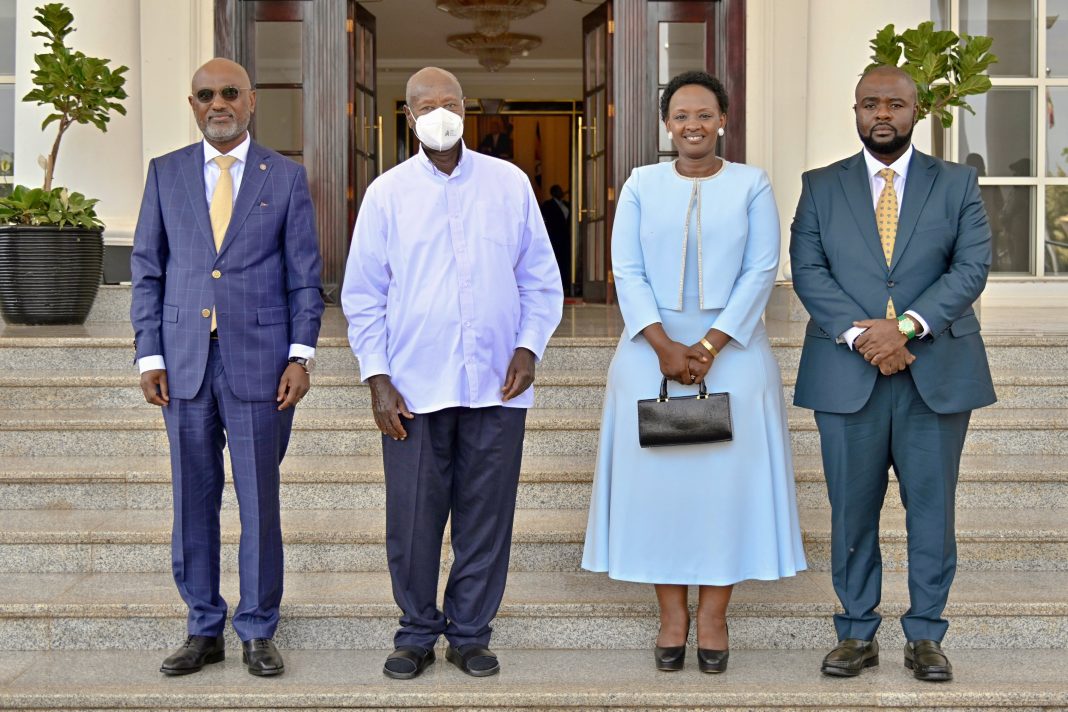
The chairperson of the Uganda Human Rights Commission (UHRC), Mariam Fauzat Wangadya, has told parliament that President Yoweri Museveni rejected her resignation and directed her to remain in office.
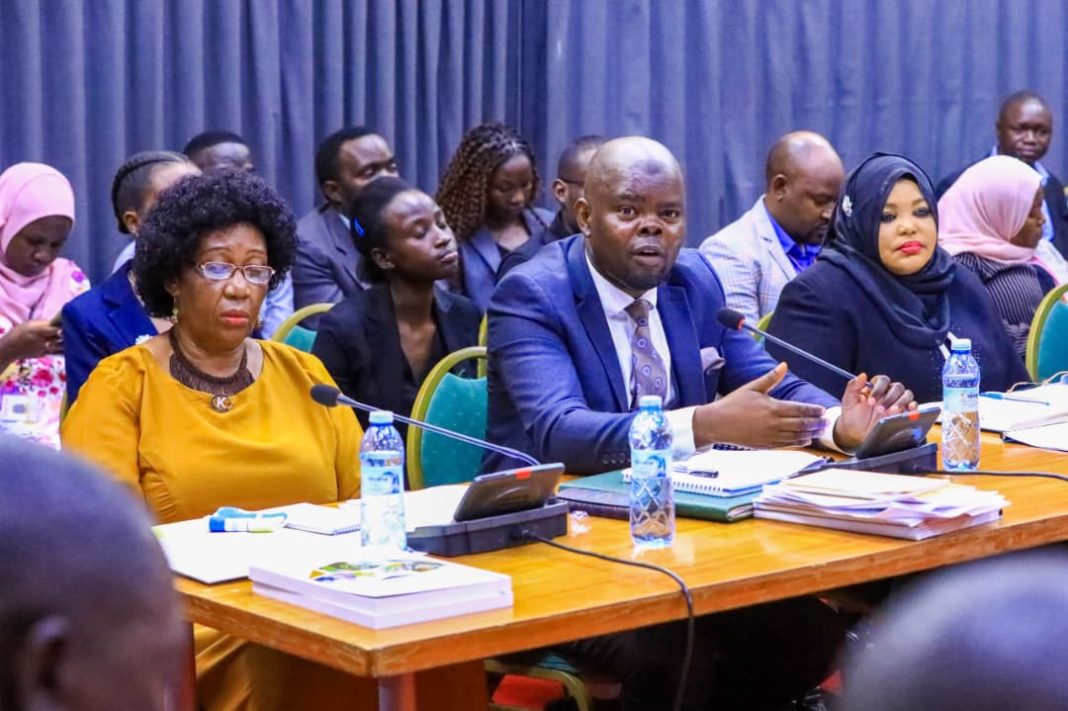
Wangadya disclosed on Tuesday, 11 August 2026, when she appeared before the parliamentary Committee on Commissions, Statutory Authorities and State Enterprises (COSASE) to answer questions arising from the Auditor General’s report.
Her appearance also settled, at least for the parliamentary proceedings, uncertainty over whether she remained the substantive head of the country’s human rights watchdog.
At the beginning of the hearing, COSASE chairperson Muwada Nkunyingi asked Wangadya to clarify whether she was appearing as the current UHRC chairperson or a former office holder.
“Now that you are here, we want to appreciate the capacity under which you appear, either as a former or the current,” Nkunyingi said, asking Wangadya to explain whether her reported resignation had been accepted or whether she had subsequently been reinstated.
Wangadya confirmed that she had submitted a resignation letter to Museveni but said the president had rejected it.
“It is true. I wrote a letter of resignation to His Excellency the President, and my resignation was rejected,” she told the committee.
She said the Attorney General had subsequently clarified the matter before parliament, informing lawmakers that her resignation had not been accepted and that she therefore remained the substantive chairperson of the UHRC.
“The Attorney General of this country addressed Parliament, and in his address, he very clearly said that my resignation had not been accepted, and that I remain the substantive chairperson of the Uganda Human Rights Commission,” Wangadya said.
According to Wangadya, however, she did not receive the president’s decision through a formal written communication. Instead, she said she was informed by telephone.
“The response I received from the appointing authority was through a phone call. It was not in writing,” she said.
Wangadya said she was instructed to return to the office immediately if she had already left, and that she complied with the directive.
“Sometimes His Excellency the President communicates through phone calls, and I was instructed, if I had left office, to return to office immediately,” she told the committee.
She said her decision to resume her duties was also consistent with the Attorney General’s position that her resignation had not been accepted.
“I respect the Fountain of Honour, so I am in office. I appear as the chairperson, not former chairperson,” Wangadya said.
The clarification came as Wangadya faced parliamentary scrutiny over the Auditor General’s findings concerning the UHRC.
Her appearance before COSASE followed an earlier decision by the committee to direct the Criminal Investigations Directorate (CID) to arrest and produce her before parliament after she failed to respond to two previous summonses.
The committee had sought her appearance to answer questions arising from the Auditor General’s report.
With Wangadya now before the committee, COSASE can proceed with its examination of the audit findings.
But the hearing has also brought renewed attention to the institutional position of the UHRC chairperson and the circumstances surrounding Wangadya’s attempted resignation.
The UHRC is mandated to promote and protect human rights in Uganda, making the independence and functioning of its leadership a matter of wider public interest.
Wangadya’s account places the president’s rejection of her resignation at the centre of the dispute, while her reliance on a telephone communication rather than a written decision leaves questions about how such changes in the status of a senior constitutional office holder are formally recorded.
For now, Wangadya maintains that she remains the substantive chairperson of the commission and appeared before COSASE in that capacity.