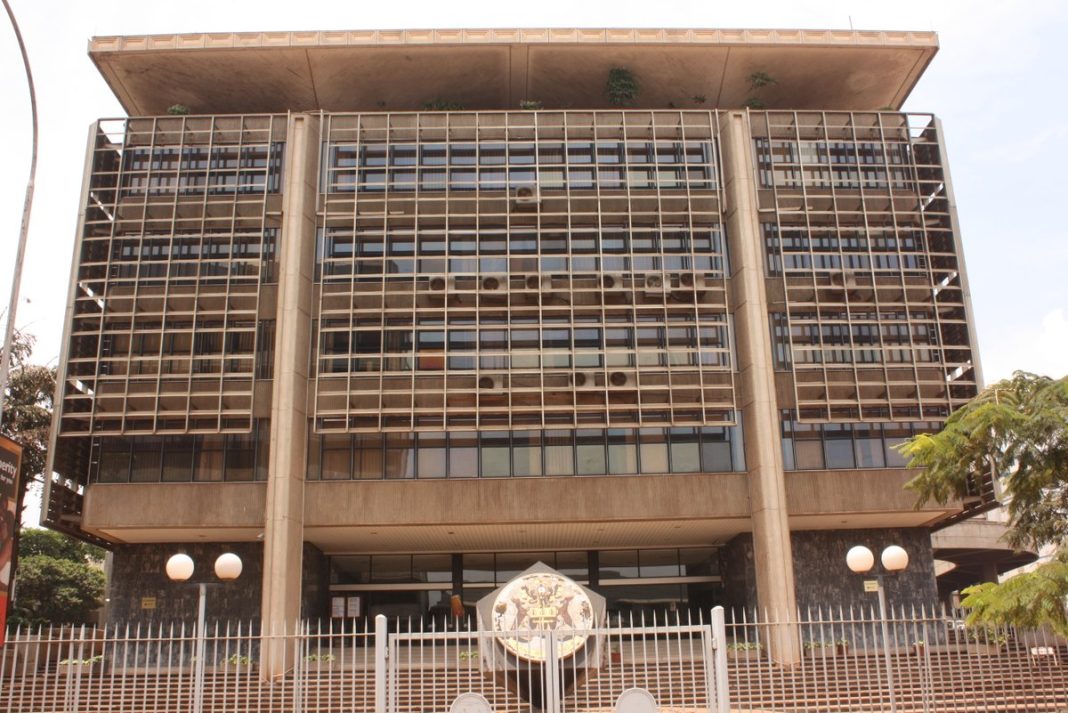

The central bank raised its benchmark interest rate by 225 basis points to 12% on Wednesday, citing rising inflation risks from higher global oil prices, a weakening shilling and escalating conflict in the Middle East.
The Bank of Uganda’s Monetary Policy Committee increased the Central Bank Rate from 9.75% after a special meeting, warning that external economic pressures could push inflation above its medium-term target of 5%.
“The inflation outlook has therefore been revised upwards on account of these factors,” Governor Michael Atingi-Ego said in a statement.
Headline inflation rose to 4.6% in September from 4.1% in August, driven by higher food crop and fuel prices. Core inflation, which excludes some volatile price movements, increased to 3.7% from 3.5%.
The central bank expects headline inflation to average between 7% and 7.5% over the next 12 months, while core inflation is projected at 5.5% to 6%.
“The fuel shock seems persistent,” Atingi-Ego said, warning that the combination of shilling depreciation and adverse weather conditions could entrench inflation if monetary policy failed to contain price pressures.
The Middle East conflict has disrupted shipping routes and increased international energy, freight and insurance costs, adding to pressure on the shilling and raising the cost of imported goods.
Uganda’s current account deficit widened by $1.4 billion to $4.6 billion, the central bank said, citing lower agricultural commodity prices, particularly for coffee and cocoa, reduced tourism receipts and higher external costs.
The goods trade deficit widened to $2.8 billion in the 12 months to August from $2.4 billion a year earlier, while the services deficit increased to $3.3 billion from $2.2 billion.
The bank also lowered its economic growth forecast for the 2026/27 financial year to 6.0%-6.5%, from an earlier projection of 7.0%-7.5%, citing tighter financial conditions, exchange rate depreciation and global uncertainty.
It expects growth to strengthen to an average of about 8% over the medium term, supported by private investment, exports and developments in the oil sector.
The rate increase follows a rise in the Cash Reserve Requirement to 13.5% from 11%, effective September 24, aimed at limiting excess liquidity in the banking system.
The rediscount rate was raised to 15%, while the bank rate increased to 16%.
The higher policy rate could increase borrowing costs for households and businesses if commercial banks adjust their lending rates, potentially weighing on credit demand and investment.
“The MPC will continue to assess domestic and global economic developments and stand ready to take additional measures, as warranted, to preserve price and financial stability,” Atingi-Ego said.