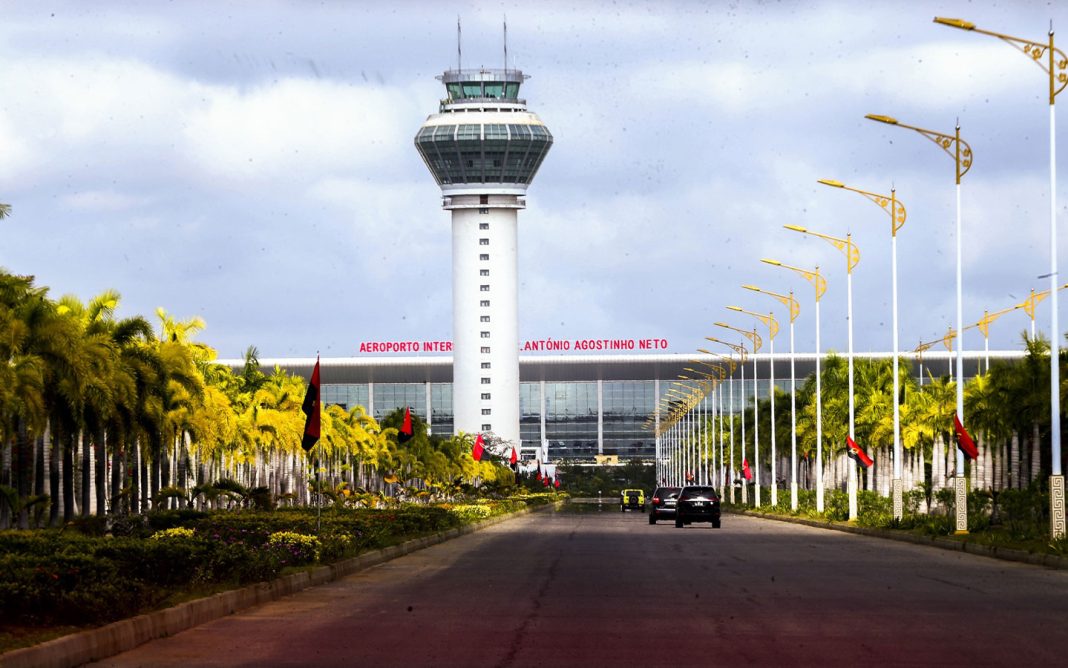

Istanbul carrier permanently removes Luanda from its network, deepening concerns over passenger demand at Angola’s ambitious new international gateway.
Turkish Airlines has permanently dropped Luanda from its international network, dealing another blow to Angola’s ambition to turn its new Dr António Agostinho Neto International Airport into a major African aviation hub.
The Istanbul-based carrier removed Luanda from its future schedules earlier this month, alongside Juba in South Sudan, Kinshasa in the Democratic Republic of Congo, Libreville in Gabon and Lusaka in Zambia. The five routes had previously been suspended until October 24, 2026, but are now no longer scheduled to return.
The decision comes just months after Turkish Airlines initially described the Luanda suspension as temporary, citing rising fuel costs. Its Luanda operation had linked Angola to Istanbul through a triangular service involving Kinshasa, giving passengers access to Turkish Airlines’ extensive European, Asian and Middle Eastern network.
A major airport with a surprisingly small passenger base
The withdrawal is particularly significant because it comes as Angola’s new airport struggles to attract the traffic it was designed to handle.
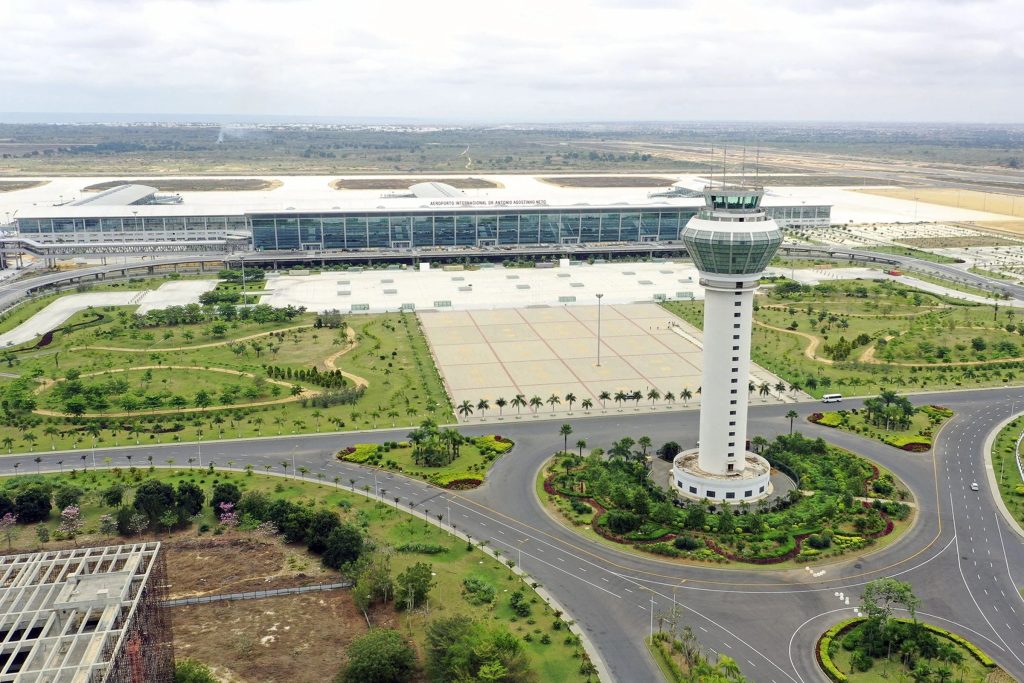
The Dr António Agostinho Neto International Airport, located roughly 40–45 kilometres from central Luanda, was designed with capacity for 15 million passengers a year and 130,000 tonnes of cargo. The Angolan government presented the facility as a major piece of infrastructure capable of transforming the country’s international connectivity.
But passenger numbers remain far below that capacity.
The airport handled 756,028 passengers throughout 2025, according to figures reported from the airport’s operator. That represents only about 5% of its designed annual passenger capacity.
The gap between infrastructure and demand is striking: an airport built to handle 15 million passengers annually processed fewer than 800,000 passengers in its first full year.
International airlines have already been retreating
Turkish Airlines is not alone in scaling back its Luanda presence.
Brussels Airlines ended its Luanda service in March 2025 as part of a wider Lufthansa Group restructuring, with passengers redirected towards Lufthansa’s Frankfurt–Luanda operation.
TAAG Angola Airlines also suspended its Madrid service in January 2024, a route that had been operated in partnership with Iberia. Iberia itself had suspended its Luanda flights years earlier and subsequently relied on a codeshare arrangement with TAAG.
The pattern raises a difficult question for Angola: can a state build an airport capable of handling millions of passengers before there is enough demand to fill it?
Airports depend not only on terminals and runways but also on airlines finding commercially viable routes, sufficient passenger demand, competitive operating costs and reliable connections.
The airport’s transition has taken longer than expected
The new airport was inaugurated in November 2023, but its passenger operations were introduced gradually.
Domestic passenger operations began later, while the full transfer of scheduled passenger services from Luanda’s old Quatro de Fevereiro Airport took much longer than initially anticipated.
The final transfer was completed on March 1, 2026, when South African carrier Airlink moved its Johannesburg operation to the new airport.
The airport is now attempting to build traffic around Angola’s national carrier, TAAG, and international airlines including TAP Air Portugal, Air France, Lufthansa, Royal Air Maroc, Ethiopian Airlines, Qatar Airways and Airlink.
Compagnie Africaine d’Aviation also began twice-weekly Kinshasa–Luanda flights in August 2026.
Angola still sees a future hub
Despite the setbacks, the airport’s long-term ambition remains substantial.
Angola has sought to position the facility as a gateway for international business, tourism and trade, particularly as the country attempts to diversify an economy historically dependent on oil.
Airport infrastructure specialists have also noted that large new airports can take years to build sufficient airline networks and passenger demand.
But the immediate numbers underline the scale of the challenge.
At 756,028 passengers in 2025, the airport was operating at only a fraction of its 15-million-passenger design capacity. Airport authorities have nevertheless projected that passenger traffic could rise to around 4 million in 2026.
The stakes are therefore bigger than the loss of one airline.
Turkish Airlines’ exit from Luanda is another signal that airport capacity alone does not create an aviation hub. Angola now faces the harder task of convincing airlines that enough passengers, cargo, tourism and business traffic exist to make the country’s new gateway commercially sustainable.
For a facility designed to serve 15 million passengers a year, the challenge is no longer building the airport.