
Uganda’s political conversation about the future has taken another step into the open, with the Patriotic League of Uganda (PLU) publicly calling on Gen. Muhoozi Kainerugaba to consider leading the country in 2031.
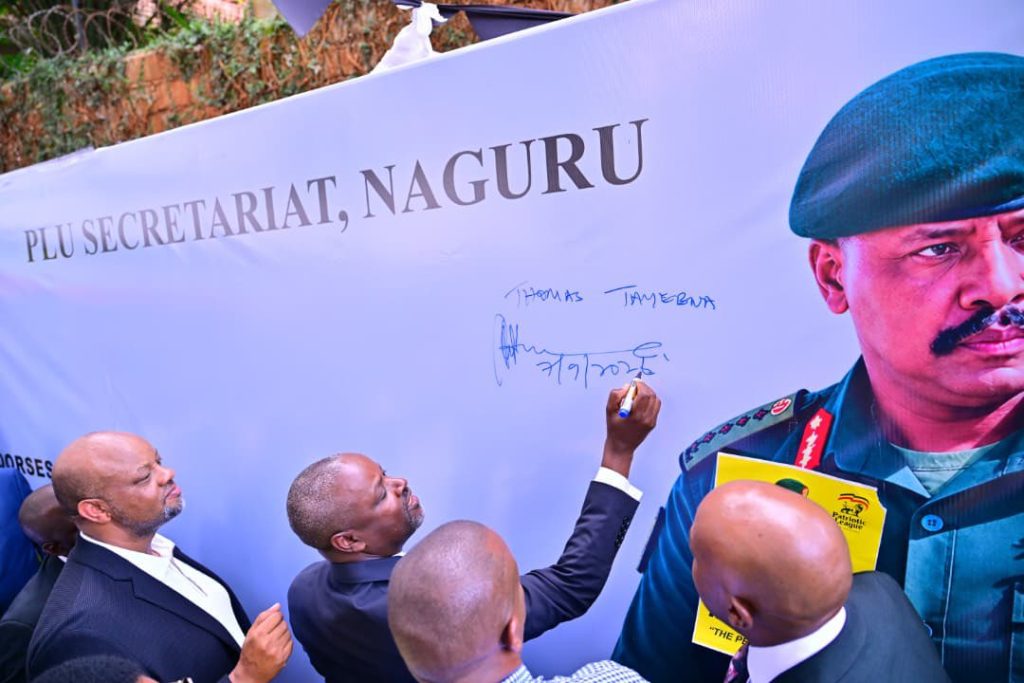
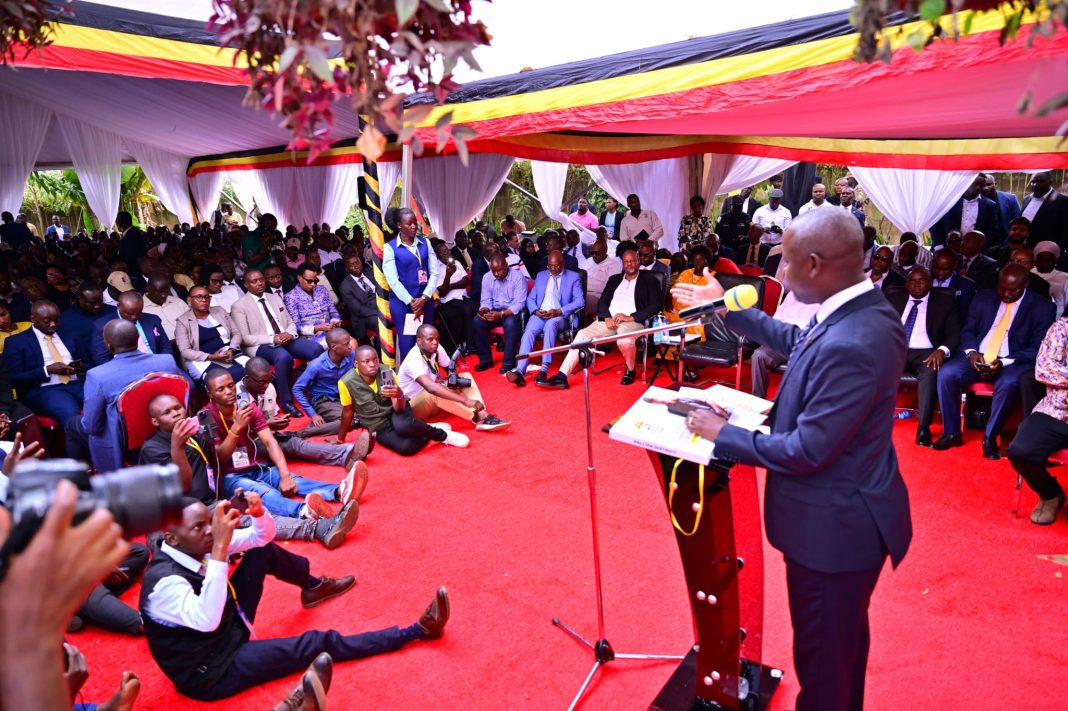
The endorsement, presented by PLU as a civic expression of confidence rather than a political party campaign, brought together ministers, Members of Parliament, senior citizens, members of the business community and other supporters.
The message was straightforward: citizens who identify with PLU’s values believe Kainerugaba could offer leadership after President Yoweri Museveni eventually retires, and they want him to consider their request.
But beneath the announcement lies a broader question about how Ugandans are beginning to discuss the country’s political future.
A Civic Platform Enters the Conversation
PLU has been careful to define its role.
The organisation says it is not a political party and describes itself as a civic platform focused on patriotism, national service, national development and the protection of Uganda’s interests.
It also maintains that it works alongside the National Resistance Movement rather than competing with it.
That distinction is important because political participation does not always take place exclusively through political parties.
Civic organisations, cultural institutions, professional associations, religious groups and community movements can all contribute to national conversations without necessarily becoming electoral organisations.
For PLU, the endorsement of Kainerugaba is being presented in that context — as an organised expression of confidence from citizens who want their preferred leader to consider a future role in national leadership.
Looking Beyond the Present
The significance of the announcement may ultimately lie less in the 2031 election itself than in the fact that Ugandans are already discussing the country’s longer-term political direction.
President Museveni has led Uganda since 1986, and the question of what comes after his presidency is naturally part of the country’s political conversation.
PLU’s intervention adds another voice to that discussion.
Rather than waiting for the formal electoral period, its supporters have chosen to express their preference early and publicly.
Whether that preference gains wider support remains a matter for Ugandan citizens and, ultimately, the country’s constitutional and electoral processes.
For now, it is a political statement of intent rather than an electoral outcome.
Muhoozi’s Emerging Public Profile
Kainerugaba’s public profile has expanded considerably beyond his military career in recent years, particularly through his involvement in public discussions about national development, patriotism and Uganda’s future.
His supporters point to his military service and public engagement as reasons for their confidence in his leadership.
The latest endorsement gives those supporters an organised platform through which to express that confidence.
At the same time, the response from other Ugandans will be important.
Political leadership in a democracy is ultimately tested not only by the enthusiasm of supporters but also by the ability to attract citizens with different views and priorities.
That broader national conversation is likely to develop over time.
The Politics of Looking Ahead
The PLU announcement does not determine Uganda’s political future.
It does, however, demonstrate that sections of Ugandan society are already thinking about the leadership question beyond the present administration.
Its emphasis on patriotism, national service and development also reflects themes that have featured prominently in Uganda’s political discourse for decades.
The challenge for any movement seeking to influence the country’s future will be translating those broad ideals into practical questions: economic opportunity, employment, national unity, security, public services and accountable leadership.
For PLU, the immediate task is therefore not simply to endorse a name.
It is to demonstrate what its civic vision means in practice and why the leadership it supports would advance that vision.
The 2031 question remains open.
But one thing is already clear: Uganda’s conversation about its political future has begun well before the next presidential election — and PLU has chosen to make its position known.