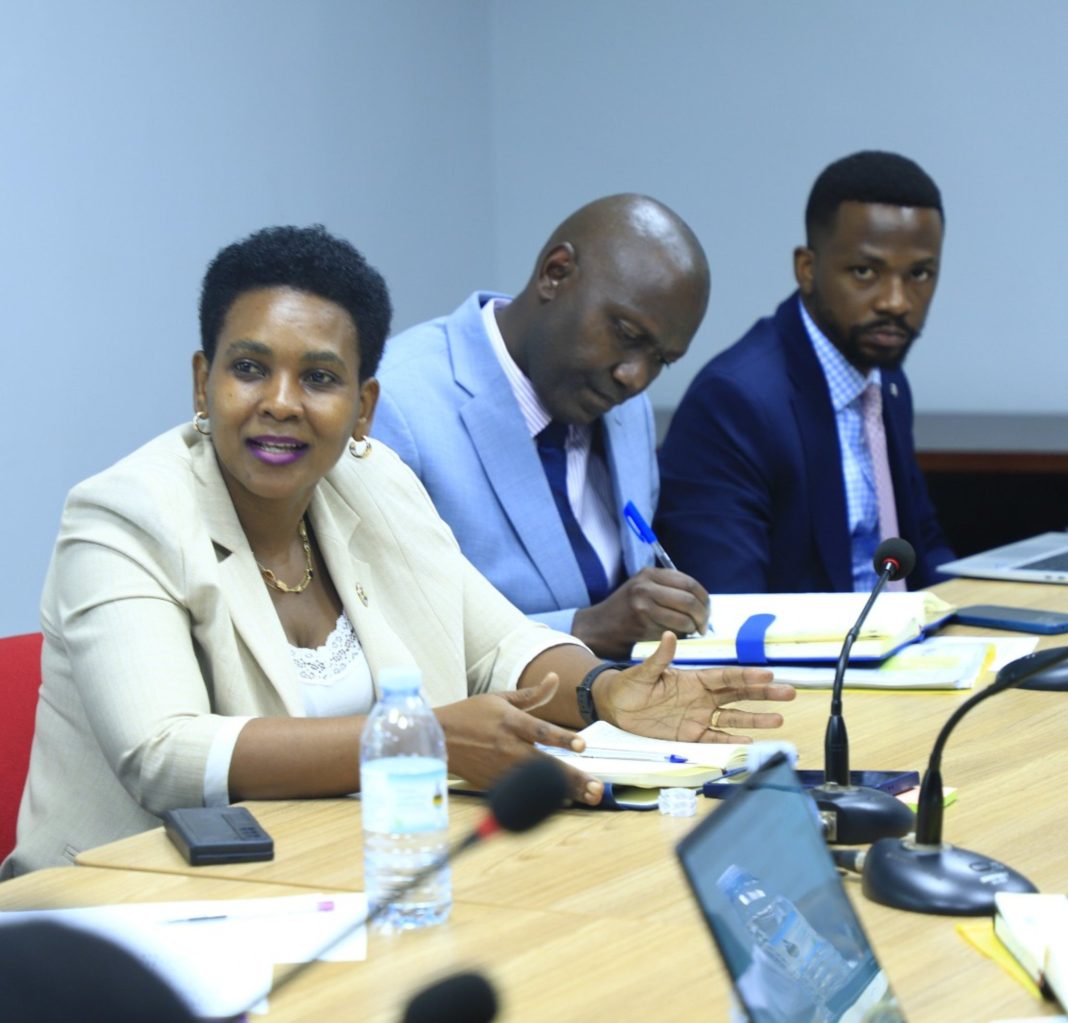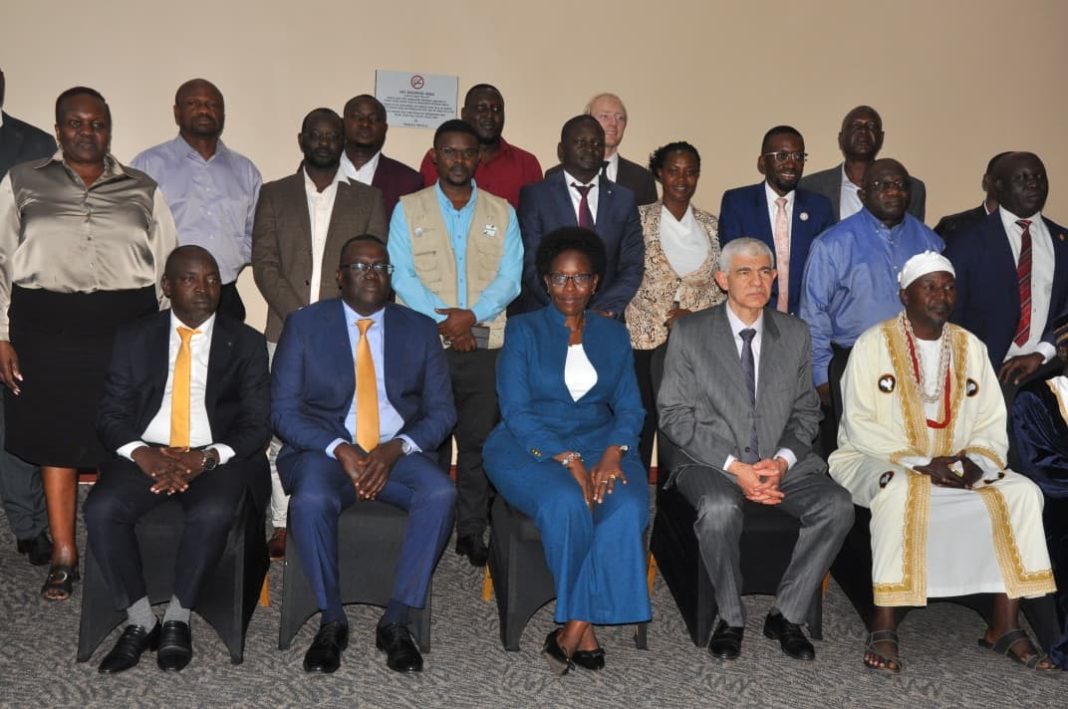

Uganda has launched a three-year project aimed at strengthening food systems and helping farming and pastoral communities cope with climate change, Lands Minister Judith Nabakooba said on Thursday.
The Accelerating Food Systems Transformation for Resilience to Climate Change in Africa project will focus on land tenure security, livestock value chains, index-based livestock insurance and climate-land information systems.
The initiative was launched at a national inception workshop in Entebbe and is supported by the United Nations Economic Commission for Africa, the African Union, the Intergovernmental Authority on Development and other development partners.
Nabakooba said climate change was putting pressure on livelihoods, food security and economic growth through droughts, floods, land degradation and conflicts over natural resources.
“Resilient food systems require secure land rights, reliable climate information, sound policies and strong institutions working together,” she said.
Uganda’s economy is heavily dependent on agriculture, making the sector particularly vulnerable to changing weather patterns and other climate-related disruptions.
Nabakooba said land governance was an important part of the country’s climate adaptation efforts because secure land tenure can encourage investment, improve agricultural productivity and reduce land-related disputes.
The Ministry of Lands, Housing and Urban Development is participating in the project as part of efforts to improve land administration, strengthen security of tenure and expand access to land information, she said.
“Our Ministry continues to advance reforms that improve land administration, promote responsible land management and enhance access to land information,” Nabakooba said.
The project is expected to generate evidence to inform policy reforms and investment decisions related to climate adaptation and food systems.
The livestock component will examine value chains and insurance mechanisms that could help pastoral communities manage climate-related risks, while climate-land information systems are expected to support planning and decision-making.
Nabakooba urged government agencies, local authorities, researchers, development partners, civil society groups and the private sector to work together during implementation.
She also called for the project’s findings to be translated into policy and investment decisions.
“The findings from this project should not remain on paper. They should inform better policies, guide future investments and strengthen decision-making at both national and local levels,” she said.
The government said it would work with development partners during the three-year implementation period to strengthen land tenure security, improve climate and land information systems and build national capacity to respond to climate-related challenges.