
Speaker urges stronger international cooperation to improve climate resilience and water security
Uganda needs stronger international cooperation and practical solutions to address climate change and water security challenges, Speaker of Parliament Jacob Oboth Oboth has said.
Oboth made the remarks while briefing a delegation of lawmakers ahead of an international parliamentary conference on climate change in Islamabad, Pakistan, scheduled for October 19–20, 2026.
He said Uganda’s engagement with other countries should go beyond diplomatic discussions and produce tangible outcomes that support national development, particularly in climate resilience, water security and the sustainable management of natural resources.
“This team’s participation is very critical in our journey of advancing practical solutions to climate change and water security challenges that affect our people,” Oboth said.
The Speaker emphasised that parliamentary diplomacy should complement traditional diplomatic channels in strengthening Uganda’s bilateral relations and creating opportunities for cooperation and knowledge exchange.
He urged the delegation to prioritise Uganda’s national interests and pursue recommendations that could help the country respond more effectively to climate-related challenges.
Oboth also stressed the need for the lawmakers to participate constructively in international discussions while maintaining diplomatic protocol and representing the country with integrity, patriotism and professionalism.
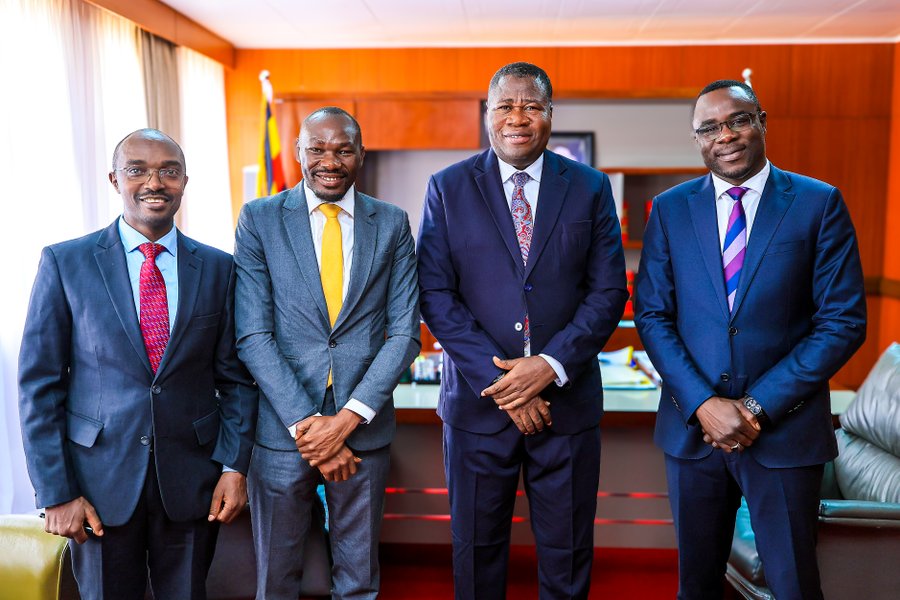
The delegation comprises MPs Bagiire Aggrey Henry, Owino Nicholas, Namutaawe Joan and Ogama Alli Ismail, alongside technical staff led by Dr Deo Arinaitwe Rugyendo.
The conference in Pakistan is expected to provide a platform for parliamentarians to engage on climate change and explore possible areas of cooperation. For Uganda, the engagement presents an opportunity to exchange knowledge and identify approaches that could inform national responses to climate and water-related challenges.
Water security is closely linked to agriculture, public health, livelihoods and economic development. Climate-related pressures on water resources can affect farming communities, food production and access to reliable water supplies, making adaptation and sustainable resource management important policy priorities.
Oboth said the ultimate objective of the engagement should be to translate dialogue into stronger bilateral cooperation and actionable recommendations that contribute to Uganda’s climate resilience and sustainable development.
His remarks underline the importance of using parliamentary diplomacy not only to strengthen international relations but also to pursue practical solutions to challenges affecting Ugandan communities.