
East African countries have been urged to strengthen project preparation, financial planning and regional cooperation to turn climate priorities into viable investments capable of attracting funding and delivering measurable development outcomes.
The call emerged at the eighth East Africa Climate Finance Directors’ Meeting held in Kampala this week, where delegates shifted discussions towards practical steps for converting climate ambitions into bankable projects.
The two-day meeting focused on preparing climate investment projects, developing regional project concept notes and identifying priority investment opportunities with the potential to deliver national and cross-border benefits.
Discussions highlighted the importance of building a pipeline of well-prepared projects that can attract financing while addressing the region’s growing vulnerability to climate-related shocks.
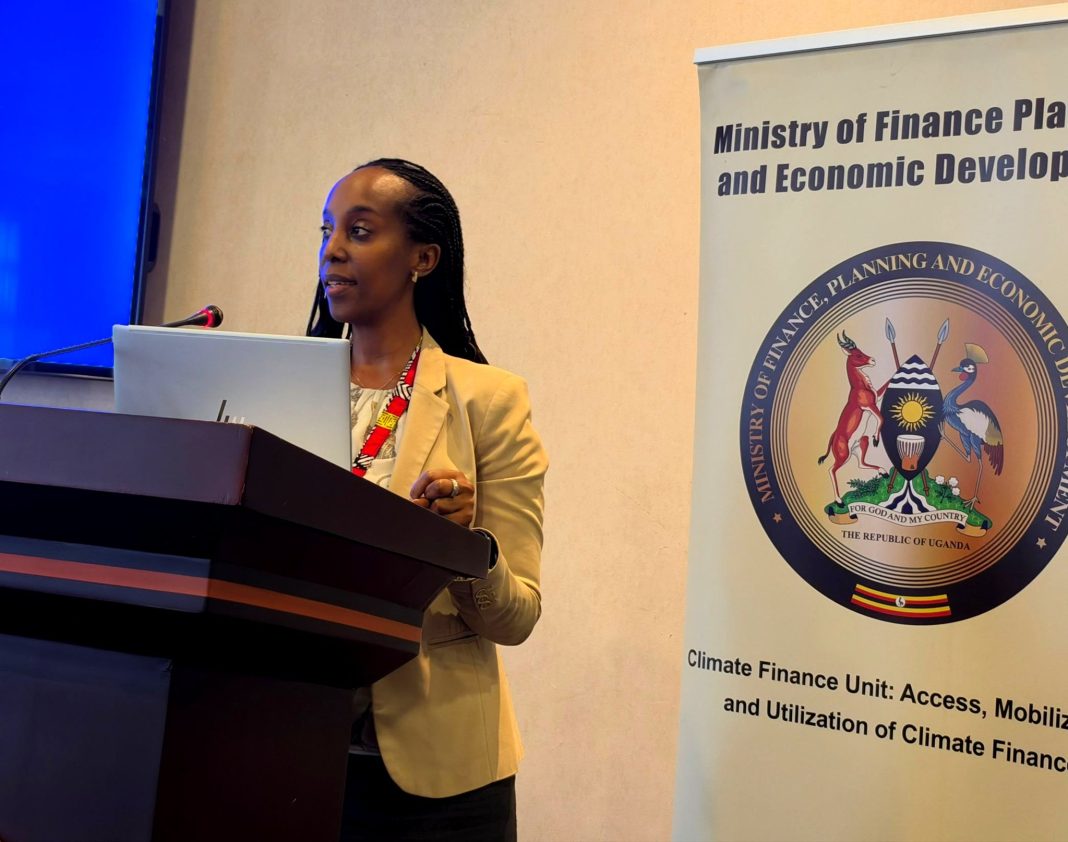
In her closing remarks, Gloria Gasasira, Director of Financial Markets Development at the Bank of Uganda, said climate change poses risks to financial stability because extreme weather events can disrupt economic activity and weaken borrowers’ ability to repay loans.
She noted that droughts and floods can reduce production, affect prices and undermine repayment capacity, making climate risk an increasingly important consideration for financial institutions.
Gasasira said climate-related investments must be supported by credible financing plans, clear business models, reliable revenue streams, capable partners and appropriate risk management frameworks to attract investors.
Her remarks underscored the need to connect climate policy with financial-sector realities, ensuring that projects designed to address environmental challenges are also commercially and financially sustainable.
For East African economies, where agriculture and other climate-sensitive activities support livelihoods and economic production, climate shocks can affect businesses, household incomes and the quality of loan portfolios held by financial institutions.
The discussions also pointed to the importance of regional cooperation in identifying investment opportunities whose benefits extend beyond national borders, particularly where countries share climate risks, natural resources and economic infrastructure.
However, identifying priority projects is only one stage of the process. Governments and their partners must also develop detailed feasibility studies, establish financing structures, assess risks and demonstrate how proposed investments will generate economic, social and environmental returns.
The meeting concluded with a broader message: East Africa’s climate finance challenge extends beyond mobilising funds. It also requires stronger institutions, a pipeline of investment-ready projects, suitable financial instruments and regional mechanisms capable of directing available capital towards impactful development.
Turning those priorities into implementation will be critical to ensuring that climate finance delivers tangible benefits for communities and economies across the region.