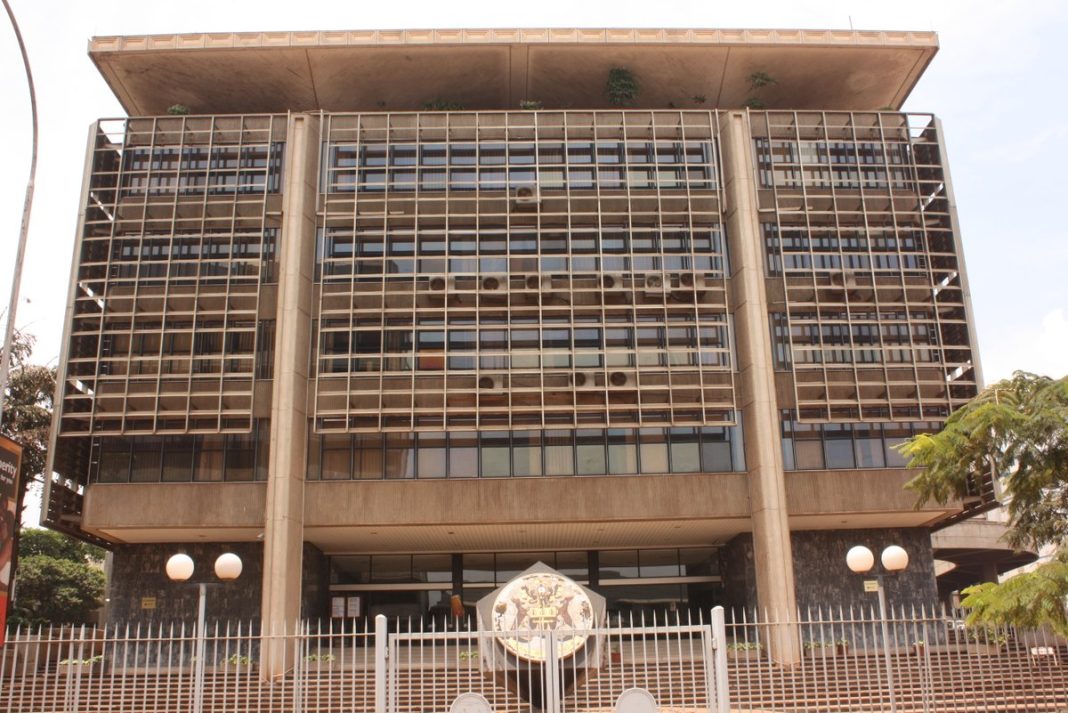

Uganda Revenue Authority (URA) has set January 1, 2027, as the date from which taxpayers whose records have been updated will begin accessing their tax accounts using their National Identification Number (NIN) or entity registration number, as the authority moves away from TIN-based login credentials.
URA says the transition will not invalidate existing Tax Identification Numbers (TINs), but will change how taxpayers identify themselves when accessing its systems.
“The TIN will remain valid; only the login and identification process will change,” URA says in its guidance to taxpayers.
The authority, however, warns that taxpayers who have not completed the transition will lose access to its system once the new identification system is fully rolled out, until their records are updated.
“At full rollout, TINs will no longer be recognised as taxpayer login identifiers,” URA says.
The guidance does not explicitly state whether January 1, 2027, is the final cutoff for taxpayers whose records remain unmapped, leaving some uncertainty over the precise deadline for completing the transition.
NIN becomes central to tax registration
The reform makes the NIN increasingly central to tax registration for individual Ugandan taxpayers, linking access to URA services to identification records held by the National Identification and Registration Authority (NIRA).
For existing individual taxpayers who do not have a NIN, URA says they must first obtain one from NIRA before completing the transition.
“If you do not yet have a NIN, please visit the nearest NIRA office for assistance with registration and issuance,” URA says in its Ask URA Commissioner General column published on September 25, 2026.
URA’s July–September newsletter says tax registration has been simplified to require “only the NIN”, a change the authority says is intended to make formalisation easier for small traders, farmers and artisans.
But the publications reviewed do not specify how long taxpayers should expect to wait for a NIN or whether an interim arrangement will be available to people who have applied but are still waiting for their identification number.
That creates a potential dependency for new taxpayers: delays in NIRA’s identification process could also delay access to tax registration and transactions that require registration with URA.
URA links reform to formalisation and jobs
URA says the shift to NIN-based identification is also part of a broader government effort to bring more businesses and individuals into the formal economy.
Christine Mirembe, URA’s Assistant Commissioner for Client Services, told New Vision that the reform was part of what she described as the government’s effort to “end unemployment”.
She said formal registration could help small businesses enter formal markets, compete for government contracts and access credit.
The reform therefore goes beyond changing the way taxpayers log into URA’s online system. It is also intended to create a more integrated identification framework between government agencies and make it easier for individuals and businesses to participate in the formal economy.
TINs are not being abolished
The distinction between the TIN and the new login system is important.
URA is not cancelling existing TINs. Instead, the authority is changing the identifier taxpayers will use to access its digital services.
Taxpayers who have already had their records updated will use their NIN, while entities will use their registration numbers. Existing TINs will continue to remain valid for tax purposes.
The immediate concern for taxpayers, therefore, is not losing their TIN but ensuring that their records are successfully linked to the new identifiers before full rollout.
The Ministry of Finance is expected to provide Parliament with a statement on the transition during the House’s October 6–8, 2026, business.
For taxpayers, the message from URA is straightforward: keep your TIN, but make sure your taxpayer record is updated before the new login system becomes mandatory.