
Judiciary has deployed 100 judicial officers to clear 346 Parliamentary and Local Council election petitions arising from the 2026 General Elections, with hearings set to begin next week.
The Judiciary is mounting a special push to expedite the resolution of election disputes, assigning 48 High Court judges and 52 Chief Magistrates to handle hundreds of petitions pending across the country.
The 100 judicial officers will handle a combined 346 cases before 30 High Court circuits, the Civil Division and 26 Chief Magistrates Courts.
High Court judges have been assigned 157 petitions, while Chief Magistrates will handle 189 cases.
The High Court hearings are scheduled to begin on Monday, September 14, 2026, and continue until Friday, November 13, while petitions before the Chief Magistrates Courts will commence on September 21 and are expected to be concluded by October 30.
The petitions stem from disputes arising out of Uganda’s 2026 General Elections, placing the Judiciary at the centre of the next stage of the electoral process as candidates and voters seek legal resolution to contested results.
Election Petitions Take Priority
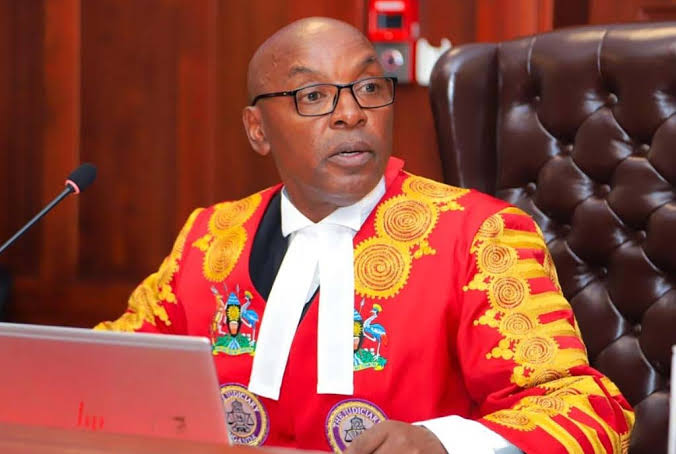
In Administrative Circular No. 5 of 2026, Principal Judge Lady Justice Jane Frances Abodo directed the assigned judicial officers to give the election petitions their full attention.
She urged the judges and magistrates to avoid other commitments that could interfere with the specially designed hearing programme.
During the period, election petitions will take precedence over ordinary judicial assignments.
The directive signals an effort by the Judiciary to prevent election disputes from becoming prolonged legal battles, particularly in cases where contested results have implications for political representation.
Lady Justice Abodo also called for firm case-management measures to keep the hearings moving.
“Cases should be fixed promptly and, where practicable, heard on consecutive days. Unnecessary adjournments should be avoided, interlocutory applications handled expeditiously and court directions strictly enforced,” she said.
Masaka Leads High Court Caseload
Masaka High Court has the largest concentration of petitions, with 21 cases assigned to five judges.
The Civil Division follows with 17 petitions allocated to four judges, while Mukono High Court has 14 petitions to be handled by three judges.
At Iganga High Court, three judges have been assigned to hear 13 petitions.
Mbarara High Court has 10 petitions before three judges, while another 10 petitions at Wakiso High Court will be handled by two judges.
The distribution reflects the Judiciary’s attempt to match judicial capacity with the concentration of election disputes across different jurisdictions.
Chief Magistrates Face 189 Petitions
The Chief Magistrates Courts will handle an even larger share of the caseload, with 189 petitions assigned to 52 judicial officers.
Makindye Chief Magistrates Court has the highest number, with 31 petitions to be handled by eight judicial officers.
Kawempe follows with 20 petitions assigned to five Chief Magistrates, while Nabweru has 17 petitions divided among four officers.
Mengo has 16 petitions to be handled by four judicial officers, while Kira has 15.
The concentrated hearing schedule is intended to ensure that disputes arising from the elections are determined without unnecessary delays.
For the Judiciary, the challenge will be to balance speed with the need to give every petitioner and respondent a fair opportunity to present their case.
With hundreds of electoral disputes now entering the courts, the coming weeks will provide a major test of the Judiciary’s ability to deliver timely decisions while maintaining due process and public confidence in Uganda’s electoral justice system.