
Dear Editor,
I am not sure whether I am the only citizen who sometimes struggles to understand the Government’s immediate and most urgent priorities at the national level. Through my frequent visits to various Government agencies on different assignments, I have observed what I believe deserves greater public discussion: how Government institutions allocate resources to different needs.
For instance, in some Government offices, there are supplies of condoms readily available for staff. While I recognize that sexual and reproductive health programmes are important and that Government has a responsibility to protect its employees from preventable diseases, I believe there is an equally urgent need to address challenges affecting vulnerable school-going children.
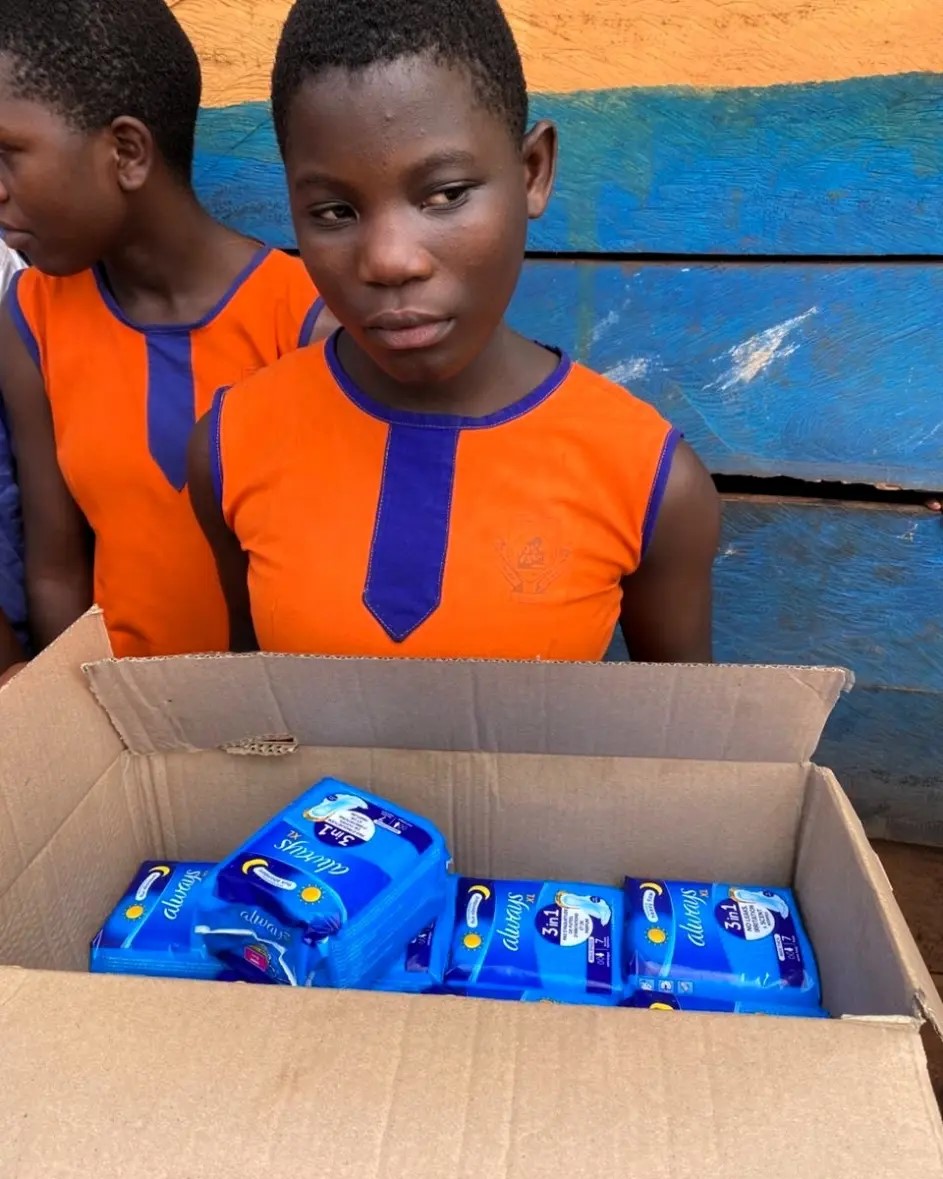
One such challenge is access to sanitary pads. Many girls from low-income households struggle to obtain menstrual hygiene products, and some are forced to miss school during their periods because their families cannot afford to provide them. This raises an important question: are we allocating enough resources to the needs that most directly affect vulnerable citizens, particularly children?
I would encourage Government to give a greater investment in menstrual hygiene programmes for disadvantaged schoolgirls, alongside existing public-health interventions. Supporting girls to remain in school should be treated as an investment in Uganda’s human capital and future workforce.
This is not an argument against providing essential health supplies to Government employees. Rather, it is a call for Government to continually assess whether its resources are reaching citizens who face the greatest barriers to accessing basic necessities. A girl should not have to miss school because her family cannot afford sanitary pads. If Government can support health and welfare needs within its institutions, it should also ensure that vulnerable children in our communities are not left behind.
I therefore appeal to policy makers to review existing programmes and budgets and give greater attention to menstrual health, girls’ education and the basic needs of vulnerable households. The question we should continually ask is: what are the most urgent needs of ordinary citizens, and are our public resources being directed accordingly?
Namiiro Frank
Buziga, Makindye Division
Kampala