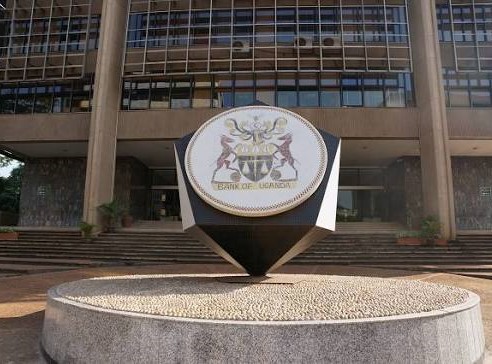

When the Bank of Uganda opened its doors on August 15, 1966, Uganda was only four years into independence and the country was beginning the difficult transition from colonial monetary administration to a national financial system.
Sixty years later, the institution has passed through political upheaval, economic collapse, currency crises, structural adjustment, liberalisation, financial-sector reform and the digital transformation of banking.
At the centre of that history have been the men appointed to lead the central bank.
The Bank of Uganda was formally established on July 1, 1966, under the Bank of Uganda Act, and inaugurated on August 15 that year. It replaced the East African Currency Board, taking over responsibility for Uganda’s currency, reserves and monetary affairs.
Since then, 11 individuals have served as Governor, although Charles Nyonyintono Kikonyogo served in two separate periods. The succession tells a story that closely mirrors Uganda’s own economic and political journey.
Joseph Mary Mubiru: The founding Governor, 1966–1971
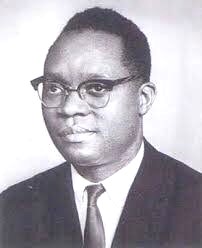
The story begins with Joseph Mary Mubiru, Uganda’s first central bank governor.
Mubiru was not simply appointed to inherit an established institution. He helped create it. Before becoming Governor, he chaired the committee responsible for establishing Uganda’s central bank. He had earlier served as General Manager of the Uganda Credit and Savings Bank and became the first Managing Director of Uganda Commercial Bank in 1965.
Born in 1929 in what is now Kalungu District, Mubiru studied economics at the University of Kerala in India and later obtained a master’s degree from New York University. He also worked with the United Nations Economic Commission for Africa and contributed to the establishment of the African Development Bank.
He became Governor when the Bank opened in August 1966 and spent his five-year tenure establishing the institutional foundations of Uganda’s central banking system.
The Bank of Uganda credits him with laying the foundation on which subsequent governors built the institution’s mandate and professional standards.
His life, however, ended tragically. After leaving the Bank in 1971, Mubiru was appointed an adviser to the IMF but was abducted and murdered in 1972 during the Idi Amin era. The Bank later established the Joseph Mubiru Memorial Lecture in his honour.
Simeon Moses Kiingi: From central banking to international finance, 1971–1973
Simeon Moses Kiingi succeeded Mubiru in August 1971.
Before becoming Governor, Kiingi had served as Managing Director of the Produce Marketing Board. His tenure coincided with the early years of the Idi Amin regime, a period that would soon subject Uganda’s economy and institutions to severe political and economic pressures.
After leaving the governorship in 1973, Kiingi moved into government service as a Minister of State in the Ministry of Finance. He later served as Uganda’s Executive Director at the IMF and became the first Director General of COMESA.
His career therefore extended well beyond the central bank, linking Uganda’s domestic financial administration with major international and regional institutions.
Onegi Obel: The economist who rose from deputy governor, 1973–1978
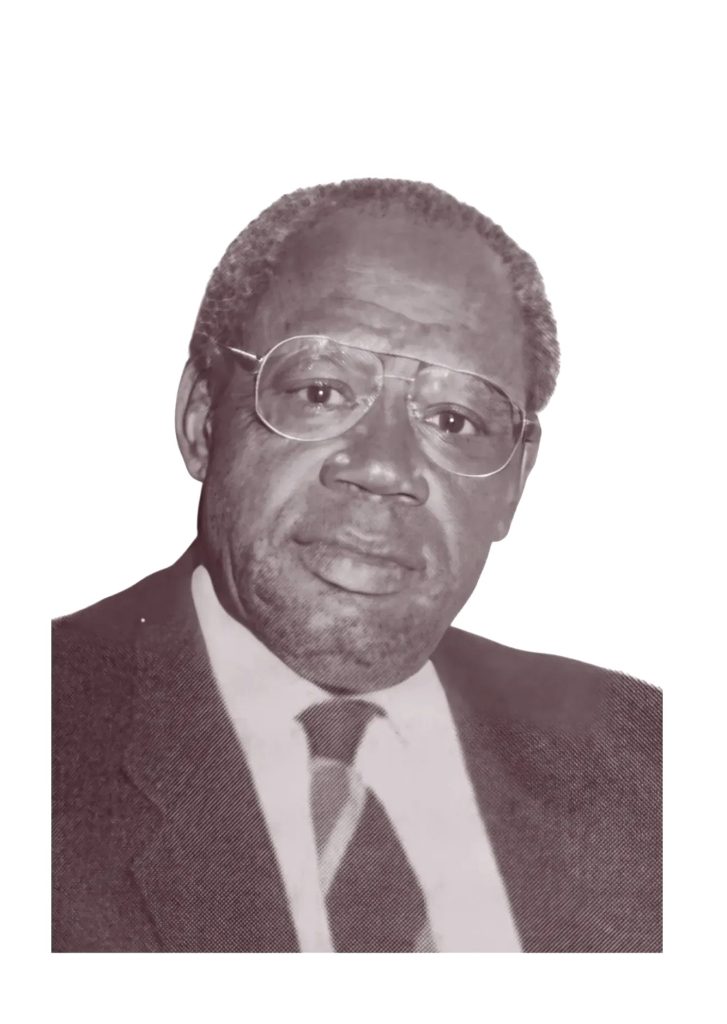
Angelo Onegi Obel became Governor in 1973 after previously serving as Deputy Governor.
Born in 1932 in West Nile, Obel studied economics and eventually obtained a master’s degree in economics from the University of Toronto. He began his career in government before becoming Commissioner for Taxation in the Ministry of Finance.
He joined the Bank of Uganda as Deputy Governor in 1968 and became Governor in 1973.
Obel’s five years at the helm coincided with some of the most difficult years of Uganda’s economic history. The Amin government had introduced policies that severely disrupted the economy, while the expulsion of Uganda’s Asian community and growing state control created profound consequences for commerce, banking and investment.
After his governorship, Obel remained active in public affairs and later became a member of the Constituent Assembly that drafted Uganda’s 1995 Constitution. He died in 2008.
Henry Muganwa Kajura: A brief spell before a long public career, 1978–1979
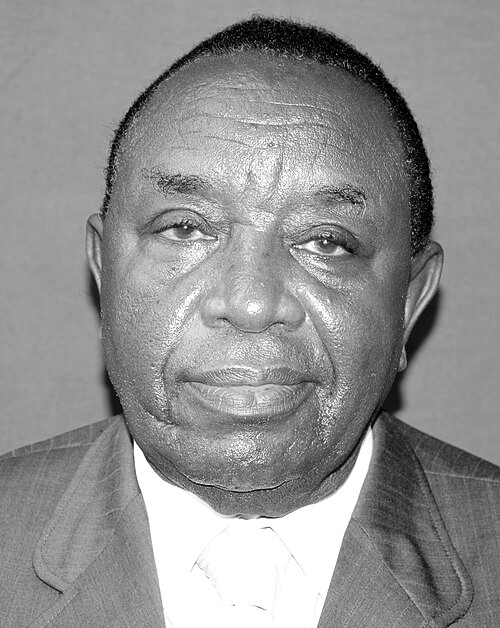
Henry Muganwa Kajura had one of the shortest governorships in Bank of Uganda history.
He served from September 1978 to February 1979. Before taking over the central bank, Kajura had been Managing Director of Uganda Commercial Bank and had earlier worked in senior financial and development positions.
His subsequent career was much longer and more politically prominent than his time at the central bank. After the National Resistance Movement came to power, Kajura became a senior government minister and eventually First Deputy Prime Minister.
His brief period as Governor nevertheless places him among the officials who guided the Bank during one of Uganda’s most turbulent political transitions.
Charles Nyonyintono Kikonyogo: The governor who returned twice
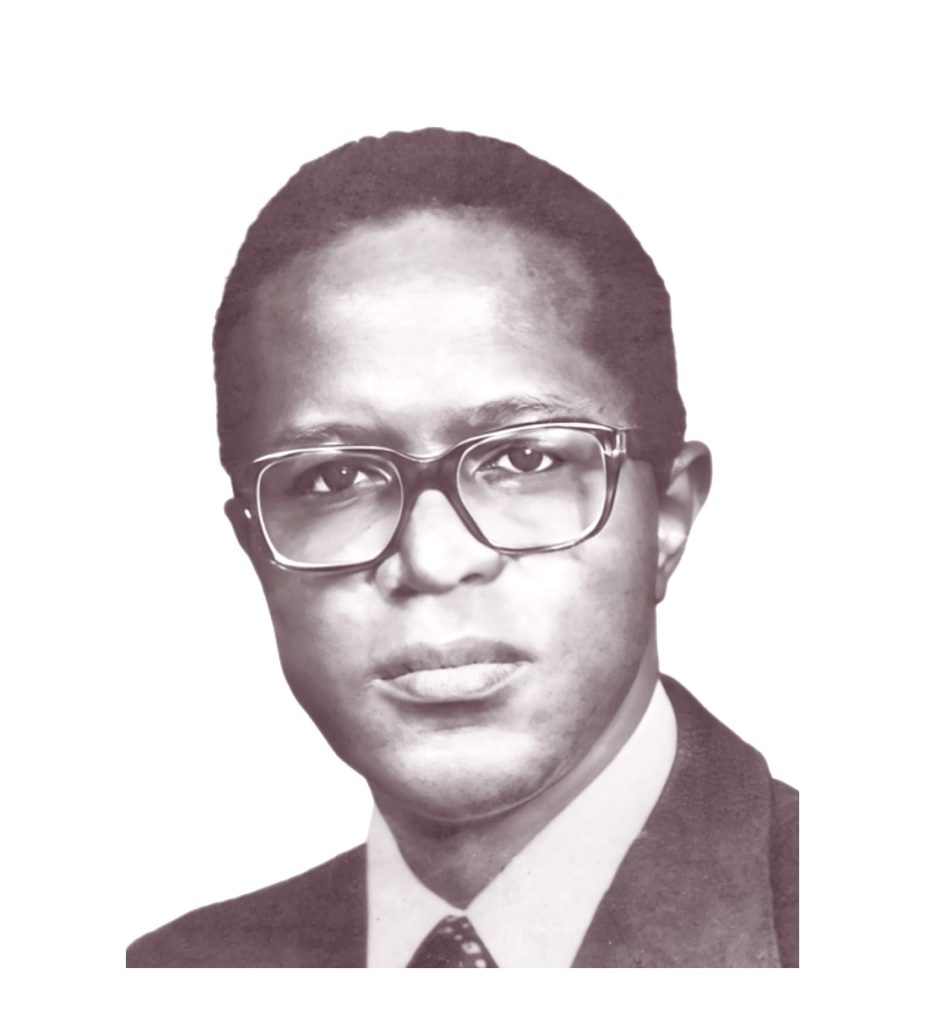
Charles Nyonyintono Kikonyogo occupies a unique place in the Bank’s history because he served as Governor twice.
His first tenure lasted only a few months in 1979, from February to April, before political events again disrupted the country’s institutions.
Kikonyogo had joined the Bank of Uganda in 1967 as a banking officer and steadily rose through its ranks. He became Exchange Controller, Deputy Governor and eventually Governor.
After his first governorship, he left Uganda and became Governor of the Bank of Botswana from 1981 to 1987. He subsequently returned to Uganda and worked in the private sector before being appointed Governor of the Bank of Uganda again in 1990.
His second tenure, lasting until 2000, coincided with Uganda’s shift from economic crisis towards liberalisation and a more market-oriented financial system.
The period also witnessed major changes in banking regulation. The Bank’s powers were strengthened through the Bank of Uganda Statute of 1993 and the Financial Institutions Statute of the same year, giving the central bank a stronger framework for monetary policy and bank supervision.
Kikonyogo retired in 2000 and died the following year. The Bank later honoured his contribution by naming its money museum after him.
Gideon B. Nkojo: The World Bank technocrat, 1979–1980
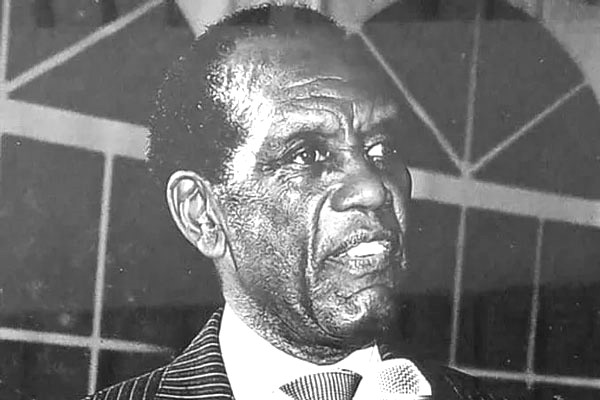
Gideon B. Nkojo became Governor in 1979, taking over during a period of extraordinary instability.
His tenure lasted roughly a year and a half. Before his appointment, Nkojo had worked with the World Bank in Washington, D.C. He subsequently returned to the World Bank after leaving the governorship.
His time at the Bank was therefore brief, but it came during a critical transition following the fall of the Amin regime.
The Bank’s own historical records place Nkojo’s tenure between the short governorships of Kikonyogo and the longer leadership of Leo Kibirango.
Leo Kibirango: Steering the Bank through reconstruction, 1981–1986
Leo Kibirango became Governor in the early 1980s after serving as Deputy Governor.
His tenure coincided with another turbulent chapter in Uganda’s economic history, including the return to political instability and the severe economic distortions that characterised the early 1980s.
Kibirango remained at the helm until 1986, when the National Resistance Movement took power.
His tenure belongs to the period in which Uganda’s monetary authorities faced the difficult task of operating a central bank amid shortages of foreign exchange, currency instability and a deeply weakened economy.
The Bank’s historical records identify Kibirango as Governor from 1981 to 1986.
Dr Suleiman Kiggundu: The economist behind the first major reform push, 1986–1990
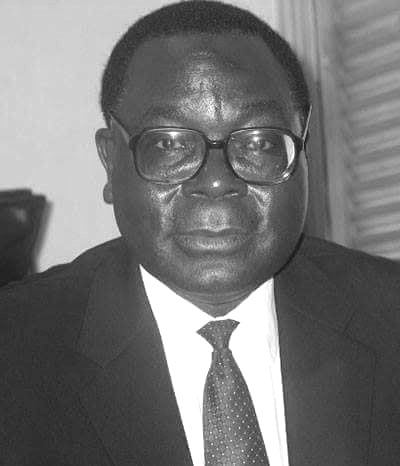
Dr Suleiman Kiggundu became Governor in November 1986, shortly after the NRM government came to power.
An economist and academic, Kiggundu had lectured in economics at Makerere University and in the United States before taking over at the central bank.
His tenure became particularly important because Uganda was moving away from the economic controls and distortions of the previous years.
The economy was suffering from extremely high inflation. Contemporary accounts indicate that between May 1986 and May 1987, inflation rose from about 120 percent to 240 percent. Kiggundu subsequently became central to the implementation of the government’s economic reforms, including the 1987 currency reform and Structural Adjustment Programmes supported by the IMF and World Bank.
Kiggundu left the governorship in 1990 and later entered commercial banking, becoming associated with Greenland Bank.
His later career became controversial after Greenland Bank was closed by the central bank in 1999 and placed under liquidation.
Nevertheless, his four years as Governor remain significant in the history of Uganda’s transition from economic crisis towards liberalisation.
Charles Kikonyogo returns: Consolidating the 1990s reforms, 1990–2000
Kikonyogo’s return in 1990 began the longest period of leadership the Bank had experienced since its founding, before Mutebile’s eventual record tenure.
The 1990s were a defining decade for Uganda’s financial sector.
The country was moving towards liberalisation, while the central bank was gaining stronger powers over commercial banks and monetary policy. The Bank of Uganda Statute of 1993 gave the institution greater autonomy in monetary policy management, while the Financial Institutions Statute strengthened its supervisory role.
Kikonyogo therefore presided over the institutional transformation of a central bank that was increasingly moving from crisis management towards modern financial-sector regulation.
He retired in 2000, ending two separate chapters at the Bank of Uganda.
Prof Emmanuel Tumusiime-Mutebile: The architect of modern Uganda’s economic reforms, 2001–2022
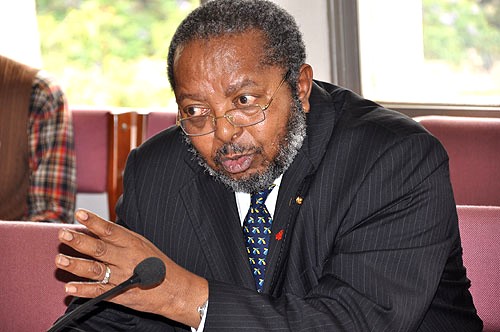
If Mubiru was the founding father of the Bank, Prof Emmanuel Tumusiime-Mutebile became its most consequential modern-era governor.
Mutebile took office on January 1, 2001, after previously serving as Permanent Secretary and Secretary to the Treasury in the Ministry of Finance, Planning and Economic Development.
An economist by training, Mutebile had already played a central role in Uganda’s economic reform programme before becoming Governor.
The Bank’s own memorial tribute describes him as a seasoned economist and reformer who spearheaded the design and implementation of the Economic Reform Programme that helped restore Uganda from the economic crises of the 1970s and 1980s to stronger economic performance.
His 21-year tenure transformed him into one of the most recognisable figures in Uganda’s economic management.
Under Mutebile, the central bank navigated periods of strong economic growth, inflationary pressures, global financial turbulence and major changes in Uganda’s financial system.
He was repeatedly reappointed and remained Governor until his death in January 2022. Makerere University described his 21 years as Governor as instrumental to Uganda’s economic transformation.
His death created an unusual leadership vacuum at the institution, as Uganda went without a substantive Governor for several years.
Michael Atingi-Ego: The technocrat leading BoU into its seventh decade
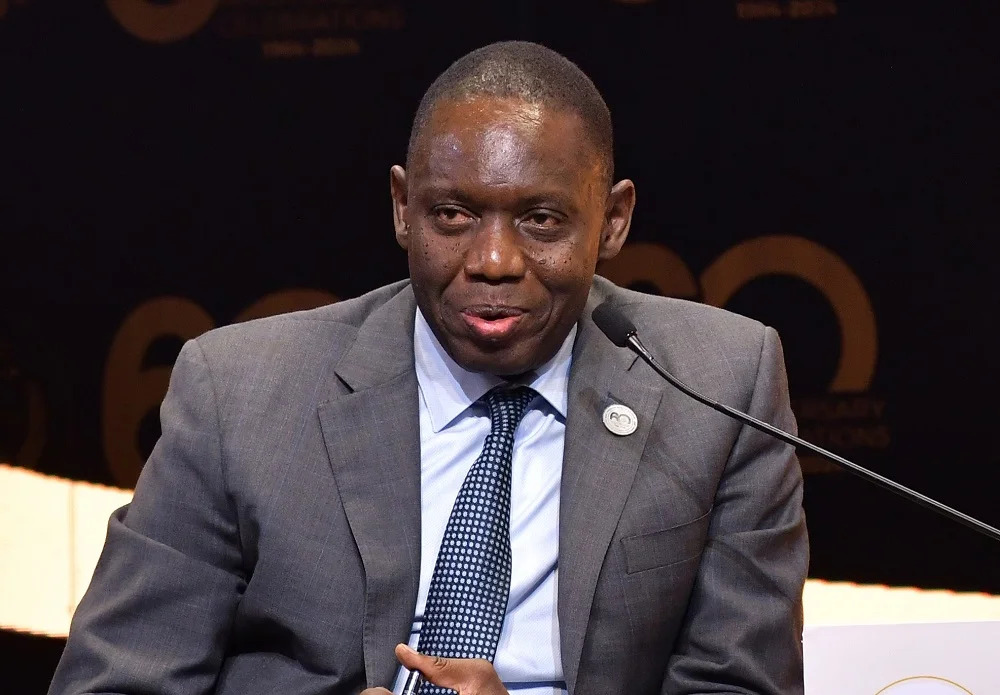
Dr Michael Atingi-Ego represents the latest generation of Bank of Uganda leadership.
He had already spent much of his professional career in monetary and financial policy before reaching the top job. He worked at the Bank of Uganda, rose to become Executive Director of Research, served as Deputy Director in the IMF’s African Department and later became Executive Director of the Macroeconomic and Financial Management Institute of Eastern and Southern Africa (MEFMI).
Atingi-Ego returned to the Bank as Deputy Governor in 2020.
Following Mutebile’s death in January 2022, he became the central figure in the Bank’s executive leadership during the period without a substantive Governor.
On February 10, 2025, President Yoweri Museveni appointed Atingi-Ego Governor of the Bank of Uganda, ending the prolonged vacancy.
His leadership comes at a different moment from that faced by his predecessors.
The central bank is now dealing not only with inflation, exchange-rate pressures and financial-sector stability, but also with digital finance, financial inclusion, payment-system modernisation and increasingly sophisticated risks within the financial system.
Six decades, 11 Governors and one evolving institution
The history of the Bank of Uganda is therefore more than a list of appointments. Across six decades, the Bank itself has evolved considerably.
When it opened in 1966, its central tasks centred on issuing legal tender, managing external reserves and safeguarding the value of Uganda’s currency. Today, its responsibilities include monetary policy, financial-sector supervision, currency issuance, foreign-reserve management and oversight of safe and efficient national payment systems.
The institution has also survived periods when Uganda itself was under extraordinary political and economic pressure.
Its 60th anniversary therefore offers an opportunity not only to celebrate the Bank of Uganda, but also to examine the succession of economists, bankers, technocrats and public servants whose decisions helped shape Uganda’s monetary history.
From Joseph Mubiru’s first day at Liverpool House in 1966 to Atingi-Ego’s stewardship in the digital financial age, the story of the Bank of Uganda is, in many respects, a condensed history of Uganda’s economic transformation.