

Uganda is seeking to expand manufacturing and value addition as part of its strategy to transform the economy into a USD 500 billion economy, with the sector expected to play a central role in reducing imports, creating jobs and increasing export earnings.
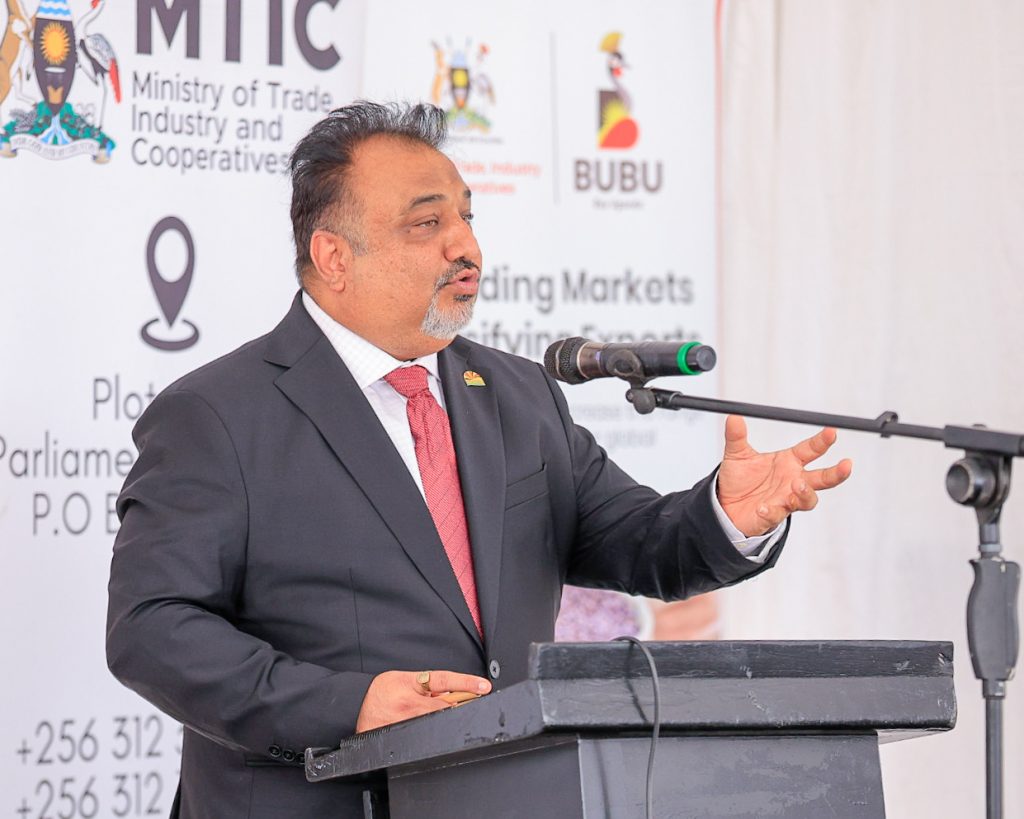
Speaking during a breakfast engagement with the media, government officials said the manufacturing sector must move beyond the export of raw materials and instead increase local processing and production of goods for both domestic and international markets.
At the centre of the strategy is value addition to Uganda’s raw materials, which officials say can help reduce the country’s import bill while creating new industrial opportunities.
One of the areas identified is the steel industry.
Uganda currently imports about USD 1 billion worth of steel and steel products, while approximately USD 490 million of that amount is spent on raw materials used to produce steel locally.
Officials said Uganda has an estimated 312 million tonnes of iron ore deposits, presenting an opportunity to develop a stronger domestic steel industry and reduce dependence on imported products.
The government says the broader objective is to use locally available resources to produce finished and semi-finished goods within the country rather than exporting raw materials and importing manufactured products.
Import substitution
The manufacturing sector has already made progress in replacing some imported goods with locally produced alternatives.
Products that were previously imported in large quantities include industrial sugar, cement, bread, cooking oil, televisions, furniture, mattresses, clothing and plastics.
The expansion of local production of such products, officials said, helps retain foreign exchange within the economy while creating employment opportunities.
The government now intends to deepen this approach by supporting industries capable of producing goods that can compete in domestic, regional and international markets.
Industrial parks and infrastructure
Industrial infrastructure is expected to be another major component of the strategy.
Government plans to establish 22 industrial parks, with 13 already established through public-private partnerships.
The focus going forward will be on developing more fully serviced, “plug-and-play” industrial parks that provide investors with infrastructure needed to establish and expand manufacturing operations.
Such facilities are expected to lower some of the costs associated with setting up factories while encouraging greater investment in productive sectors.
PDM and value addition
The government also plans to link manufacturing development to the Parish Development Model (PDM) by increasing production and developing value chains around products produced by households and communities.
Officials cited the egg industry as one area where greater production and value addition could support the programme.
The approach is intended to connect increased agricultural production with processing, manufacturing and markets, creating opportunities across the value chain rather than limiting economic activity to primary production.
Standards and access to finance
Government also identified standards and quality infrastructure as critical to the country’s industrial ambitions.
Manufacturers will be expected to produce goods that meet required standards, enabling locally manufactured products to compete both in Uganda and international markets.
At the same time, officials said reducing the cost of capital remains important if manufacturers are to expand production.
The government plans to promote access to affordable financing through the Uganda Development Bank (UDB) and other financing mechanisms aimed at supporting productive investment.
The strategy also places emphasis on creating an enabling environment for investors through peace and security, effective enforcement of standards and policies that encourage investment.
Taken together, the measures are intended to strengthen Uganda’s industrial base, increase domestic production and move the economy towards higher-value manufacturing.
The USD 500 billion target therefore places manufacturing at the centre of a broader push to shift Uganda from dependence on raw commodity exports and imported manufactured goods toward a more value-added, production-driven economy.