
Uganda and the World Bank have stepped up preparations for the second phase of the Uganda Intergovernmental Fiscal Transfers (UgIFT 2.0) programme, with government calling for the speedy completion of key safeguards and financing arrangements ahead of the 2027/28 national budget.
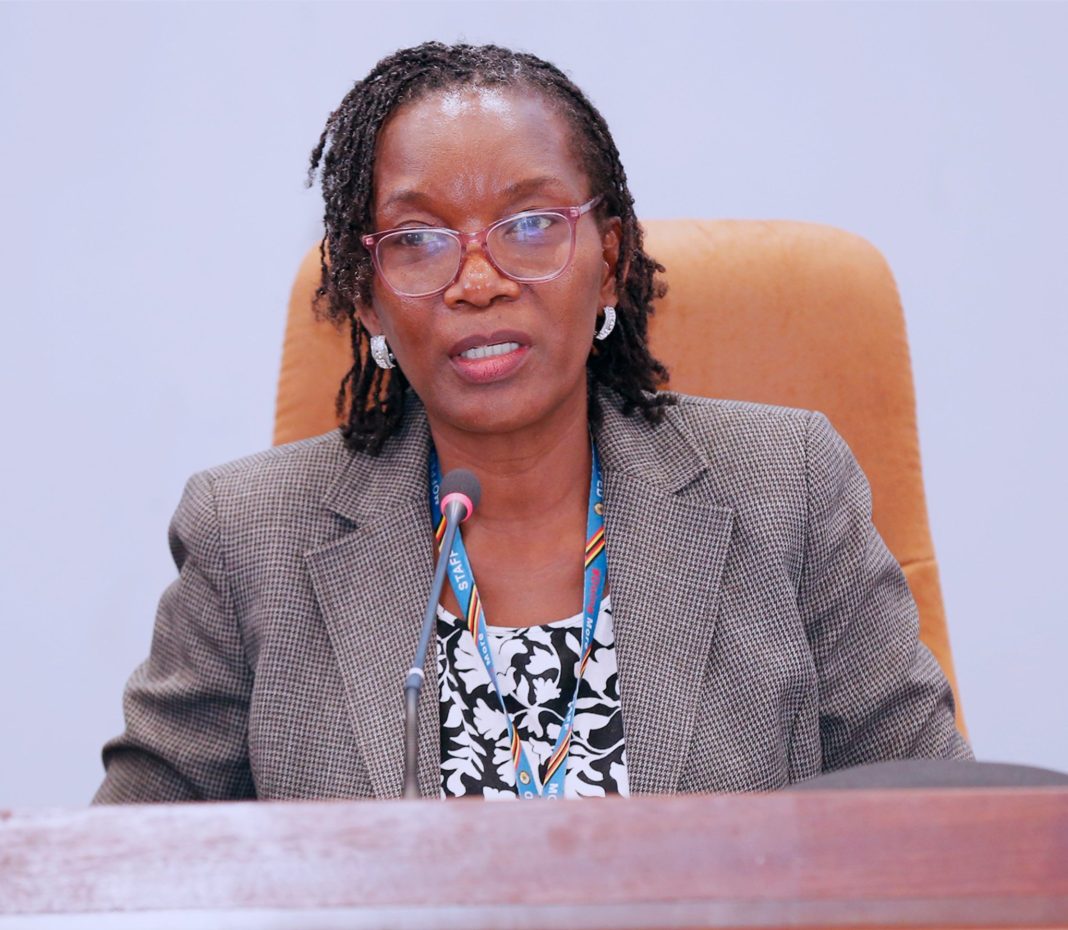
The Acting Director of Debt and Cash Policy, Maris Wanyera, speaking on behalf of the Acting Permanent Secretary and Secretary to the Treasury (PSST), Patrick Ocailap, said technical teams must prioritise the finalisation of the programme’s results framework, disbursement-linked indicators, fiduciary management systems and institutional arrangements.
She said the design should also incorporate environmental and social safeguards while ensuring that the targets are measurable, achievable and informed by lessons from the first UgIFT programme.
“It is important that the design and approval processes are finalized in time to ensure the program is reflected in the National Budget for FY 2027/28,” Wanyera said.
Government has already secured $200 million in initial financing from the World Bank, she said, urging the technical teams to conclude the overall programme costing and ensure available resources are directed towards reforms and investments likely to deliver the greatest impact.
Nine-year programme
The World Bank said UgIFT 2.0 will be implemented through a nine-year multiphase programme comprising three phases.
Barbara Magezi, a Senior Public Sector Specialist at the World Bank, said the approach was agreed upon during a recent mission and will focus on strengthening the delivery and accountability of public resources at the local government level.
The programme will cover education, health, water and environment, agriculture, particularly micro-irrigation, as well as local economic development and jobs.
Magezi said the programme’s development objective is to improve the deployment, management and accountability of public resources in order to enhance service delivery by local governments.
The initiative comes as local governments continue to face constraints that affect their ability to translate public spending into better services.
Magezi identified inadequate staffing, absenteeism, weak performance, inadequate infrastructure and limited financing among the challenges that the programme will seek to address.
Stronger project ownership
The Ministry of Finance also stressed the need for stronger ownership and accountability among government institutions implementing projects under the programme.
The Acting Director of Budget, Hannington Ashaba, said there must be clear standard operating procedures governing project ownership, with implementing ministries, departments and agencies (MDAs) required to secure the necessary approvals before projects are undertaken.
He said projects should be approved at the highest level of the responsible ministry, reinforcing accountability for their implementation and results.
The emphasis on project ownership comes as government seeks to ensure that financing under UgIFT 2.0 is tied to clearly defined outcomes rather than simply increasing allocations to local governments.
With the first $200 million already secured, the immediate task is now to complete the programme’s design, financing framework and approval processes in time for inclusion in Uganda’s FY2027/28 budget.
Why it matters
UgIFT was established to strengthen intergovernmental fiscal transfers and improve local government service delivery. The second phase is being designed with a broader, longer-term approach that links financing to measurable reforms and results across critical social and economic sectors.
The nine-year structure also gives government and the World Bank a longer horizon to address persistent weaknesses in staffing, infrastructure, financing and public resource management at the local level.